

Why Does Capping-Machine Matter When Choosing a Cap Compression Molding Machine?

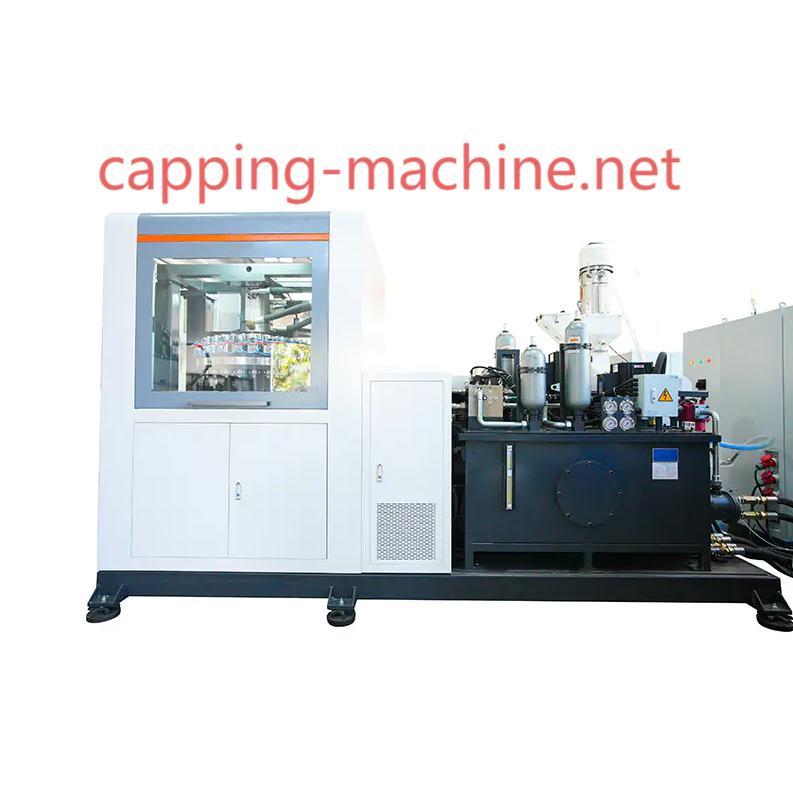
Packaging manufacturers need production equipment that connects product design with practical factory operations. A Cap Compression Molding Machine provides a molding approach for shaping plastic closures through controlled heat and pressure, helping manufacturers address requirements for appearance, dimensions, and functional performance. Capping-Machine offers machinery solutions for businesses seeking to refine their manufacturing processes, improve workflow organization, and accommodate different closure specifications without losing sight of everyday production demands.
The compression molding process begins with preparing plastic material and placing it into a designated mold area. Heat softens the material, while controlled pressure encourages it to fill the mold cavity and take the intended shape. After the molding stage, the closure undergoes cooling and removal before moving toward inspection or subsequent handling. Coordinating these operations helps manufacturers establish a repeatable process that supports consistent product characteristics.
Product design plays an important role in equipment planning. Closures may differ in shape, thread configuration, wall structure, sealing requirements, and surface appearance. Each feature can influence mold design and processing conditions. Manufacturers should therefore evaluate their existing product range before selecting equipment, paying attention to the relationship between closure geometry, material behavior, and mold configuration. This preparation helps create a more suitable foundation for production planning.
Another consideration is the relationship between machinery and material efficiency. Appropriate material preparation and stable processing conditions can help reduce avoidable molding defects. When the amount of material, temperature, and applied pressure are properly coordinated, manufacturers can work toward consistent closure formation while limiting unnecessary material waste. Regular product inspection also helps operators identify changes in appearance or dimensions and make adjustments before issues spread throughout the production process.
Automation can bring additional structure to daily manufacturing activities. Integrated material feeding, molding, transfer, and product discharge functions can reduce unnecessary handling and create a more coordinated production sequence. This arrangement allows operators to focus on process supervision, equipment condition, and finished-product quality. The actual level of automation should reflect factory layout, labor arrangements, product variety, and the connection between molding equipment and other packaging operations.
Equipment flexibility is equally important for businesses serving different customers or packaging markets. Product specifications may change as container designs evolve or new applications emerge. A production system that supports suitable mold changes and manageable adjustments can help manufacturers respond to these developments. Before purchasing equipment, businesses should discuss mold compatibility, material requirements, operating procedures, and potential customization with the supplier.
Maintenance planning also influences long-term equipment performance. Accessible components, clear operating instructions, and straightforward cleaning procedures can make routine servicing easier to organize. Preventive inspections help identify wear or operating irregularities before they interrupt production. Training operators to recognize process changes and follow consistent procedures further supports safe operation and dependable manufacturing practices.
Beyond the molding process itself, manufacturers should examine how finished closures move through inspection, storage, and packaging. Product consistency can simplify downstream handling, while a well-organized production layout can reduce unnecessary movement between work areas. Considering these connections during equipment selection helps businesses evaluate the complete manufacturing process instead of focusing on an individual machine in isolation.
A thoughtful investment begins with understanding the production challenges that matter to your factory. Whether your priority involves accommodating new closure designs, organizing material handling, or coordinating equipment with an existing production line, a clear assessment of your requirements can guide a more informed decision. Machinery should support the way your business operates today while leaving practical room for future adjustments.
Give your next packaging project a fresh starting point. Visit https://www.capping-machine.net/product/ to review available equipment solutions and consider how a different molding approach could fit your production plans. Bring your closure requirements into focus, investigate the possibilities, and take the next step toward shaping a production process built around your needs.


