

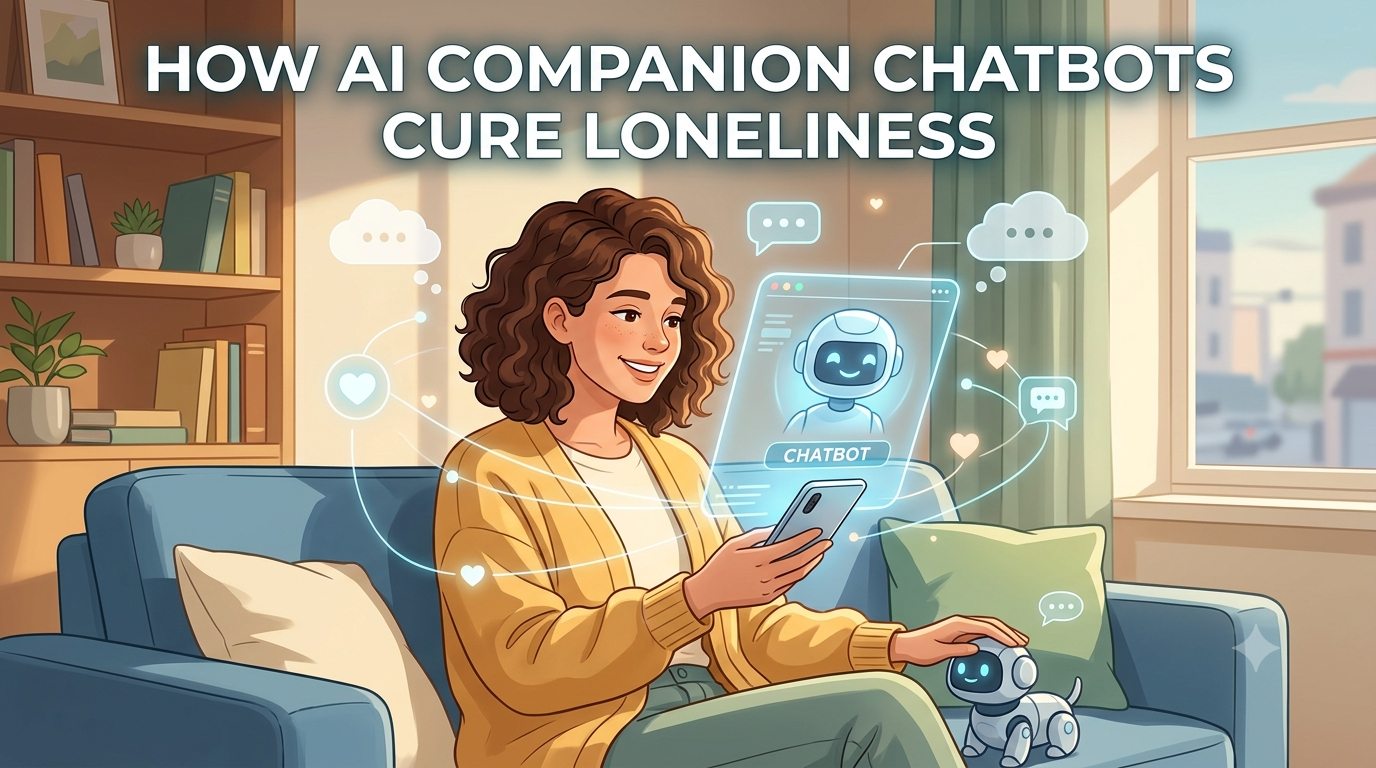

Loneliness has become a growing concern for people of different ages, affecting friendships, relationships, and everyday emotional well-being. Although digital communication keeps people connected, many still struggle to find someone who listens without judgment. AI companions are emerging as a new option for people seeking conversation, emotional reassurance, and a sense of connection. These digital partners cannot replace genuine human relationships, but they may offer comfort during difficult moments. This article examines whether AI companions help cure the loneliness epidemic and how they fit into modern social life.
This article covers the benefits of AI companionship, its emotional limitations, privacy concerns, responsible use, and its potential role in reducing social isolation.
Why Loneliness Has Become a Growing Concern
Loneliness is not simply about spending time alone. It often develops when people feel that their relationships lack closeness, trust, or meaningful communication. Someone may have hundreds of social media contacts and still feel disconnected from others.
Modern routines can make this problem harder to address. Remote work, busy schedules, relocation, financial pressure, and social anxiety may limit opportunities for face-to-face interaction. Similarly, people who have experienced rejection or difficult relationships might hesitate to open up to someone new.
For some individuals, the pressure to appear successful and happy online creates another barrier. They may hesitate to share their worries because they fear criticism or feel that their problems are not important enough.
This is where AI companionship enters the conversation. A digital companion can offer an accessible space for conversation, allowing people to express thoughts, discuss their day, or enjoy a fictional interaction whenever they need company.
How AI Companions Can Offer Emotional Support
AI companions use conversational technology to respond to messages, maintain a discussion, and adapt their communication to a user's preferences. Depending on the service, conversations may focus on friendship, entertainment, personal interests, romance, or everyday emotional support.
One reason these tools appeal to people is their availability. A friend might be working, sleeping, or dealing with personal responsibilities, whereas an AI companion can often respond whenever the service is accessible.
AI companions help cure the loneliness people experience in certain situations by providing a consistent opportunity to communicate. Although this support has limitations, it may make difficult evenings feel less isolating.
Some potential benefits include:
-
A space for self-expression: Users can discuss personal concerns without worrying about immediately disappointing or burdening another person.
-
Regular conversation: Everyday chats can provide a familiar routine for people who spend long periods alone.
-
Social confidence: Practising conversations with an AI may help some users organize their thoughts before speaking with friends, family members, or colleagues.
-
Personalized interaction: Certain services allow users to select a companion's personality, conversational style, and interests.
-
Entertainment and relaxation: Lighthearted conversations and creative roleplay may offer a pleasant break from daily stress.
However, these benefits depend on the individual and the way the technology is used. A conversation that feels comforting to one person may feel artificial or unsatisfying to another.
Can AI Companions Reduce Loneliness in Everyday Life?
AI companions reduce loneliness most effectively when they complement a person's existing social life rather than replace it. A short conversation after a stressful day may help someone feel calmer, while regular interaction can provide a familiar activity during periods of isolation.
For example, a person who has recently moved to a new city might use an AI companion to talk about the challenges of adjusting to a different environment. Someone who feels nervous about social situations could practise introducing themselves, discussing shared interests, or preparing for a difficult conversation.
Similarly, older adults who spend much of their time alone may appreciate accessible digital conversation, provided they can use the technology comfortably and retain opportunities for meaningful human contact.
Still, the distinction between temporary comfort and lasting connection matters. Human relationships involve mutual care, shared experiences, personal responsibility, and independent feelings. AI systems generate responses based on their design and available context; they do not experience friendship in the same way people do.
Consequently, digital companionship should be viewed as one possible source of support, not a guaranteed solution to loneliness.
Personalized AI Experiences and Digital Companionship
Personalization is another reason AI companions attract attention. Many services allow users to shape the personality, tone, interests, and appearance of a digital character. These choices can make conversations feel more relevant to individual preferences.
For adults interested in romantic or fictional interactions, some platforms also offer customized characters and creative visual content. Someone looking to create AI girlfriend free may value the ability to select a character's personality and develop an ongoing fictional relationship through conversation.
Secrets AI is one platform associated with personalized AI companion experiences. Services in this category can provide entertainment and opportunities for imaginative interaction, although their quality, privacy practices, and available features vary.
The important consideration is whether the experience supports a healthy routine. Personalization can make a digital interaction enjoyable, but it should not create pressure to withdraw from friends, avoid social activities, or treat an artificial relationship as the only reliable source of affection.
The Limitations of Depending on AI for Companionship
Despite their potential benefits, AI companions cannot meet every emotional need. A chatbot may respond sympathetically when someone feels upset, but it cannot provide the full experience of a trusted friend sitting beside them, offering a hug, or helping with a real-life problem.
There are several limitations worth considering:
-
Limited emotional understanding: AI can recognize patterns in language but may misinterpret sarcasm, distress, or complicated personal circumstances.
-
One-sided relationships: The interaction is designed around the user's experience rather than the mutual needs found in human friendships.
-
Dependence on digital interaction: Excessive use may reduce the time available for family, friends, hobbies, and community activities.
-
Unrealistic expectations: A companion that is always agreeable may make ordinary human disagreements feel more difficult to manage.
-
Privacy concerns: Conversations can contain sensitive details, making data storage, account security, and platform policies important considerations.
In particular, people experiencing persistent loneliness may benefit from combining digital conversation with practical steps toward human connection. Joining a local group, contacting an old friend, volunteering, or seeking professional support can address needs that an AI companion cannot fulfill.
Privacy and Responsible Use Matter
Personal conversations often reveal information about relationships, insecurities, routines, and private experiences. Before using an AI companion, users should check how the service stores messages, whether conversations may be reviewed or used to improve its systems, and what controls are available for deleting information.
Adults using romantic or mature AI services should also check age requirements, content policies, subscription terms, and account security options. An AI sex video generator, for example, belongs to a different category of digital experience from a conversational companion, so its privacy and consent considerations may differ.
Regardless of the product, real people's images or identities should never be used to create intimate content without their consent.
Responsible use also means setting personal boundaries. Users can schedule time away from screens, avoid sharing identifying details unnecessarily, and pay attention to whether digital interactions leave them feeling better or more isolated.
Secrets AI and other companion services should be evaluated according to their actual features and published privacy policies rather than assumptions about how secure or emotionally supportive they are.
Practical Ways to Combine AI Companionship With Human Connection
AI companions are more likely to be useful when they support everyday activities that bring people closer to others.
A balanced approach can involve a few simple habits:
-
Use AI conversations as a starting point for organizing thoughts before discussing concerns with a trusted person.
-
Set aside regular time for calls, in-person meetings, or shared activities with friends and family.
-
Participate in communities connected to hobbies, professional interests, sports, or volunteering.
-
Monitor screen time and notice whether AI interactions are interfering with sleep, work, or relationships.
-
Seek help from a qualified mental health professional when loneliness becomes persistent or significantly affects daily life.
Likewise, family members and communities can help by creating welcoming spaces where people feel comfortable talking openly. Technology may offer an additional point of connection, but meaningful social support also depends on accessible community activities, inclusive environments, and a willingness to listen.
Conclusion
AI companions help cure the loneliness epidemic only in a limited sense: they may offer conversation, comfort, and routine, but they cannot independently resolve the social conditions that leave people feeling disconnected.
Their greatest value lies in providing an additional source of interaction while encouraging people to maintain and build human relationships. Used thoughtfully, these tools can offer companionship during quiet moments, support creative expression, and help some individuals practise communication.


