

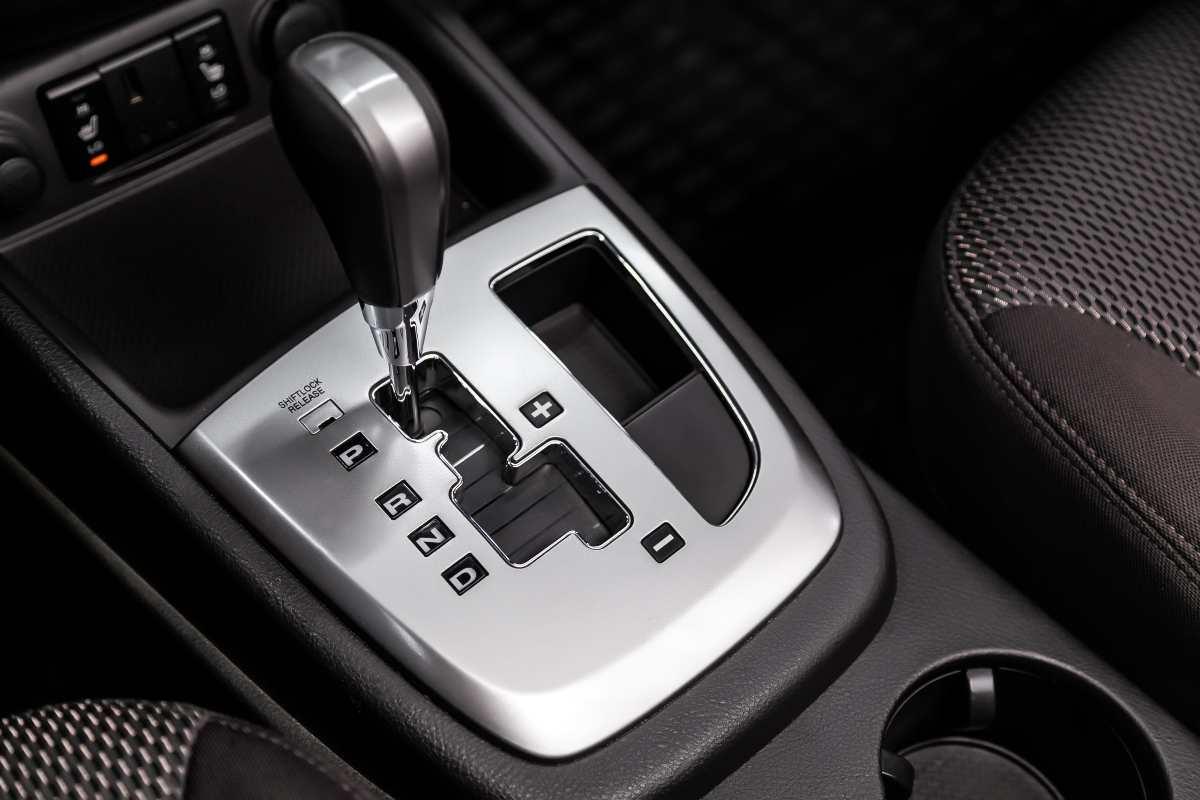

In an automatic transmission, shifting can be smooth at the start of the drive but then may jerk, bang, or hesitate as the vehicle warms up. A hard-shifting transmission is not necessarily indicative of the need to replace the gearbox. It should be studied before further erosion. One diagnostic clue is temperature.
Why Does an Automatic Transmission Shift Hard When Hot?
The quick fix: Rough shifting under hot conditions may be caused by low, worn-out, or improper automatic transmission fluid (ATF), overheating, faulty shift solenoids, valve body wear and tear, faulty sensor inputs, or internal clutch issues. The viscosity of fluid decreases as it heats up. The design of a healthy transmission is to operate with such change, although current hydraulic leaks, deteriorated components, or fluid issues may manifest themselves more at operating temperature. Diagnosis involves checking fluid, temperature, fault codes, and shift behavior.
Common Causes of Rough Shifting After the Transmission Warms Up
Below are the common causes of rough shifting after the transmission warms up:
1. Low or Incorrect Transmission Fluid
Automatic transmission fluid lubricates, cools, and transmits hydraulic pressure. Low fluid level can lead to irregular pressure, which adds to delayed engagement, slipping, or sudden gear shifts.
The wrong ATF may also cause changes in clutch friction behavior and shift quality. Other fluids might be needed in older automatics, CVTs, and dual-clutch units. Never select a fluid based on its color or brand name, or make a judgment based on color.
2. Old or Degraded Automatic Transmission Fluid
Transmission fluid experiences repeated heating and cooling. In the long run, harsh use, contamination, and oxidation may diminish its ability to function as expected. Dark fluid or a burnt smell is a cause for concern but does not confirm the condition.
Fluid condition should be considered if the problem started after an overdue service interval. When the degraded fluid is the problem, fresh, properly specified fluid can help improve the shifting problem. It is not able to repair damaged parts.
3. Excessive Transmission Heat
Heat is part of normal transmission operation; overheating is not. Towing, traffic, heavy loads, or faulty cooling systems can cause excessive temperatures.
High temperatures may accelerate fluid degradation and reveal fringe hydraulic or electrical devices. When the transmission-temperature signal is emitted, especially with the presence of slipping or loss of drive, it should be given immediate consideration. Do not assume that the vehicle will cool down as you drive on; follow the vehicle manufacturer’s instructions by following the warning lights.
4. Sticking Shift Solenoids
Electrically controlled solenoids are used to control fluid flow and shift timing in most automatic transmissions. A sticking solenoid with inconsistent or faulty response, or a solenoid with an electrical fault, can result in hard upshifts, slow downshifts, or instant engagement.
Certain defects will be noticed after the assembly has heated up. But symptoms are not able to demonstrate that a solenoid is faulty. A technician might require codes, live data, and targeted tests.
5. Worn Valve Body or Internal Pressure Leaks
Gear engagement is controlled by passages that direct pressurized ATF to the valve body. Valve wear or bore wear may interfere with hydraulic pressure, resulting in rough shifts, stalling, or a momentary increase in engine speed between gears.
The leakage rate through clearances may increase as the warm fluid gets less viscous. Some valve-body faults can be repaired without replacing the transmission.
6. Sensors, Software, or Internal Wear
Modern automatics use information such as vehicle speed, engine load, and transmission temperature to determine when and how to shift. Faulty sensor readings, wiring malfunctions, or control-system issues can cause abnormal shifting behavior. Specific shift complaints are sometimes addressed through manufacturer software updates.
Alternatively, older friction clutches, seals, or other internal parts might not hold or apply properly after being heated. These may be faults that require extensive repairs.
Signs That a Hard Shifting Transmission Needs Attention
A motorist might feel a thump as they move out of Park into Drive, a jerk as they accelerate, a rough downshift as they decelerate, or a lag in movement after making a selection.
Additional indicators of trouble include an increase in engine RPM with no corresponding increase in road speed, shuddering while cruising, abnormal noise, a burning odor, or a lit transmission or check engine indicator.
Note whether the symptoms occur after a long drive, in traffic, or on hills. Such information aids in making the diagnosis.
What Should You Do When Your Transmission Shifts Roughly When Hot?
Here is what you should do when your transmission shifts roughly when hot:
Check Fluid Correctly, Not Guesswork
Begin with the owner’s manual. There are those vehicles that have a transmission dipstick, and there are those that have a temperature-sensitive level-check procedure that requires special equipment. Avoid opening hot transmission components.
Check the level, condition, and any apparent leaks. Underfilling and overfilling may cause issues. When a service is required, only the ATF for the specific vehicle and transmission should be used.
As an example, Atlantic Oil Store lists Atlantic ATF Dexron III 1L for use when Dexron III, Dexron II E, or a specified Ford Mercon-type fluid is required. Its product page specifically cautions against its use where Dexron VI, Mercon V, Mercon SP, or LV fluid is needed. It is not a cure-all; it is only a maintenance option when the vehicle’s required specification is the same, and it is not a solution to all complaints of hot-shifting.
Arrange a Professional Diagnostic Inspection
If the level and type of fluid are correct, ask a trained transmission technician to scan stored trouble codes and live data while the problem occurs. Good checks can include transmission temperature, commanded and actual gear, solenoid operation, and hydraulic pressure at the points where the manufacturer has given a test procedure.
Codes are not diagnoses but hints; no code excludes trouble. Replacement of solenoids, sensors, or the entire valve body should not be done on mere speculation.
Know When to Stop Driving
If the transmission is slipping severely, the vehicle is losing momentum, the temperature gauge remains on, or you can see smoke or a burning odor, pull over safely and follow the manufacturer’s instructions. Prepare for repair in case the car is not safe to drive.
Milder recurrent symptoms should be promptly checked.
Can Changing Transmission Fluid Fix Hard Shifting?
Sometimes. A fluid service can be useful if the underlying cause is an incorrect level, poor-quality ATF, or contamination, which can be resolved by performing approved maintenance. However, a broken pump, broken internal seals, worn clutch packs, or faulty electronics cannot be fixed with new fluid.
Before approving a flush or fluid exchange, inquire whether the procedure is recommended for your transmission and its current condition.
Conclusion
A hard-shifting transmission that worsens when hot can be caused by fluid issues, overheating, hydraulic wear, electrical faults, or internal damage. Temperature is a useful diagnostic hint, but is not a diagnosis in itself.
The initial step is the correct specification of the fluid and an appropriate inspection; then research into pressure and electronic controls should be conducted if symptoms persist. Initial research will minimize unwarranted repairs and additional damage.


