


Planning a Biomass Retrofit Project
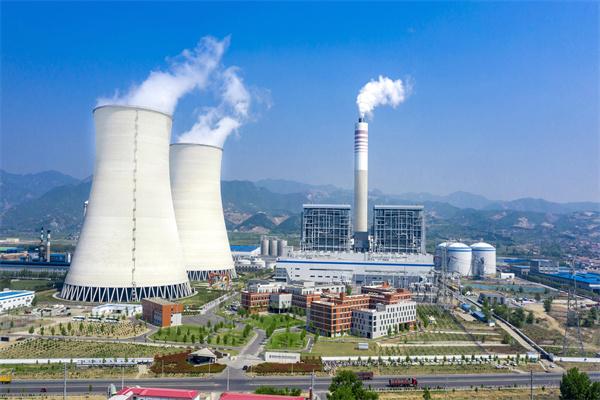
Modernizing a biomass power station starts with understanding how its existing equipment performs and where improvements can be introduced. Sustainable compact biomass station retrofits allow plant owners to upgrade selected systems while making effective use of the current facility. A well-prepared project considers available space, fuel characteristics, generation requirements, and equipment compatibility before installation work begins.
Reviewing Existing Equipment
A technical inspection helps engineers understand the condition and operating requirements of a biomass station. The review may cover boilers, fuel conveyors, storage equipment, steam piping, pumps, electrical installations, and automation systems. Operating records also provide useful information about output, fuel consumption, and maintenance schedules. Together, these details help determine which upgrades best match the plant's objectives.
Making Compact Stations Work Efficiently
Space planning is particularly important for compact biomass facilities. Equipment must be arranged to support fuel movement, operator access, inspection, and routine servicing. Engineers examine the relationship between the boiler, fuel preparation area, conveyors, and auxiliary machinery when developing an updated layout. Practical arrangements can simplify daily activities while allowing the existing plant infrastructure to remain part of the overall design.
Improving Biomass Fuel Management
Biomass fuel can come from wood residues, agricultural materials, and other suitable organic sources. Each fuel type has its own moisture content, particle size, and energy characteristics. A reliable preparation and feeding process helps deliver fuel consistently to the combustion system. Engineers can evaluate storage conditions, conveyors, screening equipment, and feeding mechanisms to establish a process that suits the selected fuel.
Updating Combustion Equipment
Combustion performance influences the amount of useful heat produced from biomass fuel. During a retrofit, engineers may review air distribution, fuel delivery, temperature measurement, and combustion control equipment. Appropriate adjustments depend on the boiler design and operating requirements. When these components work together correctly, operators can manage combustion conditions more consistently and maintain suitable steam production for electricity generation.
Integrating Heat Recovery Systems
Heat recovery can be an important consideration when reviewing the performance of an existing biomass station. Engineers examine how heat moves through the boiler and associated systems, including exhaust gas pathways and water circulation. Suitable improvements may involve heat exchange components, insulation, or updated measurement instruments. The chosen design should fit the plant's operating conditions and integrate properly with existing equipment.
Implementing High-Efficiency Biomass Retrofits
A complete modernization plan often combines several improvements rather than focusing on one machine. High-efficiency biomass retrofits may include upgraded combustion controls, boiler enhancements, heat recovery equipment, and improved instrumentation. Engineering teams evaluate how each measure affects the overall plant before finalizing specifications. Coordinating these upgrades helps align equipment performance with fuel availability, electricity demand, and the facility's long-term operating targets.
Using Monitoring Technology
Modern monitoring equipment gives operators a clearer picture of plant conditions. Sensors can record temperatures, pressures, steam flow, and other important operating measurements. These readings help personnel compare actual performance with expected operating ranges. Organized data records also support maintenance planning and technical reviews, allowing the plant team to make decisions based on observed conditions rather than relying solely on routine assumptions.
Organizing Installation and Commissioning
A retrofit project requires coordination among engineering, construction, equipment supply, and plant operations teams. Before work begins, the project schedule should identify installation stages, equipment requirements, inspection procedures, and responsibilities. Following installation, commissioning checks verify that components function correctly and connected systems operate together. Clear documentation provides operators with the information needed to manage the updated plant and its equipment.
Advanced Biomass Boiler Retrofits
Boiler modernization requires careful consideration of fuel properties, steam requirements, combustion conditions, and the dimensions of the existing installation. Advanced biomass boiler retrofits can include updated combustion equipment, improved heat transfer components, modern control instruments, and better integration with fuel feeding systems. Engineers assess these elements together to develop a suitable technical design. Proper installation and commissioning help confirm that the upgraded boiler works with the station's wider generation systems.
Frequently Asked Questions
What does a biomass station retrofit involve?
It involves updating selected equipment or systems within an existing biomass power station to meet operational goals and incorporate suitable modern technologies.
Which components can be included in a retrofit?
Common components include boilers, fuel preparation equipment, conveyors, combustion controls, heat recovery systems, sensors, and automation equipment.
How long does a biomass retrofit project take?
The schedule depends on project scope, equipment availability, installation requirements, and commissioning activities. A detailed project plan helps establish realistic stages and milestones.
Why is operator training important after modernization?
Training helps staff understand updated equipment, follow revised operating procedures, interpret monitoring information, and perform routine inspections correctly.
Conclusion
Biomass station retrofits provide a structured way to improve existing power generation facilities through targeted engineering upgrades. Better fuel handling, coordinated combustion systems, improved heat recovery, and reliable monitoring can support effective plant operation. By assessing equipment carefully and planning installation and commissioning thoroughly, plant owners can develop modernization projects that meet their technical needs and support dependable electricity production over time.


