

Ice Addiction Treatment Center in Islamabad: Understanding Treatment and Recovery
Ice, commonly known as crystal methamphetamine, is a powerful stimulant that can affect a person's physical health, mental well-being, relationships, and everyday responsibilities. Repeated use may lead to dependence, intense cravings, sleep problems, anxiety, and difficulties with concentration or decision-making. When substance use becomes difficult to control, professional support can help individuals understand their options and begin working toward recovery.
Finding a suitable ice addiction treatment center in Islamabad can be an important step for individuals and families affected by methamphetamine use. Treatment can provide structured support, help address related mental health concerns, and develop practical strategies for maintaining recovery.
What Is Ice Addiction and Why Can It Be Difficult to Stop?
Crystal methamphetamine affects the central nervous system and can produce increased energy, alertness, and euphoria. With repeated use, a person may develop strong cravings and continue using the substance despite negative consequences.
Stopping after regular use can also bring challenging symptoms, including fatigue, low mood, sleep changes, anxiety, and increased appetite. Some people experience intense psychological distress or thoughts of self-harm. These experiences can make it difficult to stop without appropriate support.
The severity of these effects varies depending on factors such as frequency of use, duration, other substances used, and a person's overall health. A professional assessment helps determine what type of care may be appropriate.
What Are the Signs That Someone May Need Ice Addiction Treatment?
Recognizing changes in behaviour and health can help families encourage timely support. Possible warning signs include:
-
Strong cravings or repeated unsuccessful attempts to stop using ice.
-
Significant changes in sleep patterns, appetite, or energy.
-
Increased anxiety, irritability, suspiciousness, or agitation.
-
Neglecting work, education, finances, or family responsibilities.
-
Continuing to use despite physical, emotional, or social problems.
-
Withdrawing from friends and activities that were previously important.
These signs do not establish a diagnosis on their own. If someone is experiencing severe agitation, hallucinations, chest pain, seizures, or an immediate risk of harm, seek emergency medical assistance.
What Treatment Options May Be Available for Ice Addiction?
Treatment should be tailored to each person's health, substance use history, and recovery needs. A comprehensive plan may include the following approaches.
1. Initial Assessment and Individualized Planning
An initial assessment helps identify patterns of methamphetamine use, physical health concerns, mental health symptoms, and social support needs. The resulting treatment plan can establish realistic goals and determine whether residential treatment, outpatient care, or specialist medical services are suitable.
2. Medical and Psychological Support
Some individuals need medical assessment and supervision, especially when they have severe symptoms, co-occurring health conditions, or use multiple substances. There is no single medication that reliably cures methamphetamine addiction, but healthcare professionals can address specific symptoms and related conditions when clinically appropriate.
3. Counseling and Behavioural Therapy
Counseling can help people understand triggers, manage cravings, and develop healthier responses to stress. Evidence-based behavioural approaches may support changes in substance use patterns and help individuals strengthen their motivation for recovery.
4. Structured Recovery Support
A structured treatment environment may help individuals establish daily routines, participate in therapeutic activities, and focus on recovery away from some of their usual triggers. The level of structure needed depends on the individual's circumstances and clinical assessment.
5. Relapse Prevention and Continuing Care
Recovery does not end when a person stops using ice. Continuing care can help individuals identify high-risk situations, build supportive relationships, and develop strategies for responding to cravings or setbacks.
How Can Families Support Someone Struggling With Ice Addiction?
Family members often experience worry, frustration, and uncertainty when someone they care about is struggling with substance use. A respectful and non-judgmental approach can make it easier to discuss treatment.
Families can help by encouraging professional assessment, learning about addiction, and supporting practical steps such as attending appointments. Setting clear boundaries is also important. Avoid trying to manage a dangerous situation alone, particularly if the person is severely agitated, paranoid, or at risk of harming themselves or others.
Where appropriate, family counseling can help improve communication and establish healthier ways of supporting recovery.
Choosing an Ice Addiction Treatment Center in Islamabad
When comparing treatment options, individuals and families should look for a centre that provides clear information about its services, treatment methods, professional qualifications, privacy practices, and aftercare planning.
Consider asking these questions:
-
Is treatment based on an individualized assessment?
-
How are medical emergencies and mental health concerns handled?
-
Are counseling and family support available?
-
What does the relapse prevention plan include?
-
How does the centre coordinate referrals when specialist care is needed?
A suitable treatment provider should explain what it can offer, discuss limitations honestly, and recommend additional medical care when necessary.
Addiction Treatment Support at Umeed-e-Shifa
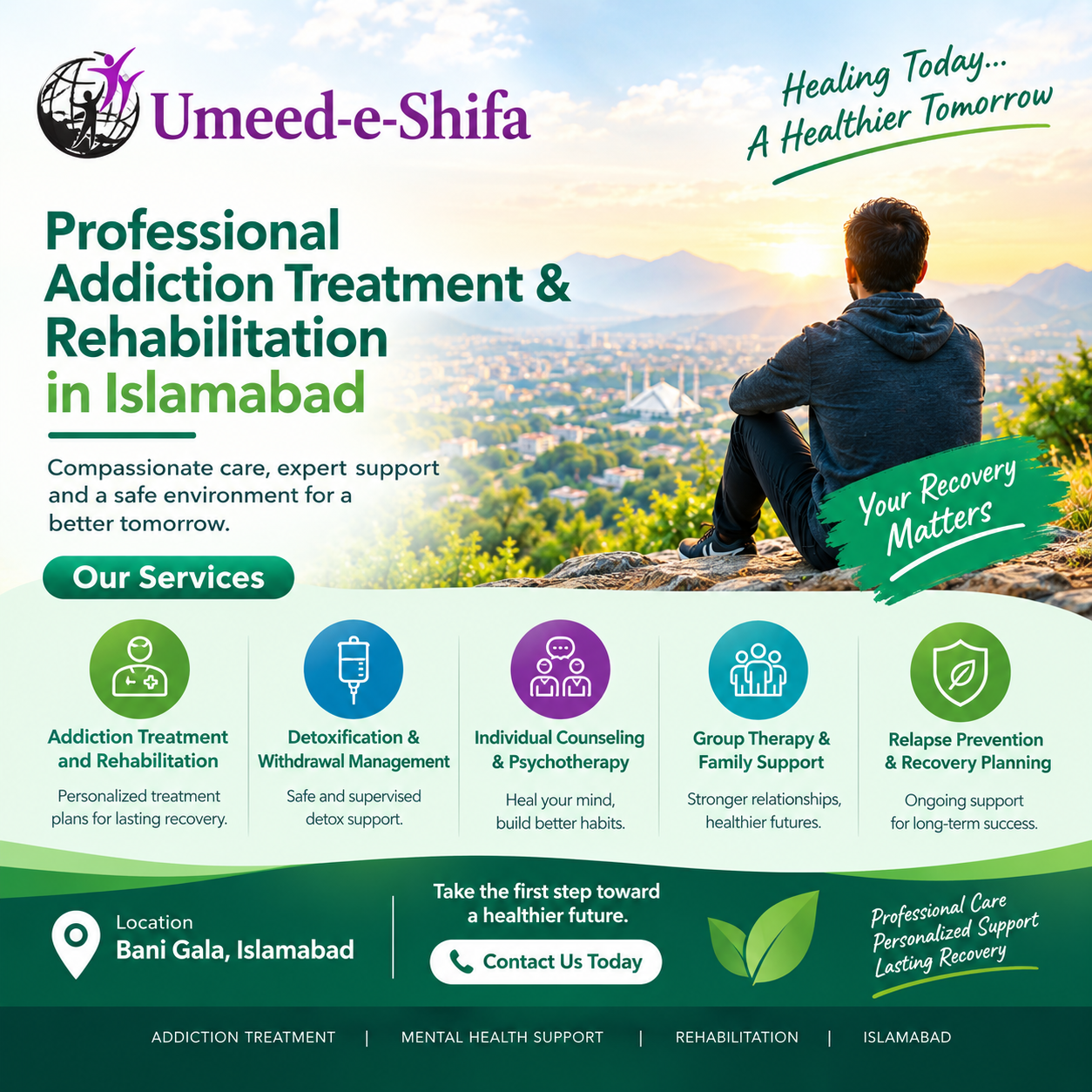
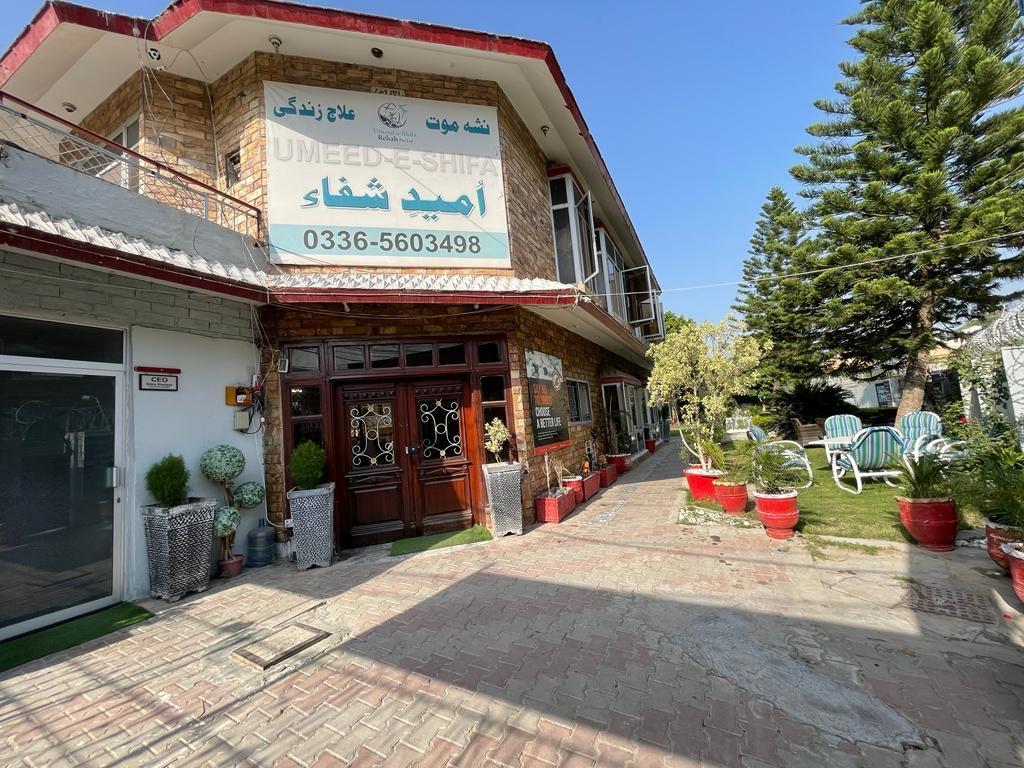
Umeed-e-Shifa Rehabilitation Centre is located in Bani Gala, Islamabad, and provides addiction-related treatment and recovery support. Its services include individual counseling, psychotherapy, group sessions, family involvement, and relapse prevention planning. Detoxification and withdrawal management may also be considered where appropriate, based on the individual's needs and clinical assessment.
People looking for an addiction treatment centre in Islamabad can explore the services offered by Umeed-e-Shifa and ask which options may be suitable for someone experiencing ice addiction.
You can also learn more about the centre's rehabilitation services in Islamabad and review its treatment programs. Contacting a provider to discuss individual needs can help families understand the next steps without making assumptions about which treatment is best.
What Happens After Completing a Treatment Program?
Continuing support can be an important part of recovery after a structured program. Individuals may benefit from ongoing counseling, follow-up appointments, healthy daily routines, and supportive relationships.
A practical recovery plan can identify personal triggers, outline steps to take when cravings occur, and establish who to contact during difficult periods. If a setback occurs, it should be treated as a reason to reassess the plan and seek support rather than as proof that recovery is impossible.
Conclusion
Ice addiction can affect physical health, mental well-being, and family life, but professional support can help individuals explore treatment options and develop a plan for recovery. Choosing an appropriate ice addiction treatment center in Islamabad involves considering individual needs, clinical support, counseling, family involvement, and continuing care.
Umeed-e-Shifa Rehabilitation Centre in Bani Gala, Islamabad, offers addiction treatment and recovery-related services for individuals and families seeking guidance. A conversation with a qualified treatment provider can help clarify the available options and identify a suitable next step.


