


What Determines Laser Cleaning Machine Cost
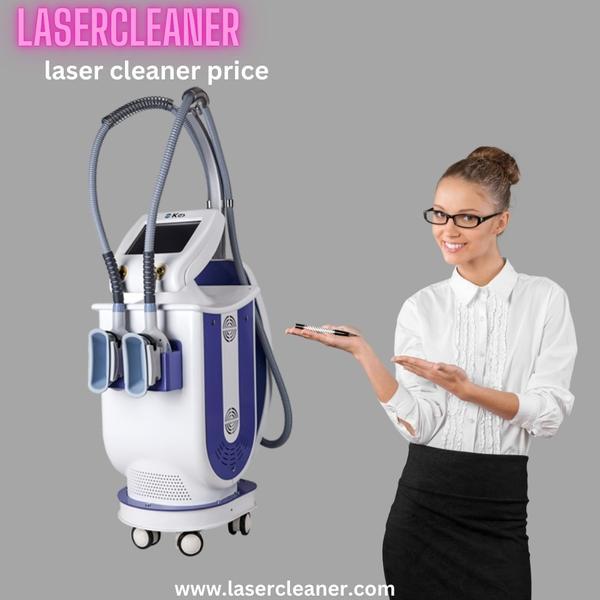
Understanding the laser cleaner price is an important step for businesses looking to improve surface cleaning, remove rust, and prepare metal components for further processing. Laser cleaning technology uses focused laser energy to remove unwanted materials from surfaces without relying on traditional chemical cleaning agents or abrasive methods. It is increasingly used in manufacturing, automotive workshops, metal fabrication, maintenance, and restoration industries.
Before purchasing a laser cleaning machine, buyers should understand the factors that influence its cost, the available machine types, and how to select a suitable model for their applications.
What Determines Laser Cleaning Machine Cost?
The laser cleaner price machine depends on several factors, including laser power, machine configuration, cleaning requirements, and manufacturer specifications. Understanding these elements helps buyers compare equipment and make informed purchasing decisions.
1. Laser Power
Laser power is one of the main factors affecting the laser cleaner price. Lower-power machines may be suitable for light rust removal, surface preparation, and small workshop applications. Higher-power systems are generally designed for demanding industrial tasks, larger surfaces, and faster cleaning requirements.
Buyers should select a power level based on the thickness of the contamination, the material being cleaned, and the required production speed.
2. Machine Type
Laser cleaning equipment is available in different configurations to meet various operational needs.
-
Portable laser cleaners: Suitable for workshops, maintenance teams, and on-site cleaning tasks.
-
Handheld laser cleaners: Designed for operators who need flexibility when cleaning different components and surface shapes.
-
Industrial laser cleaning systems: Intended for production environments that require consistent performance and integration into manufacturing processes.
-
Automated laser cleaning machines: Suitable for repetitive cleaning operations and production lines.
The right configuration depends on the workspace, frequency of use, and size of the components being treated.
Common Applications of Laser Cleaning Machines
Laser cleaning technology is used across multiple industries because it can remove surface contaminants with controlled laser energy.
Rust and Oxide Removal
Metal fabrication companies and maintenance workshops use laser cleaners to remove rust and oxidation from metal surfaces. This process can help prepare components for painting, welding, or other finishing operations.
Paint and Coating Removal
Laser cleaning systems can remove selected paints and coatings from suitable surfaces. The correct laser settings must be established to avoid damaging the underlying material.
Industrial Equipment Maintenance
Manufacturing plants use laser cleaning to maintain certain metal parts, tools, and equipment. It can help remove deposits and contaminants from surfaces where conventional cleaning methods may require additional consumables.
Automotive and Metalworking
Automotive workshops and metalworking facilities may use laser cleaning for component restoration, surface preparation, and selected precision-cleaning applications.
How to Choose the Right Laser Cleaner
When comparing equipment, focus on your actual cleaning requirements rather than choosing a machine based on price alone.
First, identify the materials you need to clean, such as carbon steel, stainless steel, or aluminium. Next, determine the type of contamination, including rust, paint, oil residue, or oxide layers.
Consider the size of the workpieces, the daily operating hours, and whether the machine will be used in one location or transported between job sites. Ask suppliers for cleaning demonstrations using materials similar to your own applications.
It is also important to check the machine's cooling system, power requirements, warranty, spare-parts availability, and technical support.
Tips for Getting the Best Value
To find a suitable laser cleaner price, request quotations from multiple manufacturers and compare specifications carefully. A lower initial price may not include all the accessories, delivery costs, installation requirements, or after-sales support you need.
Ask suppliers to clarify the following details:
-
Laser source brand and rated output power
-
Cleaning head and included accessories
-
Warranty coverage and service arrangements
-
Operator training and technical documentation
-
Delivery time and spare-parts availability
-
Laser safety equipment and installation requirements
Always confirm that the proposed machine is appropriate for your intended materials and cleaning tasks. Industrial laser systems require suitable protective enclosures or controlled work areas, appropriate laser safety measures, and trained operators.
Is a Laser Cleaning Machine Worth the Investment?
For businesses that regularly remove rust, coatings, or surface contaminants, a laser cleaning machine may help improve workflow consistency and reduce dependence on certain consumables. However, the financial return depends on machine utilization, labour costs, maintenance, energy consumption, and the performance of alternative cleaning methods.
When evaluating the laser cleaner price, estimate the total cost of ownership rather than considering the purchase price alone. Compare expected operating expenses with the time and resources currently spent on surface cleaning.
Final Thoughts
Choosing the right laser cleaning equipment requires a clear understanding of your application, production requirements, and budget. The laser cleaner price varies according to power, configuration, automation, and manufacturer support, so comparing complete quotations is essential.
Whether you need a portable unit for workshop maintenance or an industrial system for regular production, selecting equipment that matches your cleaning requirements can support reliable operation and long-term value. Contact a reputable supplier, request a demonstration, and review the technical specifications before making your final purchasing decision.
Categorias
Leia mais
December 2025 Honkai Rewards With the arrival of December 2025, Honkai: Star Rail fans have the opportunity to claim fresh free rewards via exclusive redemption codes. These codes offer a simple method to collect valuable items like Stellar Jade, credits, and upgrade resources without spending any money. Perfectly timed for the festive banners and year-end celebrations, these codes provide a...

🌐 CLICK HERE 🟢==►► WATCH NOW🔴 CLICK HERE 🌐==►► DOWNLOAD NOWhttps://iyxwfree24.my.id/watch-streaming/?video=xxx-videos-kaliofficial-onlyfans-viral-video-original&source=webExploring the Buzz: √[Xxx-Videos🎥️!! kali_official onlyfans viral video originalDepending on the time of year, sports events become more prominent. For instance, the Winter Olympics and college basketball season...
Breast Lift Surgery in Banjara Hills – Achieve a Youthful and Beautiful Breast Contour A woman's body undergoes many changes throughout life. Pregnancy, breastfeeding, aging, weight fluctuations, and gravity can all contribute to breast sagging, resulting in a loss of firmness and shape. For women seeking to restore a youthful breast appearance, Breast Lift Surgery in Banjara Hills offers...

The global Hair Styling Foam Market is experiencing steady growth, supported by increasing consumer interest in personal grooming, evolving hairstyling preferences, and the growing popularity of convenient hair care products. Hair styling foam, commonly known as styling mousse, helps improve hair volume, provide flexible hold, define curls, control frizz, and maintain hairstyles without the...
"Future of Executive Summary Tuna Market: Size and Share Dynamics CAGR Value The global tuna market size was valued at USD 45.98 billion in 2024 and is projected to reach USD 62.92 billion by 2032, with a CAGR of 4.00% during the forecast period of 2025 to 2032. The Tuna report encompasses the key developments in the market with respect to the current scenario and the forthcoming...
