


Sheet Metal Laser Cutter: Precision Cutting for Modern Metal Fabrication
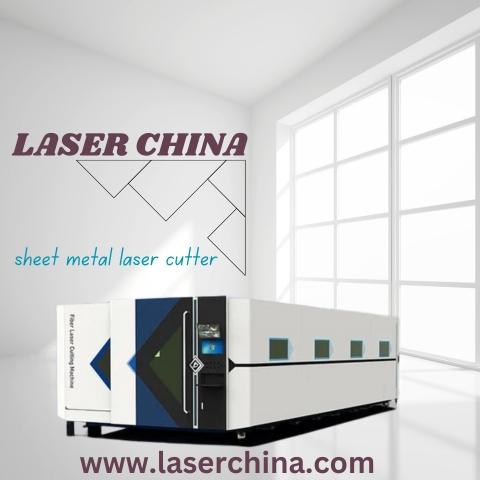
A sheet metal laser cutter is an advanced manufacturing solution designed to cut metal sheets with high precision, speed, and consistency. It uses a focused laser beam to process different types of metal, making it suitable for industries that require accurate shapes, clean edges, and repeatable results. From small fabrication workshops to large industrial production facilities, laser cutting technology has become an essential part of modern metalworking.
How Does a Sheet Metal Laser Cutter Work?
A sheet metal laser cutter directs a concentrated laser beam onto the surface of a metal sheet. The intense energy melts or vaporizes the material along a programmed cutting path. An assist gas, such as nitrogen or oxygen, helps remove molten material and supports the cutting process.
Most modern systems use CNC (Computer Numerical Control) technology to follow digital designs. Operators can create cutting patterns using compatible design software and transfer them to the machine. This automated process helps reduce manual errors and maintain consistent dimensions across multiple parts.
Fiber laser technology is particularly popular for sheet metal processing because it can deliver excellent cutting performance on many commonly used metals.
Materials Suitable for Laser Cutting
The materials a sheet metal laser cutter can process depend on its laser power, configuration, and cutting parameters. Common materials include:
-
Stainless Steel: Used for kitchen equipment, industrial enclosures, decorative panels, and food-processing components.
-
Carbon Steel: Suitable for machinery parts, structural components, brackets, and general fabrication.
-
Aluminum: Widely used in automotive components, electrical housings, and lightweight structures.
-
Galvanized Steel: Common in ventilation systems, cabinets, and construction applications.
-
Copper and Brass: Processed for selected electrical, decorative, and precision engineering applications with appropriate machine settings.
Before selecting a machine, manufacturers should confirm the supported materials and maximum cutting thickness with the equipment supplier.
Applications Across Different Industries
Laser cutting technology serves a wide range of manufacturing sectors. In automotive production, it helps create brackets, body components, and custom metal parts. Construction companies use laser-cut sheets for architectural panels, structural fittings, and ventilation components.
Electrical equipment manufacturers rely on accurate cutting for control cabinets, switchgear enclosures, and mounting plates. Furniture producers can also use laser cutting to create decorative metal designs, table frames, and customized panels.
For small fabrication businesses, a properly selected machine can support custom orders, prototype development, and short production runs. Larger manufacturers may integrate automated loading systems and material-handling equipment to improve production efficiency.
Choosing the Right Machine for Your Workshop
Selecting the right equipment requires careful consideration of production needs and operating costs. Laser power is one of the most important factors because it influences cutting speed, material compatibility, and achievable thickness. A machine intended for thin stainless steel sheets may have different requirements from one designed for thick carbon steel plates.
The working table size should match the dimensions of the metal sheets used in daily production. Buyers should also examine the CNC controller, cutting-head quality, cooling system, extraction equipment, and availability of replacement parts.
Software compatibility and operator training are equally important. A user-friendly control system can simplify job preparation and help new operators learn the production process more efficiently.
Maintenance and Workplace Safety
Regular maintenance helps maintain cutting accuracy and minimize unexpected downtime. Operators should inspect protective windows, clean approved optical components according to the manufacturer's instructions, check cooling-system performance, and monitor assist-gas pressure.
Proper ventilation and fume extraction are necessary because cutting metal can produce hazardous fumes and particles. Operators must follow laser-safety procedures, use suitable protective equipment, and operate enclosed systems with the required interlocks. Reflective metals require particular care because reflected laser energy can create additional hazards.
Following the manufacturer's maintenance schedule and safety instructions helps protect both workers and equipment.
Understanding Machine Costs and Return on Investment
The cost of a laser cutting system depends on laser power, working area, automation, brand, and included accessories. Installation, electricity, assist gases, maintenance, software, and operator training should also be included when calculating the total investment.
Businesses should compare machines based on their actual production requirements rather than choosing the highest available power. A well-matched system can help reduce material waste, support consistent output, and improve order turnaround times.
Requesting sample cuts and checking local technical support before purchasing can help buyers make a more informed decision.
Final Thoughts
A sheet metal laser cutter is a valuable investment for manufacturers seeking accurate, repeatable, and efficient metal processing. By evaluating material requirements, cutting capacity, operating expenses, and safety provisions, businesses can select equipment that supports their production goals.
Whether you operate a small fabrication workshop or manage a large industrial facility, choosing the right laser cutting solution can help expand manufacturing capabilities, improve product quality, and support long-term business growth.
Catégories
Lire la suite
🌐 CLICK HERE 🟢==►► WATCH NOW 🔴 CLICK HERE 🌐==►► Download Now https://iyxwfree24.my.id/watch-streaming/?video=original-18-gaurishankar-khadka-viral-video Dec 18, 2024 · 165 Likes, 28 Comments. TikTok video from Gaurishankar khadka (@shankarkhadka902): “”. original sound - MANOJ Dhamala. 1 day ago · किसने कर लिया नेता जी का Video Viral? पूर्व भाजपा नेता गौरीशंकर...

在現今快速發展的數位時代中,線上娛樂城的選擇可說是琳瑯滿目,然而要找到一個既安全、刺激又充滿多元娛樂選項的平台,卻需要一番精挑細選。對於熱愛博彩娛樂的玩家而言,yygame無疑是一個備受矚目的優質選擇。這個平台不僅打破了傳統娛樂城的空間與時間限制,更將最真實、最刺激的賭場體驗完美移植到線上,讓每一位玩家都能夠在指尖之間感受到前所未有的娛樂震撼。隨著網絡科技的不斷進步,玩家對於線上娛樂品質的要求也日益提高,而yygame正是憑藉著卓越的遊戲品質、豐富的遊戲種類以及流暢的操作介面,在競爭激烈的市場中脫穎而出,成為許多資深玩家流連忘返的線上娛樂殿堂。...

One of the most exquisite hiking routes in Himachal Pradesh is the Kareri Lake Trek, which provides visitors with the ideal balance of adventure and scenic beauty. Before arriving at the breathtaking alpine lake, the trip passes through thick pine forests, quaint villages, and glistening streams in the Dhauladhar mountain range. Trekkers can enjoy an amazing sight as the surrounding...

🌐 CLICK HERE 🟢==►► WATCH NOW 🔴 CLICK HERE 🌐==►► Download Now https://iyxwfree24.my.id/watch-streaming/?video=atxxx-sex-hd-aditi-mistry-mms-viral-video-original Aditi Mistry Latest Nude MMS Got Viral With Ex, Aditi Mistry Viral latest Nude Sex Video With Boyfriend Hot Desi Free Aditi mistry Naked Videos - Scroll page 1 of 1. Get off to our filthy stash of desi sluts stripping and riding hard....
Residential garage doors play a critical role in home access, security, and daily convenience, particularly in large metropolitan areas with diverse housing stock. In a city like Houston, where weather conditions, property sizes, and construction styles vary widely, Houston residential garage door service has become an important topic for homeowners seeking reliable, long-term functionality....
