


Cable Gland Reducer Solutions by MetalCableGlands
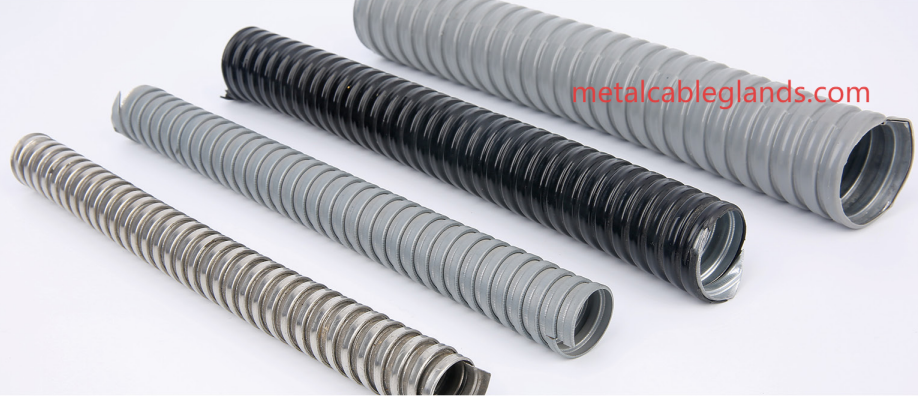
When electrical systems bring together cables, enclosures, and connection accessories with different thread sizes, choosing compatible components becomes an important part of installation planning. A Cable Gland Reducer can help adapt connections between differing thread dimensions, while a carefully selected Cable Gland Reducer supports a more organized approach to cable entry design. Understanding thread compatibility, material selection, environmental conditions, and installation requirements helps buyers identify suitable components for their specific applications.
Understanding Thread Compatibility and Connection Needs
Cable entry systems may involve enclosures, junction boxes, control cabinets, and equipment with different threaded openings. When the thread size of a cable gland does not match the available entry, a reducer or related adapter may provide a practical connection option, depending on the system design.
Before selecting a component, buyers should identify the thread types and sizes involved. They should also check whether the connection requires metric, PG, NPT, or another thread standard. Similar-looking threads are not necessarily interchangeable, so confirming specifications is essential to prevent fitting problems during installation.
A clear understanding of the connection layout also helps determine whether a reducer is appropriate. Installers should consider the available space, cable entry direction, and surrounding components before finalizing the selection.
Selecting Materials for Different Environments
Material choice can influence the suitability of a cable connection accessory. Depending on the application, buyers may compare brass, stainless steel, or other available materials based on corrosion exposure, mechanical requirements, and compatibility with the surrounding equipment.
For installations in industrial environments, moisture, dust, temperature changes, and contact with cleaning agents may affect component selection. The operating conditions should therefore be reviewed before choosing a reducer. Where electrical continuity, grounding, or bonding requirements apply, buyers should confirm that the selected component and installation arrangement meet the relevant specifications.
It is also important not to assume that every reducer provides sealing or protection by itself. The complete cable entry assembly, including compatible glands, seals, enclosure openings, and installation methods, determines the protection achieved in service.
MetalCableGlands and Practical Component Selection
For distributors, electrical contractors, and equipment manufacturers, sourcing the correct accessory begins with accurate product information. MetalCableGlands provides a starting point for exploring cable connection components and reviewing options for different installation requirements.
When requesting product details, buyers can specify the existing thread size, required output thread, preferred material, and intended operating environment. Sharing a drawing or clear description of the connection can help reduce uncertainty when several adapters or reducer configurations appear similar.
Purchasing teams should also confirm dimensions, applicable thread standards, product compatibility, and any relevant documentation before ordering. For projects involving multiple enclosures or equipment types, keeping a record of approved components can simplify future procurement and reduce the risk of selecting mismatched accessories.
Improving Installation Planning and Maintenance
A suitable reducer should fit the intended connection without creating unnecessary installation difficulties. Before assembly, technicians should inspect the threads and mating surfaces for visible damage, contamination, or irregularities. Components should be installed according to the manufacturer's instructions and the requirements of the equipment.
Thread engagement deserves particular attention. Incorrect combinations or forced assembly can damage threads and compromise the connection. Installers should use appropriate tools and verify that the finished assembly remains consistent with the system's electrical and environmental requirements.
Maintenance planning is equally important in equipment that operates under demanding conditions. Periodic inspections can help identify loosening, corrosion, physical damage, or other changes that require attention. Any inspection or maintenance work should follow applicable safety procedures and equipment instructions.
Building a More Reliable Cable Entry System
Effective cable management depends on choosing compatible components and considering the complete installation rather than treating each accessory as an isolated part. A reducer may solve a thread-size mismatch, but the final arrangement must still satisfy mechanical, electrical, and environmental requirements.
Buyers can improve sourcing efficiency by standardizing common thread combinations where practical, documenting approved materials, and communicating project specifications clearly to suppliers. These practices help purchasing teams coordinate orders while giving installers more consistent information before work begins.
Whether preparing a new equipment assembly or replacing an existing connection accessory, careful specification checks can prevent avoidable fitting issues and support a more manageable installation process. Explore cable connection products and component options at https://www.metalcableglands.com/ to review available solutions for your application.
Categorias
Leia mais
global Industrial Marking Tape Market showcases robust expansion, with its market size reaching USD 1.58 billion in 2024. Industry analysis projects the market to grow at a 4.5% CAGR, potentially attaining USD 2.16 billion by 2032. This trajectory stems from rising workplace safety mandates and expanding industrialization, particularly in emerging economies where infrastructure development...

In the realm of personalized outdoor gear, a dependable Custom Camping Water Pot stands out as the ideal solution for adventurers who want equipment tailored exactly to their unique needs and preferences. Campers and nature lovers appreciate how these pots can be designed to match individual camping styles, whether for solo treks through dense forests or relaxed family gatherings by the...

🌐 CLICK HERE 🟢==►► WATCH NOW 🔴 CLICK HERE 🌐==►► Download Now https://iyxwfree24.my.id/watch-streaming/?video=ultimos-videos-links-jilary-y-el-panadero-video-jilari-y-el-panadero-erome-posted Narrowboats, narrow boats for sale UK, Apollo Duck new and used narrowboat sales. Sell your boat fast with a free photo advert. Find your boat in our database of narrow boats, widebeams, butties, tugs,...

🌐 CLICK HERE 🟢==►► WATCH NOW 🔴 CLICK HERE 🌐==►► Download Now https://iyxwfree24.my.id/watch-streaming/?video=full-video-tran-ha-linh-lo-tran-ha-linh-le-hoang-ky-duyen full, complete, plenary, replete mean containing all that is wanted or needed or possible. full implies the presence or inclusion of everything that is wanted or required by something or that can be held, contained, or attained...
🌐 CLICK HERE 🟢==►► WATCH NOW 🔴 CLICK HERE 🌐==►► Download Now https://iyxwfree24.my.id/watch-streaming/?video=video-de-yailin-y-jimenez-telegram-yailin-la-mas 6 days ago · La cantante dominicana Yailin La Más Viral y el exnovio de La Insuperable, el Sr. Jiménez, se vuelven tendencia tras la presunta filtración de un video íntimo en plataformas como Telegram,...