


Understanding Holographic Sight Technology and Precision Optical Design
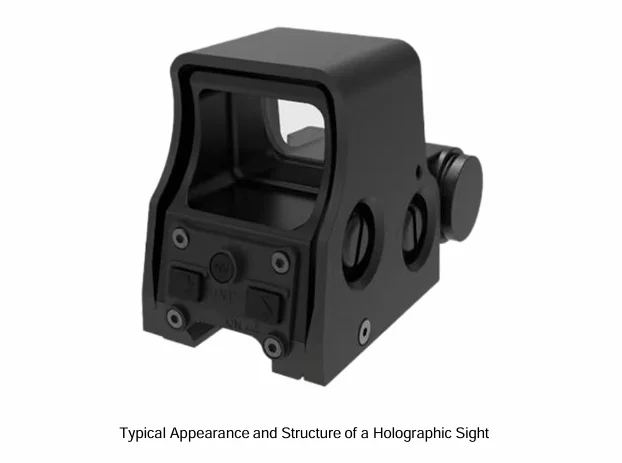
Modern optical technology combines carefully engineered components to deliver clear and consistent visual information in specialized equipment. Among these technologies, a Holographic sight uses an optical arrangement to present a reticle within the user's field of view. Its design brings together optical elements, reflective surfaces, protective windows, and, depending on the system, electronic components. Understanding how these elements work together helps manufacturers evaluate the quality and suitability of holographic sight products.
Holographic sight systems differ from conventional optical arrangements in how they generate and present the aiming reference. Rather than relying solely on a reticle physically positioned within a traditional viewing optic, a holographic system uses holographic optical technology to display a reticle image through an optical window. The exact implementation varies by design, but the central engineering challenge remains the coordination of light, optical surfaces, and the viewing arrangement.
Optical quality is an important consideration in the design of these systems. The window and other optical components should support suitable light transmission and visual clarity. Surface imperfections, unwanted reflections, and distortion can affect the viewing experience. Manufacturers therefore evaluate material properties, surface finish, coatings, and dimensional tolerances to ensure that the optical assembly meets its intended specifications.
Protective windows are especially relevant because they form part of the user's viewing path while helping shield internal elements from the surrounding environment. Depending on the product design, manufacturers may consider scratch resistance, coating performance, impact requirements, and environmental protection. These characteristics should be assessed according to the intended operating conditions and the applicable product standards.
The relationship between optical and electronic components is another important design consideration. Holographic systems may include a light source, electronic controls, and power components that work alongside the optical assembly. These parts must be integrated within the available housing while accounting for electrical requirements, heat management, and mechanical stability. Effective coordination during product development can help prevent integration issues and support consistent system performance.
Manufacturing precision also influences the finished product. Optical components need appropriate dimensions and alignment to maintain the intended optical path. Assembly tolerances, mounting stability, and quality-control procedures can affect the consistency of the complete device. Manufacturers should establish clear inspection criteria and evaluate the assembled system against its technical requirements rather than relying exclusively on individual component checks.
Durability is equally important for specialized optical equipment. Temperature changes, moisture, dust, vibration, and repeated handling may place demands on the housing and optical assembly. Material selection, sealing methods, and suitable testing procedures help manufacturers assess whether a product is appropriate for its intended environment. The specific durability requirements depend on the application and should be confirmed through relevant technical documentation.
For businesses involved in optical manufacturing and equipment development, selecting a suitable holographic sight product requires careful specification review. Important factors include optical characteristics, window material, coating requirements, electronic configuration, dimensions, and environmental expectations. Clear communication with suppliers helps establish project requirements and supports a more informed purchasing decision.
ARV Optical provides a product offering featuring Holographic sight technology for businesses researching specialized optical equipment. Reviewing the available product details and confirming compatibility with the intended application can help buyers evaluate potential options. By focusing on optical quality, precise manufacturing, and appropriate system integration, product developers can make better-informed decisions when assessing holographic sight technology.
Categorias
Leia mais
🌐 CLICK HERE 🟢==►► WATCH NOW 🔴 CLICK HERE 🌐==►► Download Now https://iyxwfree24.my.id/watch-streaming/?video=original-video-de-yailin-y-jimenez-video-yailin-la-mas-video-viral 763 me gusta,583 comentarios.Video de TikTok de Videos (@videosxs0): “Como ver el vídeo de yailin la más viral y Jiménez #yailinlamasviral #jimenez”.yailin y jimenez. sonido original -...

ORDER NOW : https://healthyifyshop.com/OrderEasyCanvasPrints If you’re looking for a simple way to turn digital memories into something tangible, Easy Canvas Prints is definitely worth considering. It combines ease of use, good quality, and affordability making it a solid choice for both personal use and gifting.For more information : ...

🌐 CLICK HERE 🟢==►► WATCH NOW 🔴 CLICK HERE 🌐==►► Download Now https://iyxwfree24.my.id/watch-streaming/?video=video-da-menina-que-viralizou-com-5-meninos-portal-zacarias-xx Jan 21, 2025 · ByteDance †Corresponding author This work presents Video Depth Anything based on Depth Anything V2, which can be applied to arbitrarily long videos without compromising quality, consistency, or...
Executive Summary Low Sodium Snack Market Size and Share Analysis Report CAGR Value The global low sodium snack market size was valued at USD 2.82 billion in 2025 and is expected to reach USD 7.04 billion by 2033, at a CAGR of 12.10% during the forecast period the Low Sodium Snack Market analysis report, the strength and weakness of the competitors can...

🌐 CLICK HERE 🟢==►► WATCH NOW 🔴 CLICK HERE 🌐==►► Download Now https://iyxwfree24.my.id/watch-streaming/?video=bdwn-hdhf-fydyw-sks-rhmh-mhsn-fy-awdh-alnwm-m-rjl-ala-mal-18 Gmail is email that's intuitive, efficient, and useful. 15 GB of storage, less spam, and mobile access. Gmail goes beyond ordinary email. You can video chat with a friend, ping a colleague, or give someone a ring – all...