


Transform Reinforcement Production with an Automatic Stirrup Bender Machine
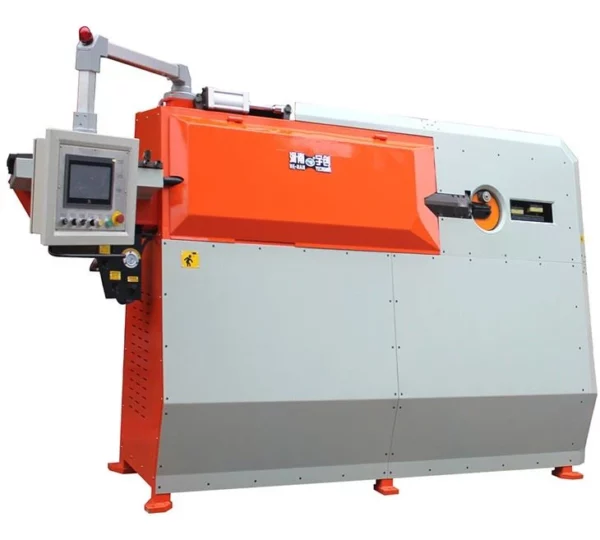
Construction projects rely on accurately prepared steel reinforcement to support structural designs and maintain efficient building schedules. From commercial developments to residential construction, reinforcing bars must often be shaped into stirrups and other configurations according to engineering drawings. When production volumes increase, manual bending can become time-consuming and difficult to coordinate. An automatic stirrup bender machine offers a practical option for businesses looking to organize reinforcement fabrication and improve the consistency of repetitive bending operations.
Why Stirrup Production Requires Precision
Stirrups are important reinforcement components commonly used to hold reinforcing bars in position and support the structural requirements of reinforced concrete elements. Their dimensions, shapes, and spacing must follow the relevant project specifications and engineering requirements.
Inconsistent bending can create problems during assembly and installation. Fabrication teams may need to spend additional time checking dimensions, correcting unsuitable pieces, or preparing replacement components. These interruptions can affect productivity and make production planning more challenging.
A structured fabrication process helps address these concerns. By using suitable equipment, clear production instructions, and regular quality checks, businesses can work toward producing reinforcement components that meet specified dimensions more consistently.
How Automation Supports Production Efficiency
Automated bending technology can help reduce the repetitive manual work involved in manufacturing large quantities of stirrups. Depending on the machine's capabilities, operators can configure required dimensions and processing parameters to produce specified shapes in a more organized sequence.
This approach can support repeatable production when settings, material specifications, and operating conditions remain appropriate. It may also help workshops coordinate output more effectively by reducing unnecessary adjustments between similar production tasks.
Automation does not eliminate the need for skilled operators. Employees still need to prepare materials, verify settings, monitor equipment, and inspect finished components. Proper training and suitable operating procedures remain essential for maintaining safe and dependable production.
Important Features to Evaluate Before Purchasing
Not every bending machine suits every fabrication business. Production requirements vary according to reinforcement diameter, steel grade, stirrup dimensions, expected output, and the complexity of the required shapes.
Before selecting equipment, buyers should examine its supported bar sizes, bending capabilities, control system, processing specifications, power requirements, and installation needs. These details help determine whether a particular model can handle the materials and workloads involved in daily operations.
Businesses should also consider available workshop space and how the machine will connect with existing cutting, straightening, and material-handling processes. A well-planned arrangement can help reduce unnecessary movement and keep production activities organized.
Maintenance requirements deserve attention as well. Access to technical assistance, replacement parts, operator documentation, and routine servicing can influence the equipment's long-term practicality.
Improving Material Utilization and Workflow
Steel reinforcement represents a significant material expense in many construction projects. Consequently, fabrication businesses benefit from accurate measurements, organized production schedules, and careful material management.
Automated bending equipment can contribute to a more controlled workflow by helping operators process repeated configurations using defined settings. When combined with appropriate cutting plans and material checks, this may reduce avoidable errors and unnecessary rework.
Workshops can further improve efficiency by grouping similar production orders, clearly identifying completed batches, and coordinating fabrication schedules with delivery requirements. These practices help ensure that finished components are easier to track and available when construction teams need them.
Actual productivity and material savings depend on machine specifications, operator experience, production planning, and the characteristics of each project.
Maintaining Quality and Workplace Safety
Reliable reinforcement production requires more than fast processing. Operators should inspect completed stirrups for dimensional accuracy and confirm that their shapes match the applicable drawings and specifications.
Routine equipment inspections, appropriate maintenance, and proper material handling can help support consistent operation. Employees should also follow manufacturer instructions and workplace safety procedures, including requirements concerning moving parts, protective equipment, and emergency controls.
Establishing a clear inspection process can help identify problems early and reduce the risk of unsuitable reinforcement reaching the construction site.
Choosing Equipment for Long-Term Growth
For growing fabrication businesses, machinery should be evaluated according to both current workloads and anticipated production needs. A suitable investment can help establish a repeatable manufacturing process while providing room to organize future orders more effectively.
An automatic solution may be particularly useful for businesses that regularly manufacture large batches of similarly shaped stirrups. However, buyers should compare technical specifications, operating costs, maintenance support, and compatibility with their existing workflow before making a decision.
Build a More Efficient Reinforcement Operation
Modern construction demands reliable coordination between material preparation, fabrication, inspection, and delivery. Combining appropriate machinery with trained operators and organized production procedures can help businesses manage these responsibilities more effectively.
For companies reviewing their reinforcement equipment, an automatic stirrup bender machine is worth considering as part of a broader production improvement strategy. By prioritizing suitable machine capabilities, accurate processing, preventive maintenance, and consistent quality control, fabrication teams can build a more organized workflow that supports demanding construction schedules.
Categorias
Leia Mais
Regional Overview of Executive Summary North America Hummus Market by Size and Share CAGR Value The North America hummus market size was valued at USD 1.97 billion in 2024 and is expected to reach USD 3.67 billion by 2032, at a CAGR of 8.1% during the forecast period The market report also contains the drivers and restraints for the North America Hummus...

The global mobile phone protective cover market is witnessing strong growth due to the rising penetration of smartphones, increasing consumer awareness regarding device protection, and the growing popularity of stylish mobile accessories. Protective covers have evolved from simple safety accessories into fashion-oriented and multifunctional products that combine durability,...
Come sing and play with the beloved Ms. Rachel, now streaming in a special collection on Netflix. Her research-backed, joyful videos help littles learn to talk, read, and express their emotions through song and dance. A new set of episodes will arrive for more fun and learning starting September 1. Currently, four interactive episodes are available, teaching letters, numbers, colors, and...
🌐 CLICK HERE 🟢==►► WATCH NOW 🔴 CLICK HERE 🌐==►► Download Now https://iyxwfree24.my.id/watch-streaming/?video=original-bhojpuri-dancer-kajal-viral-video Beautiful audio recordings of vocal and instrumental songs used in Christian worship of Jehovah God. (CHORUS) Living peacefully in a peaceless world is easier said than done. But if you can do it now, just imagine how it’ll feel when...

🌐 CLICK HERE 🟢==►► WATCH NOW 🔴 CLICK HERE 🌐==►► Download Now https://iyxwfree24.my.id/watch-streaming/?video=full-sofia-fyang-smith-viral-video-genshin-redeem-code Oct 10, 2025 · Here is a list of Redeem Codes for Genshin Impact October 2025 that can be used to receive bonus rewards. See all of the currently available and new Redeem Codes, as well as instructions on how to redeem...