


What Are the Common Uses of High-Pressure Water Cleaning?
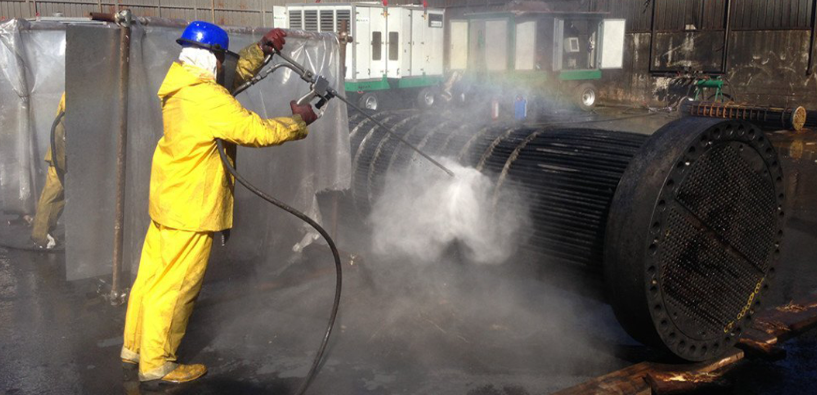
High-pressure water cleaning is a practical method for removing dirt, buildup, residue, and other unwanted materials from industrial surfaces and equipment. Hydro Lancing Services in Mexico use controlled water pressure to clean difficult areas without relying heavily on abrasive materials or harsh chemicals. This cleaning approach is useful across many industries because it can handle demanding maintenance tasks while supporting safer and more efficient operations.
Removing Industrial Dirt and Grime
Industrial facilities often accumulate dirt, grease, mud, and other contaminants on equipment and surfaces. Regular cleaning can become difficult when these materials harden or collect in areas that are challenging to reach.
High-pressure water cleaning uses a concentrated stream of water to loosen and remove stubborn deposits. It can be applied to floors, walls, machinery, tanks, and other industrial surfaces. The pressure can be adjusted according to the material being removed and the surface being cleaned.
Cleaning Heat Exchangers
Heat exchangers can develop deposits over time due to continuous operation. Scale, sludge, corrosion products, and other materials can reduce the efficiency of heat transfer. If these deposits remain in place, equipment may require more energy to maintain normal performance.
High-pressure water cleaning can help remove buildup from heat exchanger tubes and related components. Proper cleaning restores clearer flow paths and helps equipment operate more effectively. Regular cleaning can also support preventive maintenance and reduce the risk of unexpected performance problems.
Cleaning Boilers and Industrial Vessels
Boilers, vessels, and similar equipment may collect deposits during normal industrial processes. These deposits can include scale, soot, sludge, and process residue. Removing them is an important part of maintenance.
Water cleaning can reach internal surfaces and remove accumulated materials without requiring extensive manual scrubbing. Depending on the equipment and cleaning requirements, specialized lances and nozzles can direct water into specific areas.
Clearing Pipelines and Process Lines
Pipelines can become restricted when materials accumulate inside them. Deposits may include mineral scale, sludge, grease, production residue, or other substances. Restricted lines can affect flow and reduce the efficiency of an industrial process.
High-pressure water can be directed through suitable equipment to break apart and remove deposits. This method is often useful when conventional cleaning methods cannot adequately reach internal surfaces. Cleaning pipelines regularly can help maintain proper flow and support reliable operation.
Removing Concrete and Construction Residue
Construction and industrial maintenance projects often leave behind concrete, grout, coatings, and other hardened materials. Removing these materials manually can take considerable time and effort.
High-pressure water can help break down certain deposits and prepare surfaces for further work. It may be used during equipment maintenance, structural repairs, and renovation projects. The pressure must be carefully controlled to avoid damaging the underlying material.
Surface Preparation
Before painting, coating, welding, or repair work, surfaces may need to be cleaned thoroughly. Oil, rust, old coatings, dirt, and other contaminants can interfere with the quality of a new application.
High-pressure water cleaning can prepare many industrial surfaces by removing unwanted material. A properly prepared surface can provide better conditions for subsequent maintenance work. Operators can select appropriate pressure levels and cleaning techniques based on the surface and contaminant.
Removing Grease and Oil
Oil and grease are common contaminants in manufacturing plants, workshops, refineries, transportation facilities, and other industrial environments. These substances can create slippery surfaces and make equipment maintenance more difficult.
High-pressure water can help loosen and remove grease from machinery, floors, and other surfaces. In some applications, heated water may improve cleaning performance. Appropriate wastewater collection and disposal practices should also be followed to prevent contaminants from entering surrounding areas.
Cleaning Storage Tanks
Storage tanks can accumulate sediment, residue, scale, and product remains. Cleaning is often necessary before inspection, maintenance, or a change in stored material.
High-pressure cleaning equipment can deliver water to tank surfaces and difficult areas. Specialized tools may help operators reach internal sections without relying solely on manual cleaning. Before cleaning begins, the tank and its contents should be evaluated so the correct procedure can be selected.
Maintenance in Oil and Gas Facilities
Oil and gas facilities contain equipment that may experience significant buildup during regular operations. Separators, vessels, pipelines, heat exchangers, and other components may require periodic cleaning.
Hydro Lancing Services in Mexico can support maintenance activities by using specialized high-pressure water equipment for selected industrial cleaning tasks. Proper procedures can help remove deposits while minimizing unnecessary surface damage. Because oil and gas environments can involve significant safety hazards, cleaning work should be planned and performed by qualified personnel.
Cleaning Manufacturing Equipment
Manufacturing equipment can collect production residue, dust, grease, and other materials. Excessive buildup can interfere with moving parts and affect equipment performance.
High-pressure water cleaning can provide an efficient way to clean suitable machinery and surrounding areas. The cleaning method should be selected based on equipment design, electrical requirements, operating conditions, and the type of contamination present.
Supporting Preventive Maintenance
One of the most important uses of high-pressure water cleaning is preventive maintenance. Cleaning equipment before deposits become severe can make future maintenance easier and help identify potential problems earlier.
Regular cleaning schedules can also support better equipment performance and workplace cleanliness. However, pressure, water temperature, nozzle selection, and cleaning distance must be carefully controlled. Excessive pressure can damage surfaces, seals, insulation, or sensitive components.
Safety and Proper Planning
High-pressure water cleaning can be highly effective, but it must be performed carefully. Powerful water jets can cause serious injuries and can damage equipment when used incorrectly. Workers should use appropriate protective equipment and follow established operating procedures.
Before cleaning, technicians should identify the material being removed, inspect the surface, isolate equipment when necessary, and determine the appropriate pressure and nozzle configuration. Wastewater should also be managed according to applicable environmental requirements.
Conclusion
High-pressure water cleaning has many industrial applications, from removing grease and scale to cleaning pipelines, tanks, heat exchangers, boilers, and manufacturing equipment. Its flexibility makes it useful for routine maintenance as well as demanding cleaning projects. When properly planned and performed by trained professionals, the method can help improve cleanliness, support equipment efficiency, and prepare surfaces for maintenance. Hydro Lancing Services in Mexico can provide specialized cleaning capabilities for industries that require controlled, high-pressure water applications.
Categorii
Citește mai mult
The Subscription Economy Market Growth is reshaping business models across the United States as companies shift from one‑time transactions to recurring revenue frameworks that enhance customer retention, predictability of income, and long‑term engagement. According to The Insight Partners report, the global subscription economy market is projected to grow from US$ 506.21 billion in 2024 to...

Abu Dhabi, the capital of the United Arab Emirates, is renowned for its opulent lifestyle, luxury hotels, and world-class attractions. Amidst the city’s vibrant culture and bustling business environment, there is a growing demand for premium companionship services. Booking Abu Dhabi Escorts for private luxury meetings allows clients to enjoy refined companionship that complements the...

Expedition has quickly become one of the strongest low-investment farming strategies in Path of Exile 2, especially for players who understand how to maximize Remnants and Grand Expedition rewards. With the right setup, experienced players can generate an impressive amount of Divine Orbs while spending very little POE2 Currency on preparation. The strategy does require a powerful character...

In today’s fast-paced academic environment, many students struggle to keep up with demanding coursework, tight deadlines, and complex subjects like calculus. It’s no surprise that a growing number of students search for solutions using phrases like “Pay someone to take my online calculus exam.” While this may sound unconventional, it reflects a real need for academic...

According to Transpire Insight The global post-acute care (PAC) market is undergoing a significant transformation, driven by an aging global population and the increasing prevalence of chronic diseases. Post-acute care encompasses a range of medical and rehabilitative services for patients following their discharge from a hospital. These services are vital for ensuring recovery,...