


How to Choose the Right AI Digital Marketing Course in 2026 (A Practical Checklist)

Search "AI digital marketing course" today and dozens of institutes claim to teach it. Almost every program now has "AI" somewhere in its brochure. But sitting through a few lectures on ChatGPT isn't the same as learning how to build AI into an actual marketing workflow. For anyone evaluating options in 2026, knowing what separates a genuinely useful course from a repackaged one can save months of wasted time and money.
Start With the Curriculum, Not the Marketing Copy
A strong AI marketing course should go well beyond "how to use ChatGPT." Look for a curriculum that covers AI-based content creation, AI-powered SEO and Generative Engine Optimisation (GEO), automated ad management on Google and Meta, marketing automation and CRM workflows, and AI-driven analytics. If a program only touches one or two of these areas, it's teaching a tool, not a skill set.
Check Whether the Training Is Practical or Theoretical
This is where most courses fall short. Watching a trainer demo a tool is not the same as building a real campaign, writing real ad copy, or running a real automation workflow yourself. Ask directly: how many live projects are included? Do students work with real client-style case studies? Is there a portfolio built by the end of the course? A program built around implementation, not just explanation, produces graduates who can walk into a job and start contributing immediately.
Look at the Tools Actually Being Taught
A course is only as current as the tools it teaches. Reasonable expectations for 2026 include hands-on exposure to ChatGPT, Gemini, Canva AI, AI-based SEO tools, and marketing automation platforms, not just a single demo tool used once in an intro class. If the syllabus reads the same as it did three years ago, that's a warning sign.
Consider the Format That Fits Your Goals
Not everyone needs the same depth of training. A short-format course (around 3 months) suits students, freelancers, or professionals wanting quick, practical skills. A more advanced 6-month program fits career switchers and job seekers who need live projects, internships, and a built portfolio. A 1-year diploma suits those aiming for agency-style, in-depth expertise with placement support. Matching the format to your actual goal matters more than picking the "biggest" course available.
Ask About Outcomes, Not Just Content
A good course should be transparent about what happens after training ends. Is there placement assistance? Internship support? Career counselling? Industry-recognised certification? These factors often matter as much as the syllabus itself when it comes to actually landing a role.
What This Looks Like in Practice
Institutes structured around this model tend to combine all of the above rather than offering AI as an add-on module. Digi Uprise in Delhi, for example, structures its AI digital marketing programs around practical, project-based training across 3-month, 6-month, and 1-year formats, with live case studies, internship assistance, and placement support built into each track.
Final Thought
The right course isn't the one with the flashiest AI branding. It's the one that teaches you to actually use AI inside a real marketing job, backed by practical projects, current tools, and a clear path to employment. Taking the time to evaluate a course against this checklist, rather than its marketing page, is worth the extra hour before enrolling.
Referências
Categorias
Leia Mais
As we reach the halfway point of the PS5's lifecycle, Sony continues to offer a robust lineup of exclusive titles that have captivated gamers worldwide. This holiday season, a wide range of these titles are available at significant discounts, making it an ideal opportunity to expand your collection. Among the standout deals is Astro Bot Rescue Mission, a highly acclaimed 3D platformer renowned...

Hello! My name is Payal, and I represent a service offering “Pakistani Escorts In Ras Al Khaimah.” I am a young woman — cultured, gentle, and sensitive — hailing from a great family. You will also be happy to learn that I possess professional experience in the modelling industry — precisely what many clients specifically seek: Pakistani Escorts In Ras Al Khaimah...

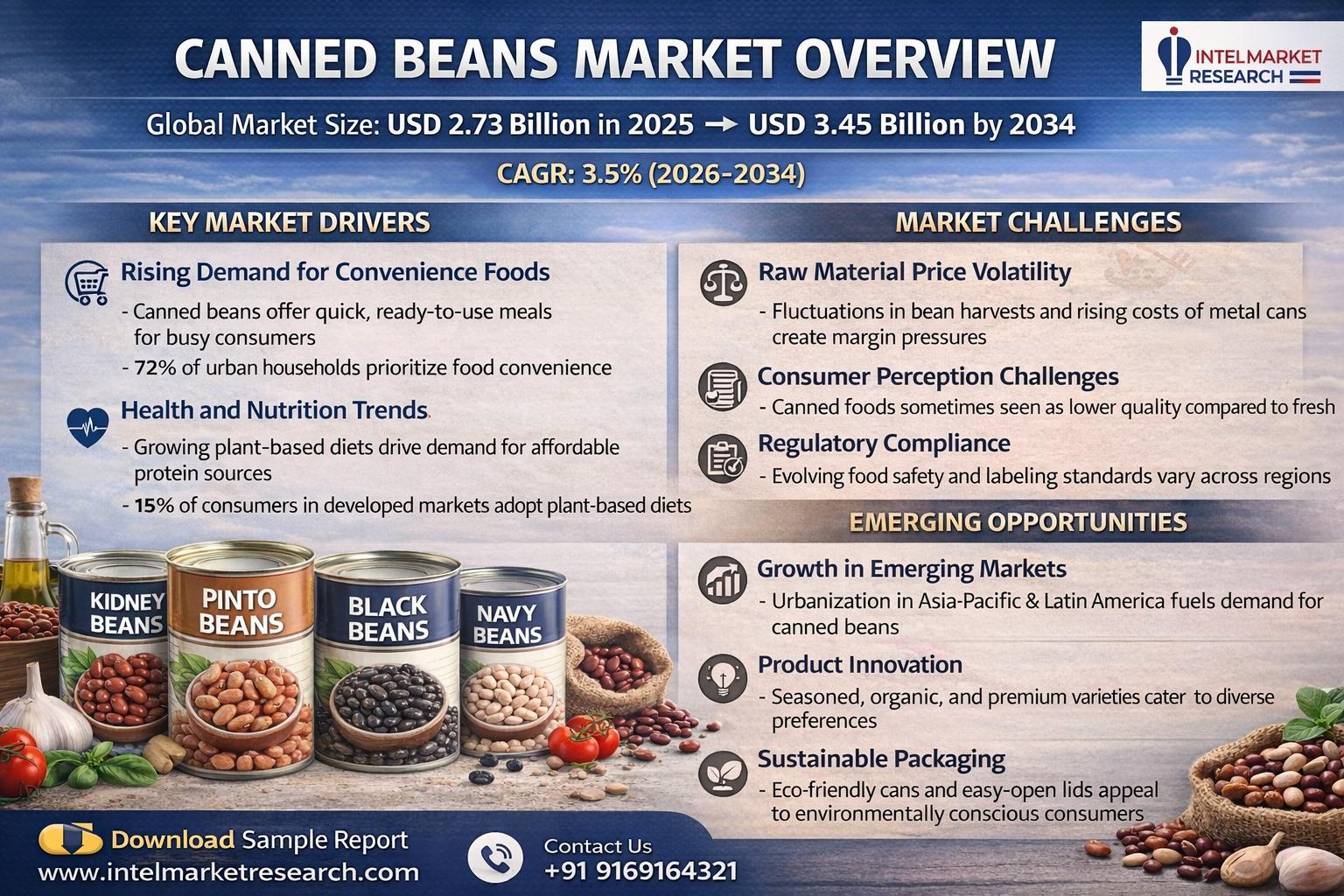
According to a new report from Intel Market Research, Global canned beans market was valued at USD 2.73 billion in 2025 and is projected to reach USD 3.45 billion by 2034, growing at a CAGR of 3.5% during the forecast period (2026-2034). This steady growth reflects rising consumer demand for convenient, shelf-stable protein sources and the expanding popularity of plant-based diets worldwide....
Your sleep apnea doesn't pause for vacations—and neither should your therapy. Fortunately, many modern CPAP machines are designed with travel in mind. Here's what to prioritize when choosing a machine for life on the move. Size and WeightLook for CPAP machines under 3 pounds with a compact footprint. Travel-specific models often omit the humidifier chamber to save space, but you...

🌐 CLICK HERE 🟢==►► WATCH NOW🔴 CLICK HERE 🌐==►► Download Nowhttps://iyxwfree24.my.id/watch-streaming/?video=xxxx-xxx-african-leaked-videos-porno-xxxxxxxxxxx-girlA COUPLE HAD ANAL SEX AND THE VIDEO WAS LEAKED 2.7k 81% 15min - 1080p Bang King Empire VIDEO LEAKED: GIRL MOANS WHEN HAVING SEX WITH LECTURER 1.7M 100% 11min - 1080p African Porn Sexy Black GF Real Sex Tape Leak 3M 99% 2min - 1080p Bang...
