


Can Injections for Knee Joint Help You Move With Less Pain?
Understanding Knee Joint Problems
Knee pain can slowly become part of everyday life. A person may notice discomfort while walking, climbing stairs, standing for a long time, or getting out of a chair. Sometimes the pain begins after an injury, while in other cases it develops gradually because of age related joint changes or arthritis. When simple measures are not providing enough comfort, injections for Knee joint may be discussed as one possible treatment option.
What Knee Joint Injections Are
Knee joint injections are treatments where medicine is delivered into or around the knee area. The purpose depends on the type of injection being considered. Some medicines are used to calm inflammation and reduce pain, while other treatments may be considered for particular joint conditions. The most suitable option depends on the cause of the knee problem, the severity of symptoms, and the persons general health.
Why Knee Injections May Be Recommended
Knee injections may be considered when pain continues despite other treatment approaches. Many people begin with gentle exercise, physiotherapy, activity changes, or suitable pain relief. If discomfort remains strong enough to affect normal activities, a healthcare professional may discuss whether an injection could help. The main goal is usually to improve comfort and movement rather than simply provide a quick solution to every knee problem.
Common Types of Knee Injections
There are several types of injections that may be used for knee symptoms. Corticosteroid injections are commonly used when inflammation contributes to pain and swelling. They may provide temporary relief for some people. Other injections may be discussed depending on the specific condition and treatment approach. Because every injection works differently, it is important to understand what the treatment is designed to achieve before making a decision.
How Steroid Injections Can Help
Corticosteroids can help reduce inflammation in certain painful joints. When inflammation is an important part of the problem, reducing it may make the knee feel more comfortable and easier to use. The response is different for every person. Some people experience noticeable improvement, while others may receive limited benefit. Steroid injections generally offer temporary symptom relief and do not repair damaged cartilage or permanently remove the cause of arthritis.
Preparing For The Treatment
Before receiving injections for Knee joint, a healthcare professional should assess the knee and discuss the persons symptoms and medical history. This assessment helps determine whether an injection is appropriate. Patients should mention any medicines they take and any existing health concerns that could affect treatment. Asking questions before the procedure can also help reduce worry and give the patient a clearer understanding of what to expect.
What Happens During An Injection
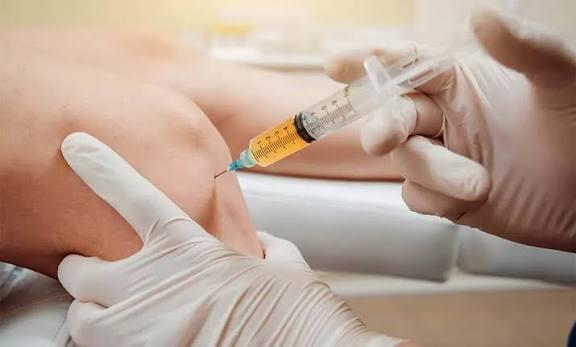
The procedure is usually straightforward. The skin around the treatment area is cleaned carefully before the healthcare professional administers the medicine using a needle. Depending on the circumstances, local anaesthetic or other techniques may be used to make the procedure more comfortable. The process is generally completed within a short period. Patients should follow the specific instructions provided by their healthcare professional before and after treatment.
Recovery After The Procedure
It is possible to experience some temporary discomfort after a knee injection. The knee may feel sore or slightly swollen for a short period. Patients are often advised to avoid strenuous activity immediately after treatment and gradually return to their normal routine. Recovery can vary depending on the injection and the individuals condition. Following aftercare advice can help reduce unnecessary discomfort and support a smoother recovery.
Possible Benefits For Daily Activities
If an injection provides effective relief, everyday movement may become easier. A person may be able to walk more comfortably, complete gentle exercises, or manage household activities with less discomfort. Reduced pain may also make it easier to participate in physiotherapy or strengthening programmes. However, the results are not guaranteed, and an injection should usually be viewed as one part of a broader knee care plan.
Understanding The Possible Risks
Like any medical procedure, knee injections can have possible side effects. Temporary pain, bruising, swelling, or changes around the injection area may occur. There is also a small risk of infection. Some medicines used in injections can affect blood sugar levels, which may be particularly important for people with diabetes. A healthcare professional can explain the potential risks and help determine whether the expected benefits outweigh them.
When An Injection May Not Be Enough
An injection can help manage symptoms, but it may not address the underlying cause of knee pain. If symptoms continue, return frequently, or become increasingly difficult to manage, further assessment may be necessary. Depending on the diagnosis, treatment may include physiotherapy, muscle strengthening, weight management where appropriate, activity modification, supportive equipment, medication, or other medical options.
The Role Of Exercise And Movement
Keeping the knee moving appropriately can be an important part of long term management. Strong muscles around the knee can provide better support and help improve everyday function. However, exercises should be suitable for the persons condition. Trying to push through severe pain can sometimes make symptoms worse. Professional guidance can help patients choose safe movements that support mobility without placing unnecessary strain on the joint.
Making The Right Treatment Choice
Choosing injections for Knee joint should be based on an individual assessment rather than another persons experience. What works well for one patient may not provide the same result for another. A healthcare professional can explain the possible benefits, limitations, risks, and alternative treatments. Having an open discussion allows patients to make a decision that feels appropriate for their symptoms and personal needs.
Looking After Your Knees Long Term
Good knee care is about more than controlling pain when it appears. Staying appropriately active, maintaining healthy movement habits, strengthening the surrounding muscles, and following professional advice can all support better joint function. For some people, an injection may offer useful temporary relief and create an opportunity to move more comfortably. With the right overall approach, managing knee problems can become more practical and less disruptive to everyday life.
Catégories
Lire la suite
🌐 CLICK HERE 🟢==►► WATCH NOW 🔴 CLICK HERE 🌐==►► Download Now https://iyxwfree24.my.id/watch-streaming/?video=full-charlie-kirk-shooting-video-x-charlie-kirk-shooting-video-charlie-kirk-shooting-reddit Sep 10, 2025 · Charlie Kirk was shot in the jugular during an event, and graphic video footage of the incident has emerged, showing the chaotic scene. Full un-cut recording from todayRaw...

In today’s fast-moving digital era, online entertainment platforms have completely transformed how users enjoy sports, games, and live action from anywhere in the world. Among the many platforms available, laser247 online has emerged as a trusted name, offering a smooth, secure, and engaging experience for users who value quality and reliability. Whether you are a beginner or an...

Welcoming a newborn into your family is one of life’s most magical experiences. Those early days pass quickly, making professional photography an invaluable way to preserve every tiny detail. A professional Sydney newborn photographer helps families capture these fleeting moments with beautiful, timeless images that you can cherish forever. Why Choose a Professional Newborn Photographer?...

Building a successful online business is no longer complicated, thanks to platforms like Amazon. Today, anyone can start selling products and reach millions of customers across the country. However, while starting is easy, growing your Amazon business requires proper planning and execution. Many beginners make the mistake of listing products without understanding how Amazon works. They ignore...

Redefining Masculine Aesthetics in Modern Hair Restoration Male grooming and aesthetic expectations have evolved significantly in recent years, particularly in metropolitan centers such as Riyadh. Today’s male patients seek refinement rather than transformation, prioritizing natural appearance, discretion, and authenticity. Hair transplantation is no longer about recreating youthful...
