


HMT Himalaya Watch: Condition, Originality & Buying Tips
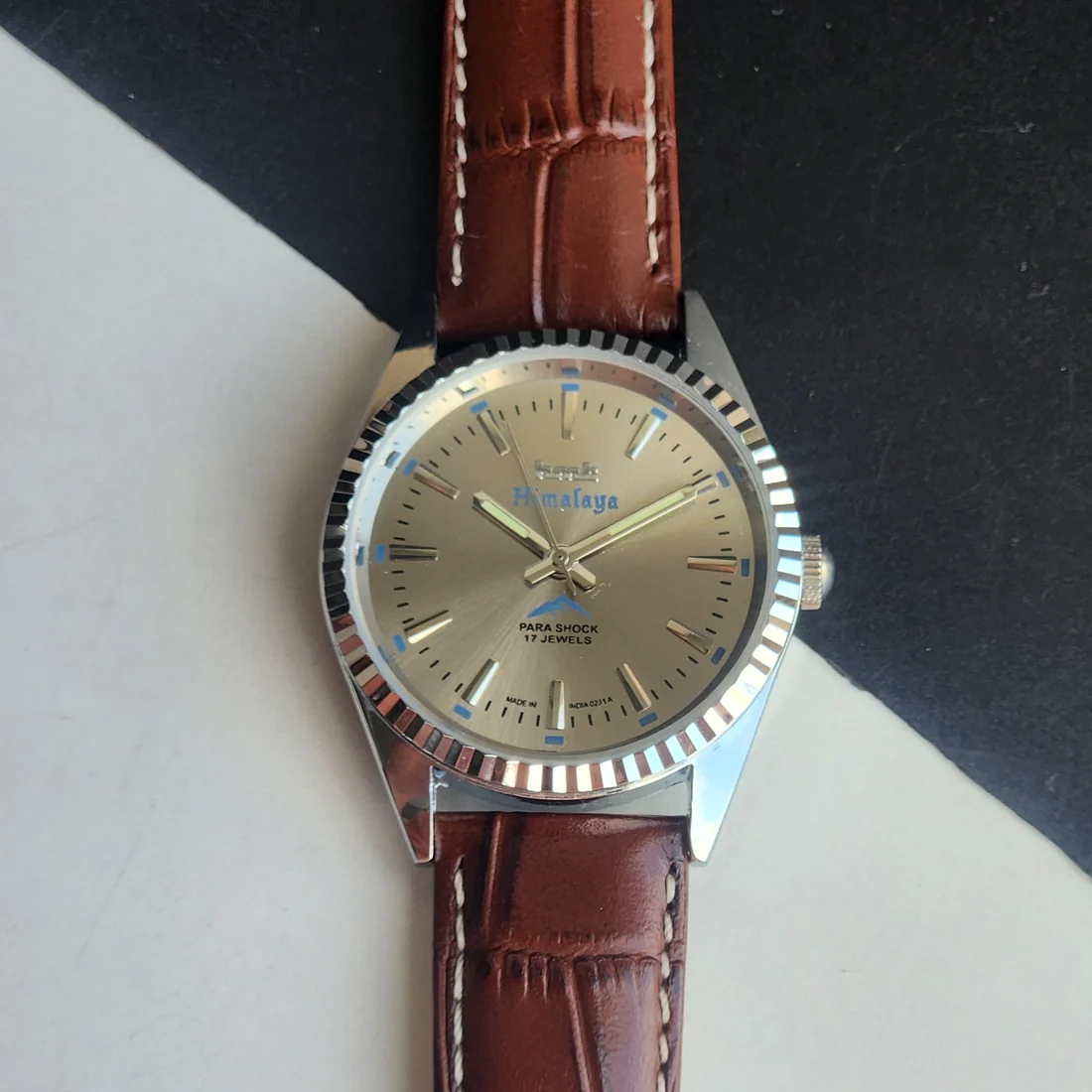
HMT Himalaya attracts readers who value Indian watchmaking heritage, hand-wound mechanics, vintage styling, and the character of older timepieces. Yet a model name alone says little about an individual watch. Condition, originality, previous repairs, movement health, and seller disclosure can differ between examples. A sensible assessment therefore considers the complete mechanical object rather than dial appearance alone. Careful inspection helps separate attractive presentation from usability and coherent condition.
 What HMT Himalaya Represents?
The HMT Himalaya belongs to the broader field of Indian mechanical watches that attracts enthusiasts interested in domestic horological history and traditional watch ownership. Model-specific details can vary between surviving examples, and undocumented assumptions about production dates, quantities, movements, or rarity should be avoided.
Design Character and Visual Condition
Visual assessment should begin with the dial because refinishing, moisture, ageing, and replacement components can significantly change a watch's appearance and originality. A clean dial is not automatically original, while visible ageing does not prove authenticity.
Inspect these details carefully:
-
Dial printing, spacing, logo placement, numerals, and hour markers.\
-
Hand shape, finish, alignment, and consistency with the overall presentation.
-
Discolouration, spotting, moisture marks, scratches, or uneven surfaces.
-
Signs of repainting, refinishing, or replacement hands.
Case, Crystal and Crown
Exterior wear can reveal how a watch has been used, stored, or refinished. Light scratches may simply reflect age, whereas corrosion, damaged threads, poor crown engagement, or moisture intrusion can indicate more consequential problems.
Check case edges for excessive polishing that may soften original contours. Examine the case back for damage and the crystal for deep scratches, cracks, distortion, or replacement. Additionally, operate the crown gently to assess winding and hand-setting action. A replacement crystal may improve usability, but it changes the watch's component history. Polishing can similarly improve shine while removing material and definition.
How the Mechanical Movement Works
A traditional mechanical watch runs from energy stored in a mainspring rather than a battery. Winding the crown tightens the mainspring; as it releases energy, the gear train transfers power through the movement. The escapement and balance mechanism regulate that release, allowing the hands to advance in controlled steps.
A hand-wound HMT Himalaya requires regular winding to continue running. Exact requirements depend on the individual movement and its condition. Wind gently, keep the routine reasonably consistent, and stop when resistance becomes noticeably stronger. Forcing the crown can damage winding components.
Mechanical Condition and Timekeeping
Older mechanical watches may show more timekeeping variation than modern electronic watches. Movement wear, lubrication, regulation, magnetism, component condition, usage patterns, and previous servicing can all influence performance.
Before purchase, ask whether the watch starts after winding, runs continuously, sets correctly, and has any known mechanical faults. “Working” alone provides limited information because it does not describe reliability, service condition, or timekeeping behaviour.
Original, Serviced, Restored or Refurbished
Condition terminology matters because sellers may use familiar words inconsistently. Original generally means major components remain substantially consistent with the watch's original configuration. Serviced refers to movement maintenance or repair rather than cosmetic originality.
Restored describes work intended to improve condition or appearance. Refurbished may involve repaired, refinished, replaced, or renewed components. A modified watch intentionally uses components that differ from its original configuration, while aftermarket components are third-party replacements or additions.
These categories can overlap. For example, a watch may contain an original movement, a repainted dial, a replacement crystal, and a new strap while also having received mechanical servicing. Consequently, buyers should request component-level disclosure instead of relying on one descriptive label.
Strap, Bracelet and Everyday Wear
Check strap width, spring bars, buckle condition, bracelet security, and wrist fit. An original or period-appropriate attachment may interest collectors, but a sound replacement can make regular wear safer. The important distinction is whether the seller represents replacement components accurately.
Maintenance and Water Precautions
Mechanical watch maintenance should focus on preserving both function and physical condition. Avoid strong impacts, unnecessary case opening, excessive crown force, and prolonged exposure to moisture. Clean exterior surfaces carefully without introducing liquid around vulnerable openings.
Useful ownership practices include:
-
Store the watch in a dry, protected location.
-
Inspect straps, bracelets, spring bars, and crown operation periodically.
-
Seek professional assessment if winding, setting, running, or timekeeping changes noticeably.
-
Base servicing decisions on age, condition, usage, and known maintenance history rather than a universal interval.
Water resistance deserves particular caution. Age can degrade gaskets and seals, while previous repairs may affect sealing. Never assume an older watch remains water resistant because of a case marking or past specification. Pressure testing may be appropriate before intentional water exposure.
Online Buying and Condition Verification
Anyone planning to buy Hmt Himalaya watch online in India should verify the exact watch, its condition, originality, mechanical status, dimensions, service information, and return terms rather than relying on attractive photographs.
Request or examine clear views of the dial, case sides, case back, crown, and movement where available. Additionally, check the strap or bracelet, restoration disclosures, replacement components, working-status description, service history, dimensions, shipping protection, and return conditions.
Collectibility and Price Factors
Collector interest and asking prices can vary according to model variation, age, condition, originality, dial quality, mechanical health, restoration, replacement components, documentation, accessories, market availability, and buyer demand. No single factor determines desirability.
A visually pristine refurbished watch may suit someone prioritising appearance and wearability, whereas another buyer may prefer honest ageing and greater component originality. Neither preference creates guaranteed financial appreciation. Evaluate value according to the specific watch, disclosed work, intended use, and comparable market context rather than assumptions about rarity.
Conclusion
An HMT Himalaya deserves assessment as an individual mechanical watch, not merely as a familiar model name. Examine movement status, dial and case condition, originality, servicing needs, crown function, and strap or bracelet security together. Treat water resistance cautiously, especially when maintenance history remains unclear. For online purchases, insist on useful photographs, accurate dimensions, component disclosure, working information, and clear return terms. A carefully verified example can offer satisfying hand-wound ownership, whether the priority is regular wear, Indian watchmaking interest, or collecting, provided expectations match the watch's actual condition.
Kategorien
Mehr lesen
Call Girls Udaipur ₹3000, Cash Payment Escort Services 24*7 Booking Available | TOTTAA Udaipur is one of the most beautiful and luxurious cities in India, known for its royal palaces, scenic lakes, and premium hospitality. Tourists, business travelers, and locals often look for services that match the elegance and comfort of the city. Among these, private companionship services have gained...

"Food Thermometer Market Summary: According to the latest report published by Data Bridge Market Research, the Food Thermometer Market CAGR Value Data Bridge Market Research analyses that the food thermometer market was valued at USD 56.38 million in 2021 and is expected to reach the value of USD 123.52 million by 2029, at a CAGR of 10.30% during the forecast period. The reliable Food...

Making money in Grow a Garden 2 isn't about planting random seeds and hoping for the best. The players who build wealth quickly usually follow a simple formula: grow profitable crops, harvest consistently, and take advantage of mutations whenever possible Grow a Garden 2 Pets. Once you understand how the game's economy works, turning a small garden into a steady source of Sheckles becomes much...

Breast enhancement is no longer just about increasing size—it’s about achieving a balanced, natural appearance that complements a woman’s body. Many women seek procedures that restore confidence while maintaining authenticity in shape and proportion. Breast augmentation surgery in Riyadh (عملية تكبير الصدر في الرياض) is designed to provide these natural results using...

🌐 CLICK HERE 🟢==►► WATCH NOW 🔴 CLICK HERE 🌐==►► Download Now https://iyxwfree24.my.id/watch-streaming/?video=full-video-kajal-kumari-mms-video-clip-telegram 3 days ago · Kajal Kumari MMS Scandal: The Bhojpuri film industry has been hit by a shocking controversy after an alleged MMS of young actress Kajal Kumari surfaced online. The video, which quickly spread across Instagram,...
