


How Can TSCM Services Protect Your Business From Hidden Surveillance?
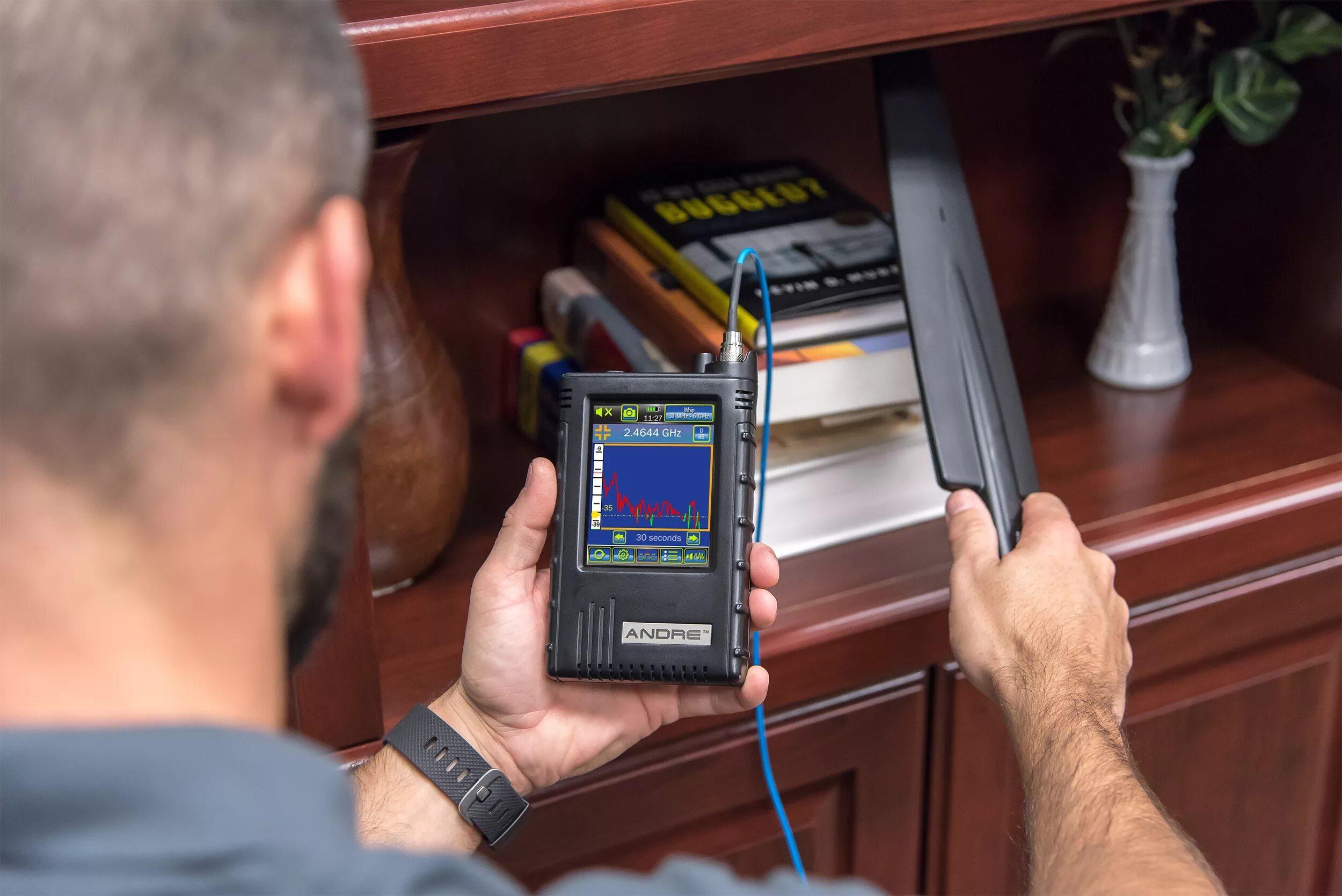
In an increasingly connected world, protecting confidential conversations and sensitive information has become a serious security priority. TSCM services are designed to help businesses, organizations, and individuals identify potential technical surveillance threats before confidential information is compromised. From hidden cameras and unauthorized microphones to suspicious radio-frequency transmissions, professional TSCM inspections can reveal surveillance risks that may not be visible during a normal security check.
Sensitive meetings, executive discussions, financial negotiations, legal consultations, and strategic planning can all become targets for unauthorized monitoring. A surveillance device does not always need to be obvious to create a serious problem. Modern devices can be extremely small, wireless, and difficult to detect without specialist equipment and expertise.
For organizations handling confidential information, a professional technical surveillance inspection provides an additional layer of protection. Rather than relying only on physical security measures, businesses can investigate whether their environment has been compromised by unauthorized monitoring technology.
What Are TSCM Services?
TSCM stands for Technical Surveillance Counter-Measures. These services involve systematic inspections designed to identify technical surveillance devices, vulnerabilities, and suspicious signals within a specific environment.
A professional TSCM assessment may examine offices, boardrooms, vehicles, residential properties, hotel rooms, conference spaces, or other sensitive locations. The purpose is to determine whether unauthorized surveillance technology may be present or whether technical vulnerabilities could expose private information.
Depending on the environment and assessment requirements, an inspection may include:
- Detection of hidden microphones
- Identification of concealed cameras
- Radio-frequency analysis
- Inspection for wireless transmitters
- Physical examination of suspicious equipment
- Detection of unusual electronic activity
- Analysis of communication and network-related risks
- Inspection of vehicles and sensitive meeting areas
The exact approach will depend on the location, potential threat level, and objectives of the client.
Why Are TSCM Services Important for Modern Businesses?
Businesses regularly handle information that could be valuable to competitors, criminals, or unauthorized individuals. Corporate strategies, acquisition plans, financial information, customer records, intellectual property, and executive conversations may all require protection.
Traditional security measures such as locks, access-control systems, alarms, and CCTV are important, but they do not necessarily identify covert electronic surveillance.
This is where TSCM services can provide additional value.
A properly conducted inspection can help organizations determine whether sensitive areas contain suspicious surveillance equipment or electronic activity. Potential risks can then be investigated and addressed before confidential information is exposed further.
Protecting Confidential Meetings
Board meetings and executive discussions often involve information that should remain private. If unauthorized listening equipment has been installed nearby, sensitive conversations could potentially be captured without the participants knowing.
Regular technical surveillance assessments can help businesses maintain greater confidence in their meeting environments.
Protecting Intellectual Property
Research, product development, software development, engineering designs, and business strategies can represent significant investments. Unauthorized surveillance could expose commercially valuable information.
Technical inspections can therefore form part of a broader intellectual property protection strategy.
Supporting Corporate Security
Security is rarely dependent on a single technology. A layered approach is normally more effective.
TSCM assessments can complement:
- Physical security
- Cybersecurity
- Access control
- Employee security policies
- Information governance
- Network security
- Confidentiality procedures
What Can a Professional TSCM Inspection Detect?
The capabilities of an inspection depend on the equipment used, the environment, and the expertise of the professionals conducting the assessment. However, several categories of potential threats may be investigated.
Hidden Microphones
Covert audio surveillance devices can potentially be concealed inside everyday objects or building components. Because some devices are extremely small, visual inspection alone may not be sufficient.
Specialist technical inspection methods can be used to investigate areas where unauthorized audio surveillance may be suspected.
Hidden Cameras
Cameras can be concealed in objects, fixtures, furniture, or other locations. A professional inspection may look for visual, electronic, and transmission-related indicators associated with concealed camera systems.
Wireless Transmitters
Wireless surveillance devices may transmit information using radio-frequency signals. RF analysis can help identify unusual transmissions that warrant further investigation.
Suspicious Electronic Devices
Not every electronic signal indicates surveillance. Many legitimate devices produce electromagnetic or radio-frequency activity. For this reason, findings should be evaluated by experienced professionals rather than automatically treated as evidence of spying.
How Do TSCM Services Usually Work?
A professional inspection generally follows a structured process. The exact methodology varies between providers, but the overall approach is often based on understanding the environment, assessing risks, conducting technical inspections, and documenting findings.
1. Initial Security Assessment
The process normally begins with a discussion of the client's concerns and the location being assessed.
Relevant information may include:
- The type of property
- Previous security incidents
- Sensitive areas
- Recent renovations or changes
- Known security concerns
- The type of information being protected
This information helps determine the scope of the inspection.
2. Physical Inspection
The physical environment is examined for unusual devices, modifications, wiring, objects, or other indicators that could require further investigation.
Furniture, fixtures, meeting areas, and other relevant locations may be assessed depending on the scope of the engagement.
3. Technical Analysis
Specialized equipment can be used to analyze the electronic environment. Radio-frequency activity and other technical indicators may be examined to identify anomalies.
Potential findings are then evaluated in context because legitimate wireless equipment can generate signals that resemble suspicious activity.
4. Investigation of Findings
Suspicious findings should not immediately be classified as surveillance devices. Further examination may be required to determine their source and significance.
Professional judgment is important at this stage because false positives can occur in technically complex environments.
5. Reporting and Recommendations
After the inspection, findings are normally documented in a report. Recommendations may then be provided to address identified risks.
Where appropriate, additional inspections may also be recommended.
Who Can Benefit From TSCM Services?
TSCM services are not limited to large corporations. Any individual or organization responsible for highly confidential information may have a reason to consider a technical surveillance assessment.
Potential users include:
- Corporate executives
- Law firms
- Financial organizations
- Government-related organizations
- Research and development companies
- Technology businesses
- Security-conscious individuals
- Organizations involved in sensitive negotiations
- Companies managing valuable intellectual property
For businesses operating in competitive industries, protecting confidential information can be particularly important.
When Should You Consider a TSCM Inspection?
There is no single situation in which a technical surveillance assessment is appropriate. Organizations may consider an inspection when they identify unusual circumstances or when the consequences of information leakage could be significant.
A TSCM inspection may be considered when:
- Sensitive information may have been exposed
- A confidential meeting is planned
- A business is involved in a major negotiation
- A merger or acquisition is being discussed
- A new executive office is being occupied
- A sensitive facility has recently been renovated
- Suspicious devices have been discovered
- There are concerns about unauthorized monitoring
- A high-value business meeting will take place
Some organizations also conduct inspections periodically as part of a wider security program.
Why Professional Expertise Matters
Attempting to identify sophisticated surveillance technology without appropriate knowledge can be difficult. Modern buildings contain numerous legitimate electronic systems, including Wi-Fi equipment, Bluetooth devices, mobile networks, smart appliances, security systems, and other connected technologies.
As a result, unusual signals do not automatically mean that surveillance is taking place.
Professional TSCM specialists use structured inspection methodologies and specialist equipment to distinguish potential threats from normal environmental activity. Findings should be interpreted carefully, and conclusions should be based on evidence rather than assumptions.
The inspection process should also be conducted discreetly when confidentiality is important. Sensitive security assessments are often handled with strict information-management procedures.
TSCM and Physical Security: What's the Difference?
Physical security is primarily focused on preventing unauthorized people from accessing a property, facility, or restricted area.
TSCM focuses on a different risk: unauthorized technical surveillance.
For example, access controls may prevent an unauthorized person from entering a boardroom, but they may not identify a surveillance device that was previously installed inside the room.
This is why the two approaches can work together.
A comprehensive security strategy may combine:
- Physical access protection
- Cybersecurity controls
- Information security policies
- Employee awareness
- Technical surveillance assessments
Each layer addresses a different type of threat.
How Often Should TSCM Services Be Used?
The appropriate inspection frequency depends on the organization's risk profile.
A company handling highly sensitive information may require more frequent assessments than a business with limited confidential operations. Major organizational changes, office relocations, security incidents, or significant negotiations may also justify an additional inspection.
There is no universal schedule that works for every organization. A risk-based approach is generally more practical.
For example, periodic assessments could be considered for high-security environments, while event-based inspections may be appropriate before particularly sensitive meetings.
What Should You Look for in a TSCM Provider?
Choosing an experienced provider is important because the quality of an inspection depends heavily on methodology, equipment, expertise, and reporting.
Before selecting a provider, consider:
- Relevant technical experience
- Professional qualifications and training
- Clear inspection methodology
- Appropriate specialist equipment
- Confidentiality procedures
- Detailed reporting
- Transparent scope of work
- Experience with similar environments
- Professional references where available
A reputable provider should also explain what the inspection can and cannot determine. Clear communication is important because no technical inspection should be presented as an absolute guarantee that every possible threat will be discovered.
Final Thought
Confidential information has become one of the most valuable assets a modern organization possesses, and protecting it requires more than traditional security measures. TSCM services provide a specialized approach for investigating potential technical surveillance risks and helping organizations understand the security of sensitive environments. When supported by professional expertise, appropriate equipment, careful analysis, and a broader security strategy, TSCM assessments can provide valuable insight into potential surveillance threats. For businesses where privacy and confidentiality matter, making technical security part of the overall protection strategy can be a sensible step toward reducing avoidable information-security risks.
Kategoriler
Devamını oku
Fire TV devices and the Amazon Appstore limit which country-specific applications you can see and install. To unlock apps from another region you usually need two things: a VPN that gives your Firestick an IP address in the target country, and an Amazon account set to that same country.\n Choose a VPN that actually works with streaming and Fire TV. Look for providers with a dedicated Fire...

A fresh creative partnership emerges as Netflix commissions a new eight-episode drama. The project, currently untitled, will be produced by the UK's New Pictures, under the leadership of Charlie Pattinson, Elaine Pyke, and Willow Grylls. Hania Elkington and Simon Duric are the series creators and writers, bringing the original concept to life. Farren Blackburn joins as an executive producer...
According to the latest report published by Data Bridge Market Research, the Dysmenorrhea Treatment Market CAGR Value Data Bridge Market Research analyses a growth rate in the dysmenorrhea treatment market in the forecast period 2023-2030. The expected CAGR of dysmenorrhea treatment market is tend to be around 8.8% in the mentioned forecast period. All the data and...
In today's competitive business environment, time, professionalism, and comfort are more important than ever. Whether attending corporate meetings, airport transfers, conferences, or special events, reliable transportation plays a significant role in creating a seamless travel experience. Professional transportation providers offer luxury vehicles, experienced chauffeurs, and personalized...

🔴📺📱👉 CONTINUE WATCHING...https://iyxwfree24.my.id/watch-streaming/?video=michael-jordan-video-going-viral-as-debate-erupts-over-post-race-interaction-with-tyler-reddicks-son-at-daytona-500&source=webExploring the Buzz: Michael Jordan Video Going Viral As Debate Erupts Over Post Race Interaction With Tyler Reddicks Son At Daytona 500On the diplomatic front, India and France are moving beyond...