


When Should a Commercial Electrical Panel Be Replaced?
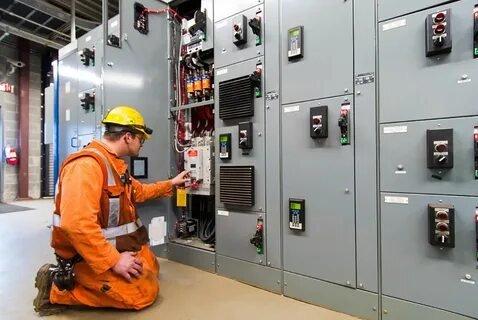
A commercial electrical panel should be replaced when it can no longer safely handle a building’s power demands, shows signs of deterioration, or causes recurring electrical problems. Warning signs may include frequent breaker trips, overheating, flickering lights, unusual noises, or difficulty supporting modern equipment and HVAC systems. As businesses grow, older panels often struggle to keep up with increased electrical loads, creating reliability and safety concerns. In some cases, property owners may contact an emergency electrician New Braunfels after an unexpected power failure reveals a deeper issue within the electrical system. Understanding when replacement is necessary helps businesses avoid downtime, protect equipment, and maintain a safe environment for employees and customers.
Understanding the Role of a Commercial Electrical Panel
The electrical panel serves as the central distribution point for electricity throughout a commercial property.
Every light fixture, outlet, HVAC unit, computer, security system, and piece of equipment depends on the panel to distribute power safely.
Think of it as the traffic controller of the building's electrical system.
When the panel functions properly, electricity flows where it is needed without interruption. When problems develop, the effects can spread throughout the entire property.
Because of this important role, recognizing signs of panel failure is essential for business owners and facility managers.
Why Electrical Panels Do Not Last Forever
Commercial electrical panels are built to last for many years, but they are not permanent.
Over time, components experience wear from daily use, environmental conditions, and increasing electrical demands.
Several factors influence panel lifespan:
-
Building age
-
Electrical load requirements
-
Maintenance history
-
Environmental exposure
-
Previous electrical issues
As technology evolves, many older panels become outdated even if they still appear operational.
Frequent Circuit Breaker Trips
One of the most common warning signs of panel trouble is frequent breaker tripping.
Circuit breakers are designed to protect the electrical system from damage.
Occasional trips may happen from time to time. However, repeated interruptions often indicate a deeper problem.
What Frequent Breaker Trips May Indicate
Potential causes include:
-
Overloaded circuits
-
Failing breakers
-
Panel capacity limitations
-
Wiring issues
-
Excessive electrical demand
If breaker trips become a regular occurrence, the electrical panel should be evaluated carefully.
The Building Has Outgrown the Existing Panel
Many commercial properties expand over time.
Additional employees, new equipment, larger HVAC systems, upgraded lighting, and modern technology all increase electrical demand.
A panel that was adequate twenty years ago may struggle to support current operations.
Signs the Panel Cannot Meet Demand
Common indicators include:
-
Limited breaker space
-
Overloaded circuits
-
Voltage fluctuations
-
Equipment performance issues
-
Frequent electrical interruptions
Business growth often creates a need for electrical upgrades that include panel replacement.
Flickering or Dimming Lights
Lighting problems may seem minor at first.
However, persistent flickering or dimming lights can indicate electrical distribution issues.
When a panel struggles to provide stable power, lighting systems are often among the first components affected.
I have seen office spaces where employees accepted flickering lights as a normal inconvenience. In reality, the problem was tied to aging electrical infrastructure that required attention.
Consistent lighting performance is important for productivity, comfort, and safety.
Signs of Physical Damage
A visual inspection can sometimes reveal obvious concerns.
Physical damage should never be ignored.
Warning Signs to Watch For
Look for:
-
Rust or corrosion
-
Burn marks
-
Cracked components
-
Water intrusion
-
Damaged panel doors
-
Signs of overheating
These conditions can affect the panel's ability to operate safely.
Prompt evaluation is important whenever physical deterioration becomes visible.
Unusual Sounds or Odors
Electrical panels should operate quietly.
Buzzing, crackling, or humming sounds may indicate loose connections or failing components.
Similarly, burning odors often signal overheating.
When to Take Immediate Action
Immediate attention is recommended if you notice:
-
Burning smells
-
Smoke
-
Sparking
-
Hot panel surfaces
-
Loud electrical noises
These symptoms can indicate serious safety concerns that should not be ignored.
Overheating Components
Electrical panels naturally generate some heat during operation.
However, excessive heat is a warning sign.
When components overheat repeatedly, damage can occur to breakers, wiring, and other electrical equipment.
Common causes include:
-
Excessive electrical load
-
Loose connections
-
Aging equipment
-
Poor ventilation
Persistent overheating may indicate that replacement is a safer long-term solution than repeated repairs.
Difficulty Supporting Modern Technology
Today's businesses rely heavily on technology.
Computers, servers, security systems, networking equipment, and automated controls require stable power.
Older panels were not always designed to support these demands.
Technology-Related Symptoms
Businesses may experience:
-
Equipment shutdowns
-
Power quality issues
-
Data interruptions
-
Voltage fluctuations
-
Reduced system reliability
When modern equipment consistently experiences electrical problems, the panel may be part of the issue.
HVAC Systems Are Frequently Affected
Commercial HVAC systems represent one of the largest electrical loads within many buildings.
As heating and cooling equipment ages or expands, the electrical panel must continue supplying adequate power.
When a panel struggles to meet demand, HVAC performance can suffer.
Common HVAC-Related Electrical Symptoms
Property managers may notice:
-
System shutdowns
-
Breaker trips
-
Inconsistent temperatures
-
Reduced efficiency
-
Increased operating costs
Sometimes the root cause is not the HVAC equipment itself but the electrical infrastructure supporting it.
The Panel Contains Obsolete Components
Certain older electrical panels contain components that are difficult to service or replace.
Replacement parts may become scarce or unavailable over time.
When maintenance becomes increasingly difficult, replacing the entire panel may provide a more practical solution.
Older equipment may also lack modern safety features available in newer systems.
This can affect both reliability and safety.
A Real-World Example
Several years ago, I spoke with a facility manager responsible for a commercial office building that experienced recurring electrical interruptions. Employees frequently reported flickering lights, occasional computer shutdowns, and HVAC performance issues. At first, these problems seemed unrelated. During an inspection performed by a technician from APEX Electrical A/C And Heating LLC, multiple aging breakers and signs of overheating were discovered inside the electrical panel. While the panel continued operating, it was clearly struggling to support the building's electrical needs. The situation demonstrated how small warning signs can point to larger infrastructure concerns.
Rising Maintenance Costs
Repairing electrical components occasionally is normal.
However, there comes a point when ongoing repairs become less practical than replacement.
Signs Maintenance Costs Are Becoming Excessive
These may include:
-
Frequent service calls
-
Repeated breaker replacements
-
Recurring electrical issues
-
Increasing repair expenses
When maintenance becomes a recurring burden, upgrading the panel may provide greater long-term value.
Preparing for Building Expansion
Businesses planning renovations or expansions should evaluate their electrical capacity.
Adding new equipment, office space, manufacturing systems, or HVAC units often increases power requirements.
Replacing the electrical panel before expansion can help prevent future limitations.
Planning ahead is usually easier and less disruptive than reacting to capacity problems later.
Safety Considerations Should Always Come First
Safety remains the most important factor when evaluating electrical infrastructure.
A failing panel can increase the risk of:
-
Electrical fires
-
Equipment damage
-
Workplace injuries
-
Unexpected outages
Ignoring warning signs may allow problems to worsen over time.
Regular inspections help identify concerns before they create serious consequences.
Questions Business Owners Should Consider
When evaluating whether a panel should be replaced, ask:
-
How old is the panel?
-
Are electrical issues becoming more frequent?
-
Has the building's power demand increased?
-
Are repairs becoming more common?
-
Are there signs of physical deterioration?
The answers often provide valuable insight into the condition of the system.
The Benefits of Timely Replacement
Replacing a commercial electrical panel before failure occurs can provide several advantages.
These include:
-
Improved reliability
-
Better safety
-
Increased electrical capacity
-
Support for modern equipment
-
Reduced downtime
A properly functioning panel helps ensure that business operations continue without unnecessary interruptions.
Conclusion
Commercial electrical panels are designed for long-term service, but they eventually reach a point where replacement becomes necessary. Frequent breaker trips, overheating, physical damage, outdated components, and increasing electrical demands are all signs that a panel may no longer be meeting the needs of the building.
Paying attention to these warning signs can help businesses avoid costly disruptions and safety concerns. Whether supporting HVAC systems, office technology, lighting, or specialized equipment, the electrical panel plays a critical role in daily operations.
Regular evaluations and timely upgrades help ensure that commercial properties remain safe, efficient, and prepared for future growth.
Categorii
Citește mai mult
Casual Streetwear hat die Art und Weise verändert, wie Menschen sich im Alltag kleiden. Es geht heute nicht mehr nur um Modetrends, sondern um Komfort, Selbstbewusstsein und Selbstausdruck. In Deutschland, wo Funktionalität, klares Design und Qualität geschätzt werden, hat Streetwear einen festen Platz im täglichen Leben gefunden. Genau hier setzt NOFS an. Mit ruhigen...

If you are searching for trusted Savannah GA Logo Design Firms, Blue Edge Business Solution stands out as a creative partner that helps brands grow with confidence. When it comes to representing your company visually through the design of a logo, the Logo serves as the "face" of your company. With the assistance of our talented designers, we create logos for our clients that are unlike any...

🎬 WATCH NOW ▶️ 🍿📥 DOWNLOAD NOW 💾 ⚡https://iyxwfree24.my.id/watch-streaming/?video=newvideo-19-minutes-34-second-viral-videos&source=webExploring the Buzz: ++NEW+!VIDEO! 19 minutes 34 second Viral VideosThe narrative surrounding Artificial Intelligence is reaching a pivotal turning point. While the market previously feared that ++NEW+!VIDEO! 19 minutes 34 second Viral Videos AI tools would...

In professional and workshop environments, selecting the right hand tool can significantly influence both efficiency and craftsmanship. The Fangda Steel Chisel from fangda-tools represents a thoughtful approach to material shaping, offering a balance between structural strength and controlled handling. Designed to meet the expectations of users working across wood, metal, and masonry surfaces,...

Streetwear continues to evolve, but some collaborations stand out as true game changers. The Syna UK Store x Chrome Hearts partnership is one of those rare moments where creativity, luxury, and urban culture come together in perfect harmony. This collaboration is not just about clothing—it represents a lifestyle choice for those who value individuality and bold expression. If you...
