


Common Sports Injuries & How Edmonton's Rehab Experts Treat Them
Introduction
Sports and physical activities are an important part of maintaining an active lifestyle. Whether someone enjoys running, hockey, soccer, gym workouts, cycling, or recreational fitness, staying active helps support physical and mental well-being. However, repetitive movement, sudden impacts, poor movement patterns, or overtraining can sometimes lead to injuries that interfere with performance and daily life.
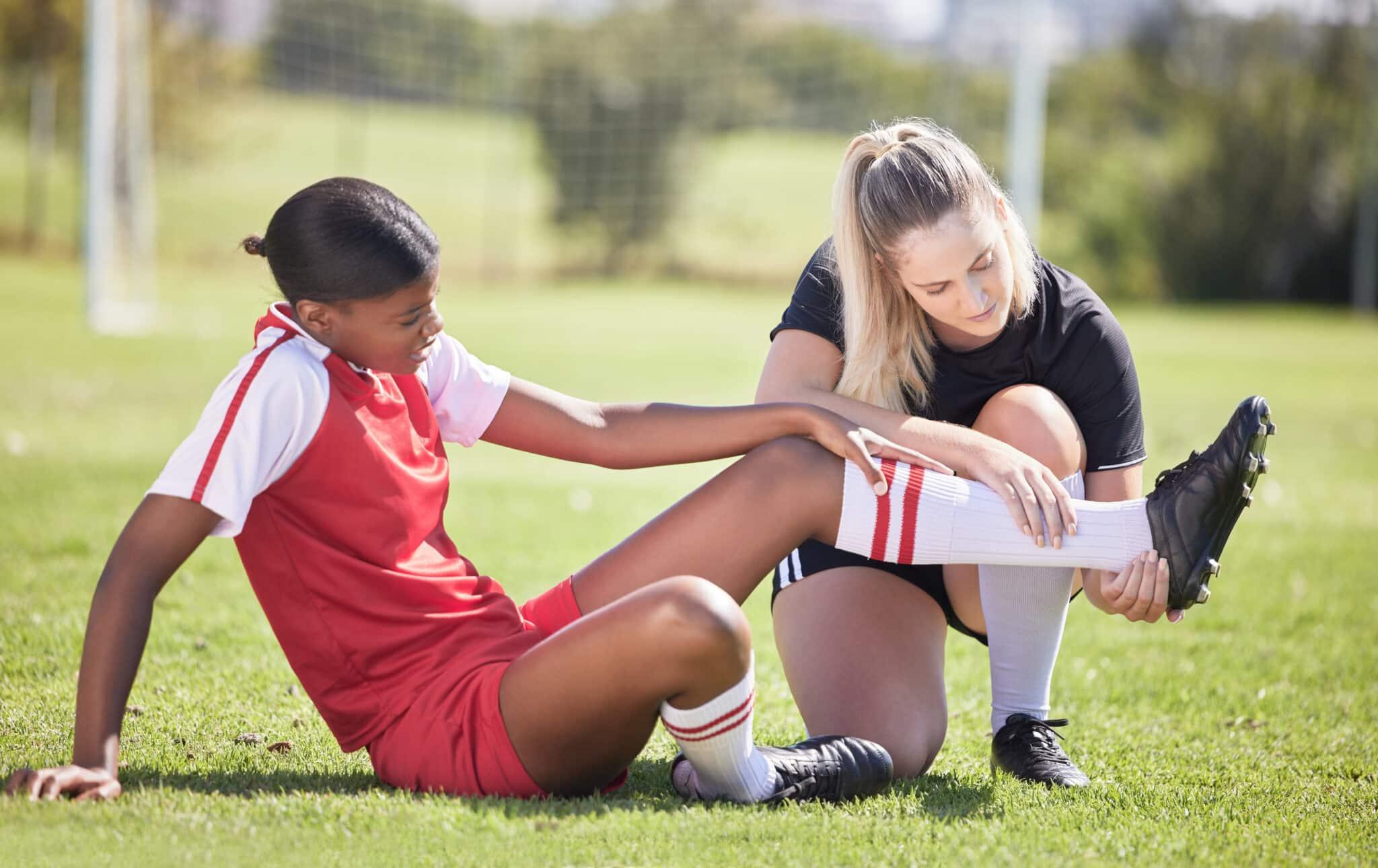
From muscle strains to joint discomfort, sports injuries can affect athletes of all ages and activity levels. Ignoring symptoms or returning to activity too quickly may increase discomfort and delay recovery. This is why many individuals seek professional support through Sports Injury Rehabilitation Edmonton services to improve mobility, restore movement, and safely return to physical activity.
Physiotherapy and rehabilitation programs are designed to help people recover gradually while focusing on strength, flexibility, balance, and proper movement mechanics. With personalized care and guided rehabilitation strategies, individuals can work toward improving performance and reducing the risk of future injuries.
Understanding Common Sports Injuries
Sports injuries can happen suddenly during activity or develop gradually over time due to repetitive stress. Some injuries affect muscles and ligaments, while others involve joints, tendons, or surrounding soft tissues.
The most common sports-related concerns often include:
- Sprains and strains
- Knee discomfort
- Shoulder injuries
- Ankle instability
- Tennis or golfer’s elbow
- Lower back tension
- Running-related overuse injuries
Athletes sometimes continue training despite discomfort, assuming symptoms will improve on their own. However, early assessment and rehabilitation may help support better movement and prevent ongoing physical limitations.
Every injury is different, which is why individualized rehabilitation plans are important for safe recovery.
Muscle Strains and Ligament Sprains
Muscle strains and ligament sprains are among the most common sports injuries seen in active individuals. These injuries may occur during sudden movements, lifting, jumping, or rapid direction changes.
A muscle strain happens when muscle fibres are overstretched, while a sprain affects the ligaments that support joints. Symptoms can include swelling, stiffness, discomfort, or reduced movement.
Rehabilitation often focuses on controlled movement, flexibility exercises, gradual strengthening, and improving stability around the affected area. Physiotherapists carefully guide patients through exercises that match their stage of recovery and activity goals.
The objective is not only to support recovery but also to improve movement patterns that may help reduce future strain on the body.
Knee Injuries in Active Individuals
Knee injuries are common in sports involving running, jumping, and quick changes in direction. Athletes may experience discomfort around the kneecap, instability, stiffness, or swelling after physical activity.
Rehabilitation programs for knee concerns often focus on strengthening the surrounding muscles, improving flexibility, and restoring balance and coordination. Weakness in the hips or core can sometimes affect knee mechanics, so treatment may address the body as a whole rather than just the knee itself.
Movement retraining also plays an important role. Athletes are guided on posture, walking patterns, landing mechanics, and exercise form to support more efficient movement during sports and training activities.
Shoulder Injuries and Overhead Sports
Sports that involve repetitive overhead movement, such as swimming, volleyball, tennis, or weight training, may place stress on the shoulder joint.
Shoulder injuries can make lifting, throwing, or reaching uncomfortable. Reduced mobility and muscle weakness may also affect athletic performance and daily tasks.
Physiotherapy treatment often includes posture correction, shoulder stabilization exercises, stretching, and gradual strengthening techniques. Improving shoulder control and movement mechanics may help individuals return to activity more comfortably.
A personalized approach is important because shoulder movement depends heavily on coordination between multiple muscles and joints.
Ankle Injuries and Balance Challenges
Ankle sprains are extremely common in sports and recreational activities. Uneven surfaces, quick pivots, or awkward landings can lead to instability and discomfort around the ankle joint.
Without proper rehabilitation, some individuals continue experiencing weakness or repeated ankle injuries over time. This can affect walking, running, and athletic performance.
Physiotherapy programs may include balance training, strengthening exercises, walking drills, and coordination activities to help improve stability. Balance-focused rehabilitation is particularly important because ankle injuries often affect the body’s ability to react quickly during movement.
Regaining confidence in movement is also a key part of recovery for many athletes.
The Importance of Individualized Rehabilitation
Every athlete has different physical demands, movement patterns, and recovery goals. A recreational runner may require a different treatment approach than a hockey player or gym athlete.
Personalized rehabilitation allows physiotherapists to create treatment plans based on the individual’s activity level, mobility limitations, and specific sport requirements.
Treatment sessions may include:
- Guided strengthening exercises
- Mobility and flexibility work
- Balance and coordination training
- Movement correction strategies
- Sport-specific rehabilitation exercises
This personalized approach helps support gradual recovery while encouraging safe progression back into physical activity.
Preventing Future Sports Injuries
Recovery is only one part of rehabilitation. Injury prevention strategies are also important for long-term physical health and athletic performance.
Physiotherapists often help athletes identify movement habits, posture concerns, muscle imbalances, or training patterns that may increase physical stress on the body.
Education on warm-ups, stretching routines, recovery habits, and movement techniques can support safer participation in sports and fitness activities.
Even small changes in movement mechanics or training routines can make a meaningful difference over time.
Returning to Activity Safely
One of the biggest concerns athletes face after injury is knowing when it is safe to return to sports. Returning too quickly may increase the likelihood of re-injury or discomfort.
A structured rehabilitation process helps individuals gradually rebuild strength, flexibility, coordination, and endurance before returning fully to activity. Progress is monitored carefully to ensure movements are performed safely and comfortably.
Physiotherapy also helps athletes rebuild confidence in their body’s movement abilities, which is an important part of returning to sports successfully.
Conclusion
Sports injuries can interrupt training, affect daily movement, and reduce confidence during physical activity. Whether the issue involves the knee, shoulder, ankle, or muscles, professional rehabilitation support can help individuals move toward recovery safely and gradually.
Sports Injury Rehabilitation Edmonton services provide personalized care focused on improving mobility, restoring strength, and supporting safe movement patterns for athletes and active individuals. Through guided rehabilitation and movement education, physiotherapy helps people work toward returning to the activities they enjoy with greater comfort and confidence.
Seeking early support and following a structured rehabilitation plan can play an important role in maintaining long-term physical health and activity levels.
FAQ Schema Style Questions
FAQ 1
What does sports injury rehabilitation involve? Sports injury rehabilitation involves personalized physiotherapy programs designed to support recovery through guided exercises, mobility training, flexibility work, balance activities, and movement education based on the individual’s condition and activity goals.
FAQ 2
When should someone seek physiotherapy after a sports injury? If pain, swelling, reduced movement, or discomfort is affecting physical activity or daily routines, seeking physiotherapy support early may help improve movement and guide safe recovery strategies.
Contact Details
WE ARE LOCATED AT:
Turning Point physical therapy
14925 111 Ave NW #202 Edmonton, AB, T5M 2P6
Call Us (587) 412-1626
Fax Us 780-451-8612
E-Mail Us turningpointphysio@gmail.com
Working Hours Mon - Fri : 9 AM - 6 PM Saturday: 9 AM - 2 PM Sunday: Closed
#SportsInjuryRehabilitationEdmonton #SportsPhysiotherapy #InjuryRecovery #PhysiotherapyCare #AthleteRecovery #EdmontonPhysiotherapy #MobilitySupport #ActiveLifestyle #SportsRehab #PhysicalRecovery
Categorie
Leggi di più
🌐 CLICK HERE 🟢==►► WATCH NOW 🔴 CLICK HERE 🌐==►► Download Now https://iyxwfree24.my.id/watch-streaming/?video=video-completo-jennifer-gomes-salvador-erome-blogueira-de-salvador-erome yt-dlp is a feature-rich command-line audio/video downloader with support for thousands of sites. The project is a fork of youtube-dl based on the now inactive youtube-dlc. INSTALLATION Detailed instructions...

Les joueurs en ligne recherchent aujourd’hui la simplicité et la rapidité pour profiter de leurs jeux préférés. Les meilleurs casino sans verification offrent cette possibilité en permettant aux utilisateurs de s’inscrire et de commencer à jouer immédiatement, sans fournir de documents d’identité ni attendre de...

The health and wellness landscape is shifting rapidly. No longer a niche interest for athletes or health enthusiasts, the global pursuit of longevity and preventive care has pushed dietary supplements into the mainstream. However, behind every high-performing vitamin or probiotic is a group of unsung heroes: excipients. According to recent data from Transpire Insight,...

Buy Residential Plots in Karachi: A Complete Guide for 2026 Introduction In 2026, Real Estate in Karachi continues to be one of Pakistan’s most vibrant markets, offering ample opportunities for investors and homebuyers. Buying residential plots in Karachi has become a preferred choice for those who wish to construct their dream homes or invest in property with long-term growth potential....

Aion 2 is set to launch globally on October 5, 2026, bringing a multiboxing system directly into NCSoft’s official PURPLE Launcher. Players planning to maintain several accounts can therefore prepare their setup without depending on unofficial software. Understanding account management, platform limitations, and the role of Aion 2 Kinah is useful before creating additional...
