Emergency Lighting Certificate in London: Ensuring Safety and Compliance
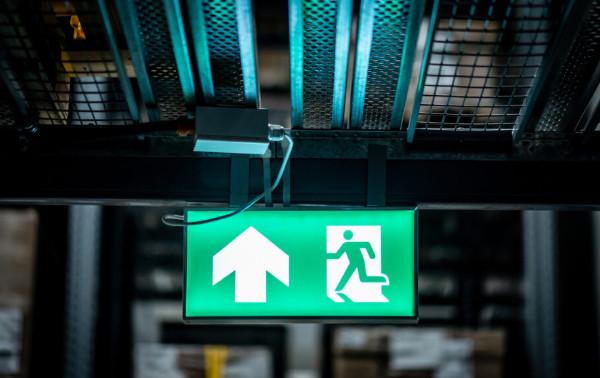
Emergency lighting plays a vital role in protecting people during unexpected situations such as power failures, fires, or electrical emergencies. In commercial buildings, residential properties, and public spaces across London, emergency lighting systems help occupants safely leave a building when normal lighting is unavailable.
An emergency lighting certificate in London confirms that a lighting system has been inspected, tested, and maintained according to required safety standards. It provides evidence that emergency lights are functioning correctly and that a building has suitable illumination for safe evacuation.
Whether you manage an office, shop, apartment building, school, warehouse, or public facility, having a valid emergency lighting certificate is an important part of your overall fire safety responsibilities.
What Is an Emergency Lighting Certificate?
An emergency lighting certificate is an official document issued after a qualified professional inspects and tests an emergency lighting system. The certificate confirms that the system has been checked and is operating correctly.
Emergency lighting is designed to activate when the main electrical supply fails. During a blackout or emergency situation, these lights provide visibility so people can locate exits and evacuate safely.
A certificate usually confirms that:
- Emergency lights are installed correctly
- Lighting levels are suitable
- Backup batteries operate properly
- Exit signs are visible
- Testing has been completed
- Any faults have been identified
This documentation helps property owners demonstrate that appropriate safety measures are in place.
Why Is Emergency Lighting Important in London?
London buildings vary greatly in size and design. Many properties have complex layouts, multiple floors, underground areas, and high numbers of occupants. In an emergency, poor visibility can create confusion and increase the risk of injury.
Emergency lighting helps by:
- Highlighting escape routes
- Illuminating emergency exits
- Reducing panic during power failures
- Helping occupants move safely
- Supporting fire evacuation procedures
A properly maintained emergency lighting system can make a significant difference during an emergency situation.
Who Needs an Emergency Lighting Certificate?
Emergency lighting certificates are important for many types of buildings, including:
Commercial Buildings
Offices, shops, restaurants, warehouses, and factories often require emergency lighting systems to protect employees, customers, and visitors.
Residential Properties
Apartment blocks, shared accommodation, and managed residential buildings may need emergency lighting in communal areas such as:
- Stairways
- Corridors
- Entrance areas
- Shared facilities
Public Buildings
Schools, hotels, healthcare facilities, and community buildings need reliable emergency lighting because they often have many people using the premises.
The Emergency Lighting Testing Process
Obtaining an emergency lighting certificate involves a detailed inspection and testing process.
Visual Inspection
The engineer checks the emergency lighting system for visible issues such as:
- Damaged fittings
- Broken signs
- Obstructions
- Incorrect positioning
- Physical damage
This ensures lights are properly installed and accessible.
Functional Testing
Emergency lights are tested to confirm they activate correctly when the main power supply is interrupted.
The engineer checks:
- Battery performance
- Light operation
- Automatic activation
- Indicator functions
Duration Testing
Emergency lights must operate for an appropriate amount of time during a power failure. A duration test confirms that batteries can provide sufficient illumination during an evacuation.
Inspection Report
After testing, the engineer prepares a report showing the condition of the system. If everything meets requirements, an emergency lighting certificate is issued.
Benefits of Having an Emergency Lighting Certificate
Improved Safety
The primary purpose of emergency lighting certification is protecting people. A tested system ensures occupants can safely navigate the building during an emergency.
Legal Compliance
Building owners and responsible persons have obligations to maintain safe premises. Emergency lighting certification provides evidence that safety checks have been completed.
Reduced Risk
Regular inspections help identify problems before they become dangerous. Faulty batteries, damaged lights, or poor positioning can be corrected before an emergency occurs.
Peace of Mind
Knowing your emergency lighting system has been professionally tested provides confidence that your property is prepared.
Common Emergency Lighting Problems Found During Testing
During inspections, engineers often discover issues such as:
Failed Batteries
Emergency lights rely on backup batteries. Over time, batteries lose capacity and may fail to provide enough operating time.
Damaged Light Fittings
Physical damage can prevent emergency lights from working properly when needed.
Poor Lighting Coverage
Some buildings may have areas where emergency lighting does not provide enough visibility.
Faulty Charging Systems
Emergency lights need charging circuits to keep batteries ready. Faults can prevent lights from operating during power loss.
Blocked Exit Signs
Emergency exit signs must remain clearly visible. Decorations, storage, or building changes can reduce visibility.
How Often Should Emergency Lighting Be Tested?
Regular testing is essential to keep emergency lighting reliable. Many properties carry out routine checks throughout the year, with more detailed inspections performed periodically.
Testing schedules may include:
- Regular visual checks
- Functional tests
- Full duration tests
- Professional inspections
The exact schedule depends on the building type, system design, and safety requirements.
Emergency Lighting Certificate for Businesses
For businesses in London, emergency lighting certification is an important part of workplace safety management. Employers must take reasonable steps to protect workers and visitors.
A valid certificate helps businesses show that they are actively maintaining safety systems.
Benefits for businesses include:
- Protecting staff and customers
- Supporting fire safety procedures
- Reducing disruption during emergencies
- Demonstrating responsible management
Choosing an Emergency Lighting Testing Service in London
Selecting a reliable emergency lighting provider is important. A qualified professional should have experience inspecting different types of properties and lighting systems.
When choosing a service, consider:
- Engineer experience
- Knowledge of safety standards
- Detailed inspection reports
- Clear certification process
- Professional customer service
A good provider will identify issues clearly and recommend practical solutions.
Emergency Lighting Installation and Upgrades
Older buildings may have outdated emergency lighting systems that no longer provide adequate protection. Upgrading to modern LED emergency lighting can improve reliability and reduce energy consumption.
Modern systems often provide:
- Longer battery life
- Lower maintenance needs
- Improved brightness
- Better efficiency
A professional assessment can determine whether your existing system requires repair, replacement, or upgrading. An emergency lighting certificate in London is an essential part of maintaining a safe property. Emergency lighting provides critical support during power failures and emergencies by helping occupants find safe escape routes.
Regular inspections, testing, and certification ensure that lighting systems remain reliable when they are needed most. Whether you own a business, manage a residential building, or operate a public facility, investing in emergency lighting compliance helps protect people, property, and peace of mind.
Frequently Asked Questions (FAQs)
1. What is an emergency lighting certificate?
An emergency lighting certificate confirms that a lighting system has been inspected and tested to ensure it works correctly during power failures or emergencies.
2. Is an emergency lighting certificate required in London?
Many commercial and managed properties require emergency lighting systems and regular testing to meet fire safety responsibilities.
3. How often should emergency lighting be tested?
Emergency lighting should be checked regularly, with professional inspections carried out according to the building’s needs and safety requirements.
4. How long does emergency lighting testing take?
The time required depends on the size of the building and number of emergency lights. Larger properties require more detailed inspections.
5. What happens if emergency lights fail a test?
If faults are found, repairs or replacements should be completed before the system can be considered fully reliable.
6. Do landlords need emergency lighting certificates?
Landlords and property managers may need emergency lighting in certain buildings, especially where shared escape routes and communal areas are present.
7. Can emergency lighting reduce fire risks?
Emergency lighting does not prevent fires, but it helps people evacuate safely by providing visibility during emergencies.
8. What areas need emergency lighting?
Common areas include corridors, staircases, exits, escape routes, and locations where people may need guidance during a power failure.
9. How long does an emergency lighting certificate last?
The certificate relates to the condition of the system at the time of inspection. Regular testing is needed to maintain ongoing reliability.
10. Why hire a professional for emergency lighting certification?
A qualified professional has the knowledge and equipment required to test systems properly and identify safety issues.
Категории
Больше
Owning a car in Pakistan isn’t a luxury anymore — it’s part of everyday life. From handling rush-hour traffic to long highway drives, your car goes through a lot. That’s why keeping it in proper condition isn’t optional — it’s necessary for safety, performance, and peace of mind. This is exactly where Carrera Auto Care steps in as a reliable and trusted...

🌐 CLICK HERE 🟢==►► WATCH NOW 🔴 CLICK HERE 🌐==►► Download Now https://iyxwfree24.my.id/watch-streaming/?video=xxx-18-trisomy-xxx-gianna-dior-new-viral-video-link-2025-porn-videos-xnx-sex-videos +++ (XXX 18-TRISOMY)*xxx Gianna Dior new viral video link 2025 Porn Videos xnx sex Videos 01 sec ago — New Viral Video The latest original video has taken the internet by storm and left viewers...

Top VPNs for Netflix Access Unlock global Netflix libraries securely despite geographical restrictions. Netflix limits content by region, but premium VPNs can bypass these blocks despite the platform's aggressive detection systems. Our team rigorously evaluated 78+ providers focusing on consistent streaming performance. Top services combine robust privacy features with specialized ability to...

When considering body contouring procedures, many individuals find themselves choosing between a mini tummy tuck and a full tummy tuck. Both procedures are designed to enhance the abdominal area by removing excess skin and fat while tightening muscles. However, they are not identical, and understanding their differences is crucial for making an informed decision. In this comprehensive guide, we...

Regional Overview of Executive Summary Wine Barrel Market by Size and Share CAGR Value The global wine barrel market size was valued at USD 1.01 billion in 2024 and is expected to reach USD 1.56 billion by 2032, at a CAGR of 5.50% during the forecast period The market report also contains the drivers and restraints for the Wine Barrel Market that are...