

How to Avoid Common Contact Lens Mistakes
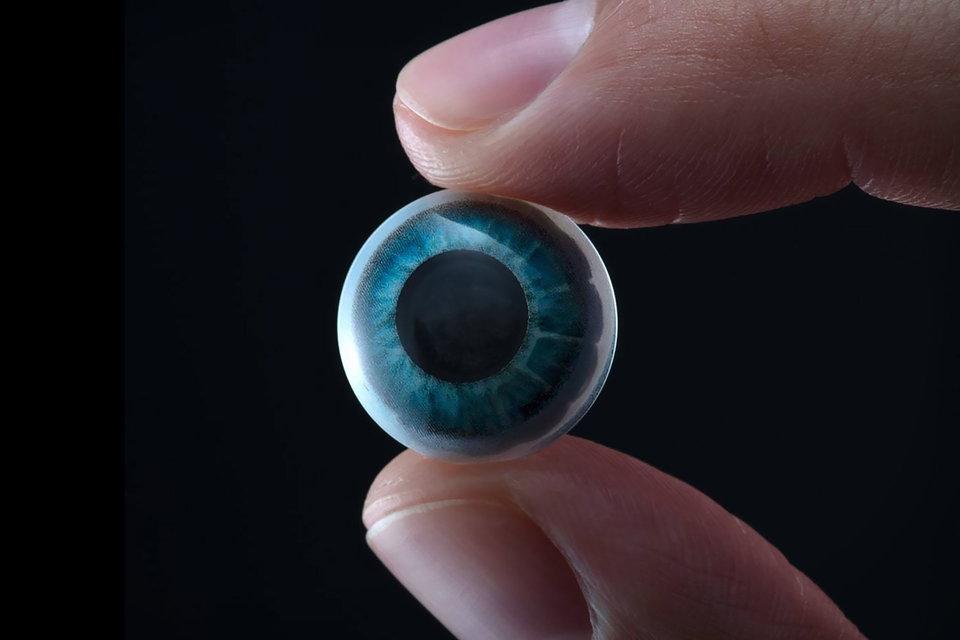
Contact lenses offer remarkable freedom from traditional eyewear. Millions of people wear them daily without incident. However, careless habits can lead to serious problems. Common mistakes put eye health at risk unnecessarily. Knowing what to avoid protects both comfort and safety.
Wearing Lenses for Too Long
Overwearing is one of the most common contact lens mistakes. Many wearers push their daily wear limits too far. Contact lenses restrict oxygen flow to the cornea. Prolonged wear reduces the oxygen supply critically. The cornea requires constant oxygen to remain healthy.
Extended daily wear causes corneal hypoxia over time. The cornea responds by growing new blood vessels. This process, called neovascularization, compromises corneal clarity. It also increases the risk of inflammation and infection. Following recommended daily wear schedules protects corneal health.
Sleeping in Lenses Not Approved for Overnight Use
Sleeping in lenses is a particularly risky habit. Most soft contact lenses are not approved for overnight use. During sleep, the eye receives no additional oxygen from the environment. Wearing lenses reduces oxygen delivery to already limited levels. This combination creates a high-risk environment for complications.
Bacterial growth accelerates when lenses are worn overnight. The warm, moist environment behind a closed eye is ideal for microbes. Serious infections like microbial keratitis can develop rapidly. This condition can cause permanent corneal scarring and vision loss. Only lenses specifically approved for extended wear should be worn overnight.
Poor Lens Hygiene Practices
Hygiene is the cornerstone of safe contact lens wear. Many wearers underestimate the importance of clean hands. Handling lenses with unwashed hands transfers bacteria and viruses. These pathogens can cause painful and dangerous eye infections. Always wash and thoroughly dry hands before touching lenses.
Lens cases harbor bacteria and biofilms if not cleaned properly. Many wearers rinse the case and leave it wet. A damp case is a breeding ground for dangerous organisms. After lens insertion, empty and rinse the case with solution. Leave it open face-down on a clean tissue to air dry.
Using Tap Water With Contact Lenses
Using tap water with contact lenses is a significant risk. Tap water contains microorganisms that are harmless when swallowed. However, they can cause devastating eye infections on contact. Acanthamoeba is a microscopic organism found in water sources. Contact with lenses causes Acanthamoeba keratitis, a severe infection.
This infection is extremely difficult to treat effectively. It causes intense pain, light sensitivity, and vision impairment. Treatment requires prolonged use of specialized antimicrobial drops. In severe cases, corneal transplantation may eventually be necessary. Never rinse lenses, cases, or hands with tap water.
Ignoring Signs of Discomfort
Discomfort during contact lens wear is always a signal. Many wearers dismiss mild irritation as a normal occurrence. However, persistent discomfort indicates a problem needing attention. Redness, stinging, or blurry vision should never be ignored. These symptoms may signal an early infection or corneal injury.
Continuing to wear uncomfortable lenses worsens the situation. Removing the lens immediately is always the right first step. If symptoms persist after lens removal, seek professional care. A corneal abrasion or early infection requires prompt treatment. Ignoring warning signs transforms minor issues into serious ones.
Red Eye and Its Many Causes
Red eye in lens wearers has multiple potential causes. Lens deposit buildup is a common and easily addressed cause. Hypoxia from overwearing also causes significant redness. Allergic reactions to lens solutions can produce chronic redness. Infection is the most serious potential cause of red eye.
Distinguishing between these causes requires professional assessment. Self-diagnosing and continuing lens wear is a dangerous approach. If significant redness develops, remove lenses and consult an optometrist. Prompt diagnosis prevents minor problems from escalating. Eye health should always take priority over convenience.
Skipping Regular Eye Examinations
Regular eye exams are essential for all contact lens wearers. Many wearers reorder lenses without updating their prescription. An outdated prescription causes visual strain and headaches. It also means the lens fit has not been recently confirmed. Both prescription accuracy and lens fit should be assessed annually.
The cornea can change shape over time with lens wear. These shape changes affect both fit and vision quality. An annual comprehensive exam catches these changes early. The optometrist can adjust the lens fit or material accordingly. Skipping exams allows problems to develop undetected.
Why Contact Lens Prescriptions Differ From Glasses Prescriptions
A glasses prescription cannot be used to order contact lenses. The two prescriptions are clinically different documents. Contact lens prescriptions include specific measurements for fitting. Corneal curvature, lens diameter, and base curve are included. These measurements ensure the lens sits correctly on the eye.
When you buy contact lenses, a valid contact lens prescription is required. This requirement exists to protect your eye health and safety. Purchasing lenses without a prescription puts your eyes at risk. Regular fitting and prescription updates are essential safeguards. Never attempt to wear contacts without professional assessment and guidance.
Sharing Contact Lenses With Others
Sharing contact lenses is a practice that should never occur. Each lens is fitted to a specific individual's eye dimensions. Using someone else's lens can cause direct mechanical injury. More seriously, sharing lenses transfers bacteria and viruses. This is a well-documented route for serious eye infection.
Even cosmetic or decorative lenses carry significant sharing risks. These lenses are regulated medical devices in most countries. Wearing unfit or improperly sourced lenses risks corneal damage. Many serious complications have been reported from shared decorative lenses. All lenses, including novelty designs, must be professionally fitted.
Using Expired or Damaged Lenses
Contact lenses have expiration dates for important reasons. The sterile packaging maintains lens quality until opening. An expired lens may have compromised sterility or material integrity. The buffer solution may also degrade beyond the expiration date. Using expired lenses risks exposing the eye to harmful contaminants.
Damaged lenses should be discarded immediately and without question. A torn or damaged lens can scratch the delicate corneal surface. Even a small tear creates an irregular optical surface. This irregularity causes visual distortion and discomfort. Never attempt to wear a damaged lens under any circumstances.
Extending Lens Wear Beyond Recommended Schedules
Replacement schedules are based on clinical safety research. Monthly lenses are not designed for three months of wear. Daily lenses are not designed to be cleaned and reused. Extending wear schedules allows deposit buildup on lens surfaces. Deposits cause discomfort, reduce oxygen permeability, and harbor bacteria.
Patients often extend lens wear for economic reasons. However, the cost of treating a lens-related infection far exceeds lens savings. Corneal ulcers and keratitis require significant medical intervention. The potential for permanent vision loss makes proper replacement essential. Investing in fresh lenses is always the safer economic choice.
Building Safe Contact Lens Habits
Safe lens habits begin with thorough patient education. Your optometrist provides detailed care instructions during fitting. Following these instructions precisely protects your ocular health. Refreshing your knowledge of care guidelines periodically is worthwhile. Contact lens technology and recommendations evolve over time.
Creating a consistent routine simplifies proper lens care. Washing hands before lens handling becomes automatic with practice. Regular case replacement becomes second nature with reminders.

 English
 Arabic
 French
 Spanish
 Portuguese
 Deutsch
 Turkish
 Dutch
Dutch
 Russian
 Romaian
 Portuguese (Brazil)
 Greek
Greek