


How to Blow Out Sprinkler Lines for Winter
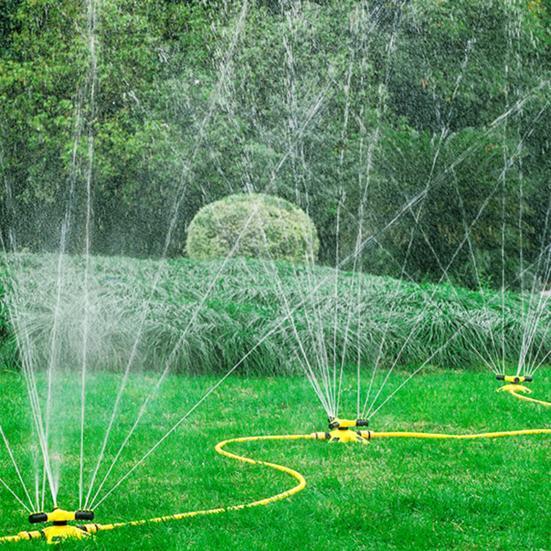
Blowing out your sprinkler lines is a critical winterization step. It removes all water from underground pipes and heads. This prevents ice from forming inside your system during winter. Ice expansion cracks pipes, splits valve bodies, and destroys heads. A proper blow-out done in fall saves you from costly spring repairs.
This process uses compressed air to force water out of each zone. It must be done carefully and with the right equipment. Done correctly, it takes about 30 to 60 minutes for most homes. Done incorrectly, it can damage components or leave dangerous trapped water. This guide walks you through the entire process safely and effectively.
Safety Precautions Before You Begin
Safety is the top priority when working with compressed air. High-pressure air is extremely dangerous if mishandled or misdirected. Always wear safety glasses before starting the blow-out process. Never stand directly over a sprinkler head during operation. The force of escaping air can send debris and components flying dangerously.
Never use an air compressor with a tank larger than 20 gallons. Large tanks store too much air volume for residential irrigation pipes. Excessive volume creates dangerous over-pressurization in the line. This bursts components far more violently than ice would in winter. A smaller compressor run continuously is far safer for this application.
Turning Off the Water Supply First
Before connecting any equipment, shut off the main water supply. The shut-off valve is typically located near the backflow preventer. Turn the valve completely to the closed position. Confirm that water flow has completely stopped before proceeding. Never attempt a blow-out while the water supply is still active.
Disable your controller or set it to rain delay mode. This prevents the controller from activating zones automatically. An unexpected zone activation during blow-out creates dangerous pressure spikes. Manual control of each zone during the blow-out process is essential. Full control ensures you can safely and systematically clear each zone.
Gathering the Right Equipment
You will need a gas-powered or electric air compressor for this job. The compressor should deliver between 20 and 50 CFM of airflow. Most small portable compressors are not powerful enough for full systems. An underpowered compressor cannot push water out of longer pipe runs. Renting a properly rated commercial compressor is a smart option.
You will also need a quick-connect coupler for the blow-out port. The blow-out port is typically located on the main irrigation line. It accepts a standard compressor fitting for air injection. Some systems have a dedicated Schrader valve for this purpose. Confirm your system's connection type before renting equipment.
Recommended Pressure Settings by Pipe and Head Type
Pressure settings vary based on your system's components. PVC pipe systems should not exceed 50 PSI during blow-out. Poly pipe systems can typically handle up to 50 PSI as well. Rotary heads require between 40 and 50 PSI for proper operation. Fixed spray heads need only 25 to 35 PSI during the blow-out cycle.
Using too much pressure causes immediate and significant damage. Plastic head bodies crack under excessive air pressure quickly. Pipe joints can separate underground and create buried leaks. Always start at the lower end of the recommended range first. Increase gradually only if water is not clearing from the lines.
The Step-by-Step Blow-Out Process
Begin by activating the zone farthest from the compressor connection point. This forces air to travel the full length of the system. The longest travel path pushes water completely out of each head. Work toward the compressor point for subsequent zones. This sequence ensures the most complete and thorough water removal.
Connect the compressor coupler to the blow-out port firmly. Keep the compressor off until everything is connected securely. Activate your first zone through the controller manually. Then start the compressor slowly and let it build pressure gradually. Watch the heads of the active zone for water discharge immediately.
Running Multiple Passes Per Zone
A single air pass is never sufficient to fully clear a zone. Water clings to pipe walls and settles in low spots. Multiple passes ensure all residual moisture is removed completely. Run each zone for no longer than two to three minutes per pass. Extended runs overheat the solenoid valves and cause permanent damage.
Turn the compressor off between zone passes to release pressure. Wait 30 seconds before beginning the next pass on the same zone. Typically, two to four passes per zone ensure full water removal. The blow-out is complete when no more water exits through the heads. Only dry air or a faint mist should come out at completion.
Handling Backflow Preventers and Valves
Backflow preventers require specific attention during winterization. They contain internal chambers that trap water during normal operation. These chambers must be drained to prevent freeze damage. Most backflow preventers have small test cocks on their sides. Open these cocks to drain trapped water before and after the blow-out.
Some backflow preventer types have specific winterization procedures. Pressure vacuum breakers require the internal poppet to be secured open. Reduced pressure zone devices have separate chamber draining requirements. Consult your backflow preventer's manual for the correct procedure. Improper winterization of this component causes expensive replacement costs.
Insulating Above-Ground Components
Some system components cannot be blown out with compressed air. Above-ground pipes, controllers, and exposed valve boxes need insulation. Foam pipe insulation wraps around exposed supply lines cheaply and effectively. Valve boxes in cold climates benefit from insulation blankets or covers. These physical barriers provide a secondary layer of frost protection.
Disconnect and store any timer or controller batteries for winter. Cold temperatures drain batteries and can damage electronic components. Bring portable or semi-portable controllers indoors if possible. Fixed wall-mounted controllers should be left in rain delay or off mode. Protecting electronics during winter extends their lifespan significantly.
Post-Blow-Out Inspection and Documentation
After completing all zones, perform a quick visual inspection. Walk each zone area and look for heads that did not pop up. A head that won't activate may have a stuck valve or solenoid. Mark these locations for investigation and repair in spring. Document any areas that showed weak air pressure during blow-out.
Check valve manifold areas for signs of leaking water connections. Inspect above-ground pipe for any visible cracks from previous freezes. Look at controller wiring for any exposed or corroded sections. A brief post-blow-out inspection takes only 15 to 20 minutes. It creates a clear picture of what needs attention before next season.
Scheduling Spring Startup in Advance
After winterization, schedule your spring startup appointment early. Professional irrigation companies fill up quickly at the start of spring. Booking in advance ensures you get service as soon as temperatures warm up. Early spring startup means your lawn gets water precisely when it needs it most. This timing advantage directly benefits your lawn's health through the growing season.
Professional services that handle sprinklers winterization and startup provide year-round coverage. They know your system's history, weak points, and specific requirements. Continuity of service provider ensures consistency in how your system is managed. Building a long-term relationship with a trusted provider is genuinely valuable. They become invested partners in the performance and longevity of your system.
When to Call a Professional Instead
Not every homeowner should attempt a DIY blow-out. Large or complex systems require commercial-grade equipment to clear properly. Homes with many zones take considerable time and expertise to blow out. Improper technique causes damage that costs far more than professional service would have. Knowing your limits is a sign of wisdom, not weakness.
Professional winterization services are more affordable than many homeowners assume. The cost typically falls within a predictable and reasonable range. For the peace of mind and system protection you receive, it is excellent value. Professionals are also insured against any accidental damage during the process. This protection is simply not available with a DIY approach.
Conclusion
Blowing out your sprinkler lines properly is the most important winterization task you can complete. It eliminates the freeze risk that destroys irrigation systems every winter. Whether you choose a DIY approach or professional service, thoroughness is essential. Every zone must be cleared completely before the first hard freeze arrives. Do the job right in fall, and your system will be ready to perform perfectly come spring.

 English
 Arabic
 French
 Spanish
 Portuguese
 Deutsch
 Turkish
 Dutch
Dutch
 Italiano
 Russian
 Portuguese (Brazil)
 Greek
Greek