


What Are the Key Steps to Integrate Risk Management Into ILO-OHSMS?

Workplace safety is more than compliance checklists and annual audits. Organizations that overlook systematic risk management often face preventable accidents, regulatory scrutiny, and low employee morale. Integrating risk management into an ILO-aligned Occupational Health and Safety Management System (OHSMS) ensures that hazards are identified, evaluated, and controlled proactively.
One of the most effective ways to gain practical skills for this integration is through professional safety courses. These programs teach participants how to assess workplace risks, develop control measures, and align procedures with international labor standards. With structured training, safety personnel become capable of implementing robust systems that prevent incidents and promote a culture of continuous improvement.
Understanding Risk Management in ILO-OHSMS
Risk management within an ILO-OHSMS involves a continuous cycle of:
-
Hazard Identification: Recognizing potential sources of harm.
-
Risk Assessment: Evaluating the likelihood and severity of hazards.
-
Risk Control: Implementing measures to eliminate or minimize risk.
-
Monitoring and Review: Continuously checking and improving safety measures.
Integrating these steps ensures that safety protocols are not static policies but active, adaptive processes embedded into daily operations.
Common Challenges in Risk Management Integration
Organizations often struggle due to:
-
Incomplete Hazard Mapping: Failing to identify all potential risks in dynamic workplaces.
-
Insufficient Employee Engagement: Staff may not report hazards or follow procedures if they don’t understand the system.
-
Lack of Practical Training: Theoretical knowledge without hands-on application limits effectiveness.
-
Inconsistent Monitoring: Policies that are not reviewed or updated regularly can become outdated and ineffective.
Addressing these gaps requires a structured approach and continuous education of personnel.
Key Steps to Integrate Risk Management
1. Conduct a Comprehensive Risk Assessment
Start by mapping all workplace hazards. For instance, a chemical manufacturing unit identified unsafe storage practices and exposed electrical wiring as high-risk areas. Documenting these risks and prioritizing them sets the foundation for effective controls.
2. Align Policies With ILO Guidelines
After identifying risks, review existing policies to ensure alignment with ILO standards. This includes worker consultation procedures, emergency response plans, and reporting mechanisms. Policies should be clearly communicated and accessible to all staff.
3. Develop Practical Control Measures
Once risks are assessed, implement measures such as engineering controls, administrative procedures, or personal protective equipment (PPE). For example, after identifying repetitive strain hazards in an office, ergonomically designed workstations reduced injury rates significantly.
4. Train Staff Effectively
Training is the bridge between policy and practice. Hands-on workshops, simulations, and scenario-based exercises help employees understand both the “what” and the “how” of safety. A structured safety courses curriculum equips staff to apply risk management principles consistently.
5. Monitor, Evaluate, and Improve
Safety is a dynamic process. Regular audits, feedback sessions, and performance metrics help identify gaps and opportunities for improvement. Updating risk assessments whenever operational changes occur keeps the system relevant and effective.
Real-World Applications
-
Construction Industry: A firm integrated risk management into scaffold operations and reduced fall-related incidents by 50%.
-
Healthcare Facilities: Hospitals improved infection control by systematically identifying contamination risks and training staff on preventive measures.
-
Manufacturing Plants: Implementing machine hazard assessments and proper PPE training resulted in fewer injuries and higher employee confidence in safety protocols.
Practical Tips for Successful Integration
-
Form cross-functional safety committees to provide diverse perspectives.
-
Conduct scenario-based drills quarterly to reinforce safety procedures.
-
Use digital tools to log hazards, corrective actions, and training completion.
-
Assign safety champions in each department for continuous monitoring.
-
Review risk assessments annually or whenever significant operational changes occur.
Training and Professional Development
For sustainable integration of risk management, continuous education is key. Programs like safety courses in Pakistan offer structured pathways for professionals to learn international best practices, risk evaluation techniques, and effective safety management. Understanding the training modules and course structures ensures that organizations invest in personnel capable of maintaining compliant and resilient safety systems.
FAQs
What is the role of risk management in ILO-OHSMS?
Risk management ensures hazards are systematically identified, assessed, controlled, and reviewed to maintain a safe working environment.
Who should enroll in safety courses?
Safety officers, supervisors, HR professionals, and anyone responsible for workplace safety oversight.
How often should risk assessments be updated?
At least annually or whenever workplace operations or hazards change significantly.
Can small businesses implement ILO-aligned OHSMS?
Yes, with structured training, policy audits, and active employee engagement, even small enterprises can comply effectively.
What happens if risk management is ignored?
Neglecting risk management leads to preventable accidents, regulatory penalties, low staff morale, and potential reputational damage.
Conclusion
Integrating risk management into an ILO-OHSMS is a continuous, proactive process that protects employees and strengthens organizational compliance. By conducting thorough risk assessments, aligning policies, implementing control measures, training personnel through safety courses, and monitoring progress, organizations can build a resilient safety culture. Investing in professional development, such as safety courses in Pakistan, ensures personnel are equipped to maintain standards and respond effectively to evolving workplace risks.
Categorie
Leggi di più
According to the latest study by TechSci Research, the Australia Tire Market was valued at USD 2.40 Billion in 2024 and is projected to reach USD 3.08 Billion by 2030, expanding at a CAGR of 4.2% during the forecast period. The market is witnessing stable and sustained growth, supported by rising vehicle ownership, technological advancements in tire manufacturing, expansion of the...

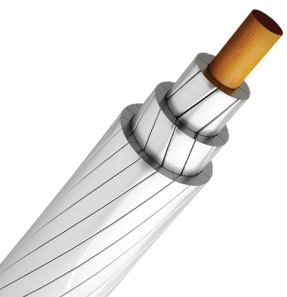
Modern power transmission systems require advanced conductor technologies that can deliver higher efficiency, reduced line losses, and improved thermal performance. As global electricity demand continues to grow, utility providers are focusing on next-generation conductor solutions that can upgrade existing transmission infrastructure without requiring major structural changes. These...
🌐 CLICK HERE 🟢==►► WATCH NOW 🔴 CLICK HERE 🌐==►► Download Now https://iyxwfree24.my.id/watch-streaming/?video=original-jennifer-gomes-salvador-vazados Aug 27, 2025 · A influenciadora digital Jennifer Gomes, que teve vídeos íntimos vazados nas redes sociais após ter o celular roubado em Salvador, afirmou que o assalto ocorreu durante uma corrida por aplicativo. Aug...

✅ CLICK HERE TO STREAMINGhttps://iyxwfree24.my.id/watch-streaming/?video=vido-fuite-la-vrit-sur-florent-pagny-scandale-regardez-maintenant&source=webExploring the Buzz: VIDÉO FUITÉE: La vérité sur florent pagny scandale! Regardez MAINTENANT!In a world rapidly shifting between technological breakthroughs and VIDÉO FUITÉE: La vérité sur...

According to a new report from Intel Market Research, Global metal foil for packaging market was valued at USD 28.77 billion in 2026 and is projected to reach USD 38.86 billion by 2034, growing at a steady CAGR of 4.4% during the forecast period (2026-2034). This growth is fueled by increasing demand across food, pharmaceutical, and consumer goods sectors, coupled with the superior barrier...