


How to Handle Dead Animals in Your Attic or Crawl Space
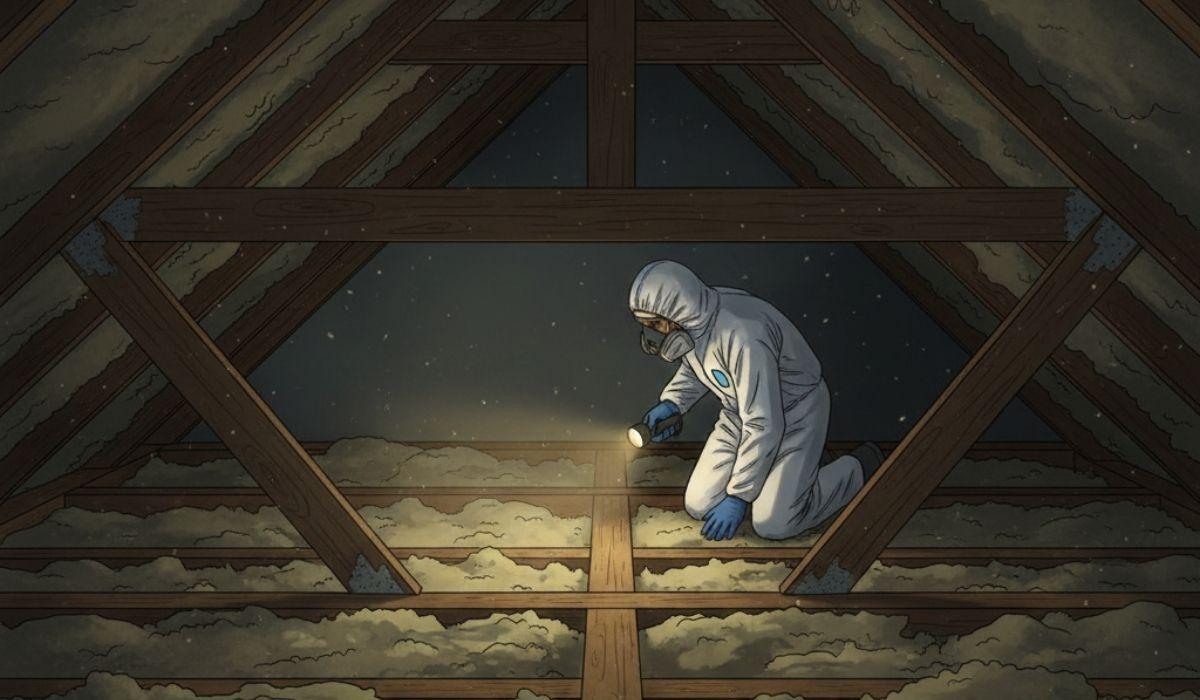
Discovering a dead animal in your home is never a pleasant experience — but it is more common than most Australians realise. Whether it is a possum that crawled into a tight corner, a rat that died behind insulation, or a snake that found its way beneath your floorboards, the situation demands prompt, careful action. If you live in Melbourne's northern or eastern suburbs and have recently noticed a foul odour creeping through your ceiling or floors, you are not alone. Services like Dead Animal Removal Craigieburn are regularly called out to homes where wildlife and pests have met their end in the worst possible places.
Knowing how to respond — and when to call in a professional — can make a significant difference to both your health and your home.
Why Dead Animals in Enclosed Spaces Are a Serious Problem
At first, you might only notice a faint, unpleasant smell. Within a day or two, that smell can intensify into something truly overwhelming. Decomposing animals release gases, bacteria, and fluids that can saturate insulation, timber, and plasterboard. Beyond the odour, there are genuine health risks involved.
Dead animals attract secondary pests. Blowflies, maggots, beetles, and other scavengers are drawn to decomposing carcasses. These insects can spread through your home, compounding the problem. Bacterial pathogens present in decomposing tissue — including Salmonella and E. coli — can contaminate surfaces and, in poorly ventilated spaces, potentially affect air quality.
For homes with young children, elderly residents, or anyone with respiratory conditions, this is not a risk worth taking lightly.
Common Animals Found Dead in Australian Homes
Australia's unique wildlife means the range of animals that might find their way into your roof or under your home is quite broad. Some of the most frequently encountered include:
Possums — Common in suburban Melbourne, possums often nest in roofs and attics. They are protected under Australian law, which means even handling a deceased possum requires care and awareness of local regulations.
Rats and mice — Rodent infestations are a persistent issue, and rodents frequently die inside wall cavities, roof spaces, and under flooring — often as a result of baiting.
Snakes — Less common but not unheard of, particularly in outer suburban and semi-rural areas. A dead snake still requires cautious handling.
Birds — Pigeons, mynahs, and starlings sometimes nest in roof spaces and die there. Feathers, droppings, and carcasses can carry mites and disease.
Cats and rabbits — Occasionally, stray or feral animals seek shelter under homes and do not survive.
How to Locate the Source of the Smell
Before anything can be removed, the carcass needs to be found — and that is often easier said than done. Decomposing animals in wall cavities can be particularly difficult to locate. Here are some practical steps:
Follow the odour. Walk slowly through each room and try to identify where the smell is strongest. Smells travel, so the strongest point is usually closest to the source.
Check roof vents and entry points. Look for any gaps, broken vents, or open eaves where an animal may have entered.
Look for flies. A cluster of blowflies on a particular wall, ceiling, or floor section is a strong indicator of what lies behind it.
Use a torch in the crawl space. If you have access to under-floor areas, a careful visual inspection can sometimes reveal the carcass directly.
If you are unable to find it yourself, a professional technician has thermal imaging tools and experience to locate carcasses quickly, even within sealed cavities.
Can You Remove a Dead Animal Yourself?
In some situations — particularly when the animal is small, accessible, and in an open area — DIY removal is possible. However, it must be done with the right precautions:
- Always wear thick rubber or latex gloves, and consider a face mask or respirator to avoid inhaling bacteria or mites.
- Place the carcass in a heavy-duty, sealed plastic bag. Double bag it if the animal is large or heavily decomposed.
- Dispose of it in your general waste bin, not your green organics bin.
- Thoroughly disinfect the area with an enzyme-based cleaner or diluted bleach solution. This breaks down organic matter and neutralises odour at the source.
- Wash your hands thoroughly and launder any clothing that came into contact with the area.
That said, DIY removal has its limits. If the animal is inside a wall cavity, deep within roof insulation, or you are in any way uncertain about the species (particularly with snakes), it is far safer to call a professional.
When to Call a Professional Removal Service
There are clear situations where professional intervention is the right call:
You cannot find the carcass. If the smell is strong but the source is hidden, professionals have the equipment and expertise to locate and extract it without causing unnecessary damage to your home.
The animal is in a wall cavity. Accessing a wall cavity often means cutting into plasterboard. A professional can minimise damage and properly seal and treat the area afterwards.
There is significant contamination. If there is visible fluid staining on insulation, timber, or plasterboard, a thorough sanitisation and decontamination process is required — not just a surface clean.
You suspect a possum. In Victoria, possums are protected fauna. Their removal — dead or alive — may be subject to local council and wildlife authority guidelines. A licensed professional will handle this correctly.
For residents in Melbourne's east, Dead Animal Removal Ringwood specialists are familiar with local wildlife patterns and the types of roof and crawl space configurations common in that area — knowledge that genuinely speeds up the process.
Odour Elimination After Removal
Removing the carcass is only half the job. The smell can linger for weeks if the area is not properly treated. Here is what works:
Enzyme-based cleaners — These break down organic compounds at the molecular level and are far more effective than masking agents or standard disinfectants.
Activated charcoal or odour absorbers — Placing these near the affected area can help draw out residual odour from porous materials like timber and insulation.
Ventilation — Where safely possible, increase airflow through the affected area to speed up the drying and deodorising process.
Insulation replacement — If insulation has been saturated with decomposition fluids, it should be replaced rather than simply dried out. Contaminated insulation retains odour and can harbour bacteria long-term.
Preventing Future Incidents
Once the immediate problem is resolved, it is worth taking steps to prevent recurrence:
- Inspect and seal all roof vents, eaves gaps, and entry points around pipes and cables.
- Trim back trees and branches that give wildlife easy access to your roof.
- If you use rodent baiting, discuss with a pest professional where bait stations are placed to reduce the chance of rodents dying in inaccessible areas.
- Install possum-proofing measures around your roof with guidance from a licensed wildlife handler.
- Schedule periodic roof and crawl space inspections, particularly heading into cooler months when animals seek warm shelter.
Final Thoughts
A dead animal in your attic or crawl space is unpleasant, but it is a manageable problem when handled correctly and promptly. The key is not to ignore the warning signs — a lingering smell, unusual fly activity, or unexplained staining are all signals that something needs attention. Acting quickly reduces health risks, prevents secondary pest infestations, and limits structural damage to your home.
When the situation calls for it, do not hesitate to bring in a licensed professional. They have the protective gear, the tools, and the experience to resolve the problem efficiently, safely, and with minimal disruption to your household.
Categorias
Leia Mais
Market Trends Shaping Executive Summary Helium 3 Market Size and Share CAGR Value The global helium 3 market size was valued at USD 183.86 million in 2024 and is expected to reach USD 231.10 million by 2032, at a CAGR of 2.90% during the forecast period Helium 3 report has been formulated by keeping in mind all the vital aspects of the market research...

Butt Fillers in Dubai Butt Fillers in Dubai have become one of the most sought-after cosmetic treatments for individuals looking to achieve fuller, more defined curves without undergoing invasive surgery. Modern aesthetic procedures now offer effective alternatives to traditional butt augmentation, allowing patients to enjoy enhanced body contours with significantly less recovery time. The...

The popularity of the Apple iPhone continues to grow rapidly in Pakistan because of its premium design, powerful performance, excellent cameras, and reliable software updates. Whether you are a student, business professional, gamer, photographer, or content creator, the iPhone offers a smooth and high-quality smartphone experience. Many users in Pakistan prefer iPhones because they deliver...
Police cards play an important role in helping law enforcement professionals stay organized, efficient, and prepared throughout their daily responsibilities. Whether officers are conducting traffic stops, managing incidents, documenting information, or communicating with team members, having quick access to essential details can make a significant difference. In a profession where...
According to the latest report published by Data Bridge Market Research, the Tricyclic antidepressants Market The global Tricyclic antidepressants market size was valued at USD 1.35 billion in 2025 and is expected to reach USD 1.99 billion by 2033, at a CAGR of 5.00% during the forecast period Tricyclic antidepressants Market report is...