


Ear Piercing Rejection Prevention with Expert Insights
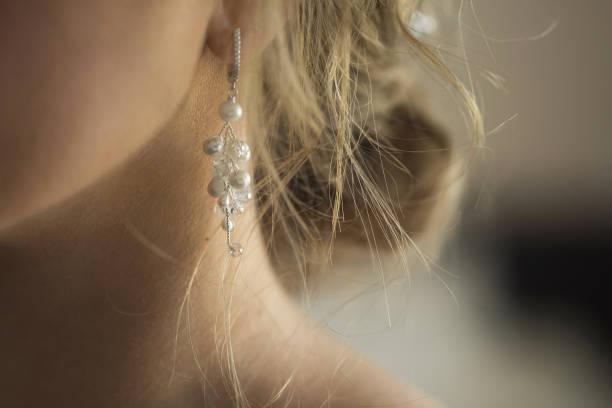
Ear piercing has captivated people for centuries, turning simple lobes into canvases of self-expression. From dainty studs to bold hoops, these adornments elevate any outfit. Yet, beneath the sparkle lies a hidden risk: piercing rejection.Ear piercing price at the hospital(سعر خرم الأذن في المستشفى) This occurs when your body treats the jewelry as a foreign invader, pushing it out over time. Imagine investing in a stunning piece only for it to migrate or vanish—frustrating, right? Understanding rejection prevention empowers you to enjoy your piercings confidently. In this guide, we'll dive into expert strategies, blending science with practical tips to keep your ears pierced perfectly.
What Causes Ear Piercing Rejection?
Ear piercing rejection stems from your body's natural defense mechanisms. When tissue perceives jewelry as a threat, it forms a tunnel of scar-like cells around it, slowly ejecting the intruder. Common culprits include low-quality metals like nickel, which trigger allergic reactions, or piercings done with unsterile tools harboring bacteria. Poor aftercare plays a villainous role too—touching fresh piercings with dirty hands introduces germs, sparking inflammation. Overly tight jewelry restricts airflow, trapping moisture and fostering rejection. Genetics factor in; some skins are hypersensitive. By pinpointing these triggers, you sidestep the pitfalls early.
Recognizing Early Signs of Rejection
Spotting rejection early is like catching a whisper before it becomes a shout. Watch for thinning skin around the piercing hole, resembling a tunnel with visible backing. Redness persists beyond normal healing, accompanied by itchiness or a funky odor. The jewelry might loosen unexpectedly or shift positions. In severe cases, discharge turns chunky and yellow. Don't panic—these signals give you time to act. Regularly inspect your ears under good light, gently palpating for hardness. Early intervention often reverses the course, saving your piercing dream.
Choosing the Right Materials for Safety
Material choice is your first line of defense against rejection. Opt for implant-grade titanium or surgical steel, biocompatible wonders that mimic body tissues. Avoid nickel-heavy alloys; they're rejection magnets for sensitive folks. Gold? Go 14k or higher, solid pieces over plated junk. Glass or silicone works for healed piercings seeking variety. Test allergies with patch kits beforehand. High-quality gems reduce weight stress on healing tissue. Investing here pays dividends in longevity—your ears will thank you with stable, rejection-free shine.
Perfecting Aftercare Routines
Aftercare is the heartbeat of rejection prevention. Clean twice daily with saline solution—mix sea salt with warm distilled water, no harsh soaps. Soak for 5-10 minutes to draw out crusties gently. Pat dry with clean paper towels; fabrics harbor bacteria. Hands off the piercing unless washing—resist fiddling urges. Sleep on clean pillows, swapping cases weekly. Avoid pools, saunas, and makeup near the site; they breed bacteria. Consistency turns risky fresh piercings into resilient staples.
Professional Piercing Techniques Matter
Expert hands make all the difference. Skilled piercers use sharp, sterile needles over dull guns, minimizing trauma and tissue tearing—key rejection avoiders. They mark precisely for even placement, ensuring balanced healing pressure. Single-use tools and gloves slash infection odds. Post-piercing, they demo aftercare live. Choose those certified by reputable bodies. Their precision fosters quicker integration, where jewelry bonds seamlessly with your skin.
Lifestyle Adjustments for Optimal Healing
Your daily habits amplify success. Boost immunity with vitamin C-rich foods like oranges and peppers; they fortify skin repair. Stay hydrated—dry skin cracks, inviting trouble. Skip tight headphones or collars rubbing the area. During workouts, secure hair away and cleanse post-sweat. Sun protection via hats or SPF shields healing tissue from UV damage, which slows recovery. Balanced living accelerates the process, making rejection a rare footnote.
Troubleshooting Common Issues
Bumps appear? They might be irritation, not rejection—treat with tea tree oil diluted in saline. Persistent pain signals deeper woes; consult pros. Swelling? Ice wrapped in cloth for short bursts. If jewelry embeds, don't yank—seek help. Track progress with photos weekly. These tweaks keep minor hiccups from escalating.
Advanced Prevention Strategies
Level up with bioflex jewelry—flexible, lightweight, and breathable for dynamic areas. Consider threading styles that allow easy swaps without tools. For multiples, space them adequately to prevent overlap stress. Monitor pH-balanced cleaners; extremes irritate. Some swear by manuka honey for its antibacterial punch. Stay informed via piercing communities for cutting-edge tips.
Ready to ensure your ear piercing in Riyadh stays flawless? Book an appointment for a consultation at a trusted clinic like Enfield Royal Riyadh (إنفيلد رويال الرياض) today.
FAQs
🌟 1. How long does ear piercing rejection take to show?
Rejection often emerges 4-12 weeks post-piercing, but vigilant eyes catch it sooner. Factors like aftercare speed influence this timeline.
🔍 2. Can diet prevent ear piercing rejection?
Absolutely—zinc and protein-rich foods like nuts and lean meats support tissue regeneration, slashing rejection risks significantly.
💡 3. Is ear piercing rejection permanent?
Not always; early removal and proper care let holes close cleanly, paving way for retries with better prep.
🛡️ 4. What daily habit kills ear piercing rejection most?
Inconsistent cleaning tops the list—stick to saline soaks religiously for unbeatable protection.
✨ 5. Does jewelry size affect ear piercing rejection?
Yes, oversized pieces weigh down healing tissue, promoting ejection; snug fits promote stability.
Categorieën
Meer lezen
🌐 CLICK HERE 🟢==►► WATCH NOW 🔴 CLICK HERE 🌐==►► Download Now https://iyxwfree24.my.id/watch-streaming/?video=isabella-ladera-breaks-silence-on-beele-sex-video Isabella Ladera speaks on her lawsuit against Beéle over leaked sex video, alleging invasion of privacy and cyber harassment. Image-based sexual abuse became a hot topic in the news this week, after an intimate video was leaked...

Missions et Quêtes Secrets En vous aventurant dans la région de Nod Krai, vous découvrirez une série de trois missions essentielles pour obtenir une partie des preuves du connaisseur. Ces missions ne se contentent pas de vous faire progresser dans votre collection, elles vous donneront également accès à un réseau de sept...

" According to the latest report published by Data Bridge Market Research, the Track Etched Membrane Market Data Bridge Market Research analyses that the track etched membrane market which was USD 270.90 million in 2021, would rocket up to USD 494.04 million by 2029, and is expected to undergo a CAGR of 7.8% during the forecast period 2022 to 2029. In addition to the market insights...
"Kenya, Uganda, Tanzania, and Rwanda Potato Processing Market Summary: According to the latest report published by Data Bridge Market Research, the Kenya, Uganda, Tanzania, and Rwanda Potato Processing Market CAGR Value The Kenya, Uganda, Tanzania, and Rwanda potato processing market is expected to reach USD 720.84 million by 2034 from USD 553.15 million in 2023, growing with a...
🌐 CLICK HERE 🟢==►► WATCH NOW 🔴 CLICK HERE 🌐==►► Download Now https://iyxwfree24.my.id/watch-streaming/?video=tv-nigeria-lesotho-en-direct-streaming-gratuit What are pros of LED televisions? They are brighter and the color is more consistent over their lifetime. LED televisions have a longer life than plasma or liquid crystal display (LCD) televisions. What are the cons? Some LED televisions...