


Riveting Machine: Comprehensive Guide for Modern Manufacturing
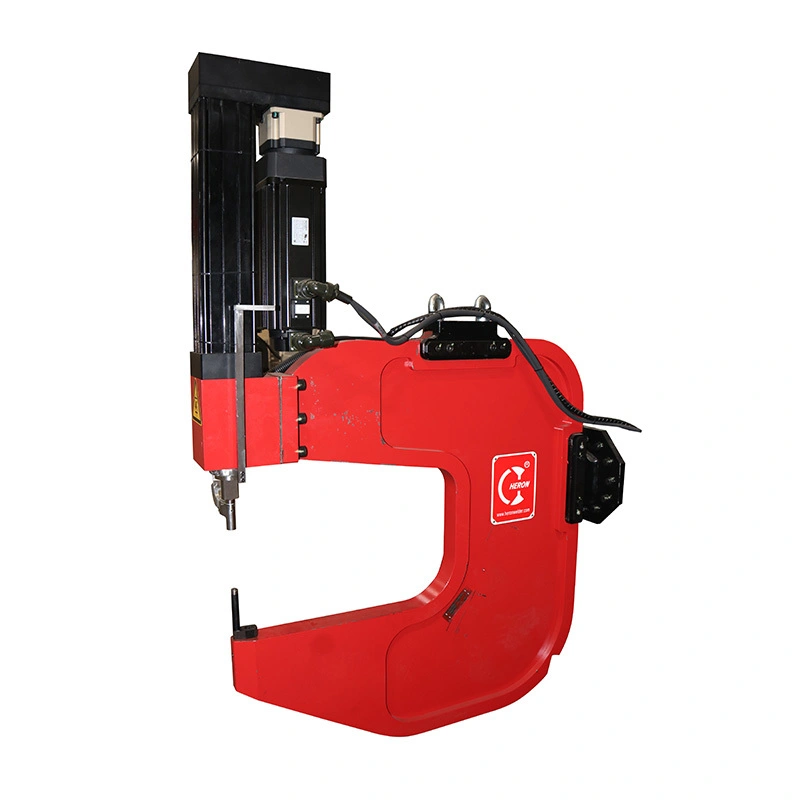
In today’s high-efficiency manufacturing environment, joining technologies are evolving rapidly to meet the demands of lightweight structures, high-strength materials, and automated production. Among these technologies, riveting machines have become essential tools for OEMs, industrial manufacturers, and automation integrators seeking reliable, precise, and cost-effective metal joining solutions. Heron Welder, a global leader in industrial welding and metal-joining equipment, provides state-of-the-art riveting machines designed to optimize productivity and quality in modern production lines.
What is a Riveting Machine?
A riveting machine is an industrial device used to mechanically join two or more metal sheets, components, or assemblies by inserting and securing a rivet. Unlike traditional welding processes, riveting does not rely on heat or filler material, making it ideal for joining dissimilar metals, lightweight alloys, and materials sensitive to thermal distortion.
Modern riveting machines, such as self-pierce riveting (FSPR) systems, allow for precise, automated joining, reducing production time and ensuring consistent quality across large-scale manufacturing operations.
How Riveting Machines Work
Riveting machines operate on a simple mechanical principle:
-
Alignment – Components are positioned accurately using jigs, clamps, or automated feeders.
-
Piercing and Setting – The rivet is driven through the top material, spreading and anchoring into the lower material to create a strong mechanical bond.
-
Forming – The rivet deforms in a controlled manner, forming a secure joint without damaging surrounding materials.
-
Inspection – Automated systems often include sensors to verify joint quality and consistency, minimizing defects.
Heron’s FSPR and pneumatic riveting machines integrate precision tooling and programmable controllers to deliver reliable, repeatable results with minimal operator intervention.
Applications of Riveting Machines
Riveting machines are widely used in industries that demand lightweight, durable, and high-strength joints. Key applications include:
-
Automotive Manufacturing – Joining aluminum, steel, or composite panels in car bodies, ensuring structural integrity while reducing vehicle weight.
-
Aerospace Components – Reliable assembly of airframe structures, interior panels, and lightweight alloys.
-
Electronics and Appliances – Securing sheet metal components without heat, preserving sensitive electronics or finishes.
-
Industrial Fabrication – Machinery, metal enclosures, HVAC systems, and structural assemblies.
-
Furniture and Construction – Joining thin metal sheets, frames, or composite panels efficiently and consistently.
By replacing labor-intensive manual riveting processes with automated riveting machines, manufacturers can achieve higher throughput, lower error rates, and consistent assembly quality.
Types of Riveting Machines
Understanding the types of riveting machines helps manufacturers choose the right solution for their production needs:
1. Self-Pierce Riveting (FSPR) Machines
FSPR systems pierce the top sheet and flare it into the lower sheet without pre-drilled holes. Ideal for multi-material joining and widely used in the automotive industry. These systems are highly automated and integrate seamlessly into production lines.
2. Pneumatic Riveting Machines
These machines use compressed air to drive rivets. They are suitable for medium to heavy-duty applications and provide precise, repeatable joining for various sheet thicknesses.
3. Manual or Semi-Automatic Riveting Machines
Smaller-scale or low-volume applications benefit from these systems. Operators manually position components while the machine controls rivet formation, offering a balance between flexibility and consistency.
Benefits of Modern Riveting Machines
Implementing a modern riveting machine provides manufacturers with multiple advantages:
-
High Productivity – Automated feeding, positioning, and riveting reduce cycle times.
-
Consistent Quality – Precision controls and sensors ensure uniform rivet formation.
-
Material Flexibility – Rivets can join dissimilar metals, composites, and coated sheets without heat damage.
-
Reduced Labor Costs – Automation minimizes manual handling, lowering labor expenses and error rates.
-
Enhanced Safety – Reduced operator exposure to repetitive motions, heavy tools, and heat hazards.
Heron’s riveting machines are engineered for maximum efficiency and reliability, making them an ideal choice for OEMs and industrial manufacturers seeking to modernize assembly processes.
Best Practices for Using a Riveting Machine
To maximize the efficiency and lifespan of riveting machines, manufacturers should consider:
-
Correct Rivet Selection – Match rivet type, length, and material to the application.
-
Component Preparation – Ensure sheets are clean, aligned, and free of debris.
-
Tool Maintenance – Regularly inspect dies, punches, and actuators to prevent wear-related defects.
-
Process Monitoring – Use integrated sensors and controllers to detect joint anomalies in real time.
-
Operator Training – Skilled operators are critical for setup, troubleshooting, and quality assurance.
Riveting Machine vs. Traditional Welding
While welding is suitable for many metal-joining applications, riveting offers unique advantages:
| Feature | Riveting Machine | Welding |
|---|---|---|
| Heat Impact | No heat required | Heat may cause distortion |
| Material Compatibility | Dissimilar metals and composites | Limited to weldable metals |
| Automation | Highly automatable | Automation possible but often more complex |
| Joint Inspection | Easy to inspect mechanically | Requires visual or X-ray inspection |
| Production Speed | High-speed, repetitive | May require more time per joint |
For industries like automotive and aerospace, riveting machines provide a more flexible, reliable, and lightweight joining solution compared to traditional welding methods.
FAQs About Riveting Machines
1. What materials can a riveting machine join?
Modern riveting machines can join steel, aluminum, coated metals, and certain composite materials without pre-drilling or heat treatment.
2. How does FSPR differ from traditional riveting?
FSPR systems pierce the top sheet and flare the rivet into the lower sheet automatically, eliminating the need for pre-drilled holes and enabling multi-material assembly.
3. Are riveting machines suitable for high-volume production?
Yes, automated riveting machines are designed for high-speed, repetitive assembly tasks, making them ideal for OEMs and large manufacturers.
4. Can riveting machines integrate into automated production lines?
Absolutely. Heron’s riveting systems can be integrated with robotic arms, conveyors, and PLC-controlled production lines for seamless automation.
5. What maintenance is required for a riveting machine?
Routine inspection of dies, punches, and actuators, along with sensor calibration and lubrication, ensures consistent performance and longevity.
Why Choose Heron for Riveting Machines?
Heron Welder has decades of expertise in industrial welding and metal-joining solutions. Our riveting machines are engineered for precision, durability, and seamless integration into automated production lines. From FSPR systems to pneumatic and semi-automatic machines, Heron provides customized solutions tailored to the specific needs of OEMs, automation integrators, and manufacturing engineers.
Get Started with Heron’s Riveting Machines
Whether you’re upgrading your assembly line, implementing multi-material joining, or seeking a turnkey automation solution, Heron Welder can help. Request a quote or consult with our experts today to explore the best riveting machine for your production needs and achieve consistent, high-quality results.
Kategoriler
Devamını oku
🌐 CLICK HERE 🟢==►► WATCH NOW 🔴 CLICK HERE 🌐==►► Download Now https://iyxwfree24.my.id/watch-streaming/?video=balu-de-viral-video-watch-full-hd-video-balu-de-viral-video-watch-full-hd-video 2 days ago · Balu De Viral Video Link Watch Here!! আমাদের টিলিগ্রাম চ্যানেল ফলো দিয়ে রাখুন পরবর্তী আপডেট পাওয়ার জন্য। বালু দে বালু দে ৩৮ সেকেন্ডের ভাইরাল ভিডিও । Balu de balu de 28 second viral...

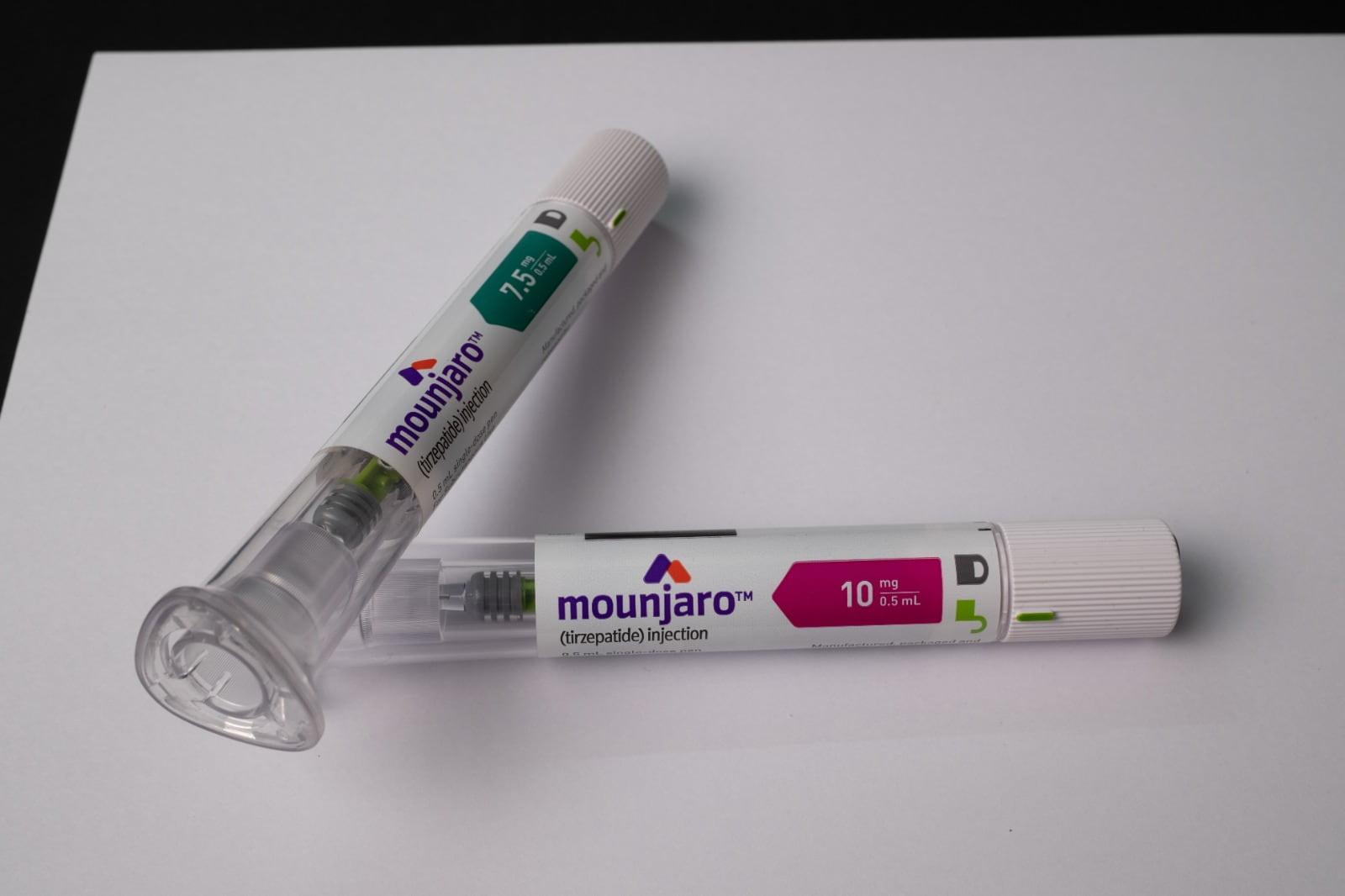
Weight loss journeys can feel overwhelming, especially when traditional diet and exercise fail to deliver lasting results. That’s where advanced medical solutions come in. Mounjaro in Islamabad has rapidly gained attention as a powerful injectable treatment designed to support sustainable and clinically supervised weight loss. At leading aesthetic and medical clinics, including those...
स्वस्थ जीवनशैली की नई पहचान आज की भागदौड़ भरी और तनावपूर्ण जीवनशैली ने लोगों को कई शारीरिक और मानसिक समस्याओं की ओर धकेल दिया है। इसी कारण अब लोग केवल बीमारी का इलाज नहीं बल्कि एक स्वस्थ और संतुलित जीवन की तलाश कर रहे हैं, जिसके चलते आयुर्वेद की लोकप्रियता तेजी से बढ़ रही है। आयुर्वेद भारत की प्राचीन चिकित्सा पद्धति है जो शरीर, मन और आत्मा के संतुलन पर आधारित है। यह केवल रोगों के लक्षणों...

Mild, effective, and formulation-friendly surfactants are among the most commercially sought-after ingredients in personal care and cleaning product development, and sodium myreth sulfate fits that description precisely. The Sodium Myreth Sulfate Market is projected to grow from US$ 320.1 Million in 2025 to US$ 456.75 Million by 2034, recording a CAGR of 4.54% over the 2026 to 2034 forecast...

The histone deacetylase inhibitors industry is witnessing notable expansion due to increasing research activities in oncology and neurology. Pharmaceutical companies are focusing on targeted epigenetic therapies that can improve treatment outcomes for patients with complex disorders. Growing awareness regarding personalized medicine and advancements in drug development technologies are further...
