


Is sustainable landscaping suitable for small gardens in Durham?
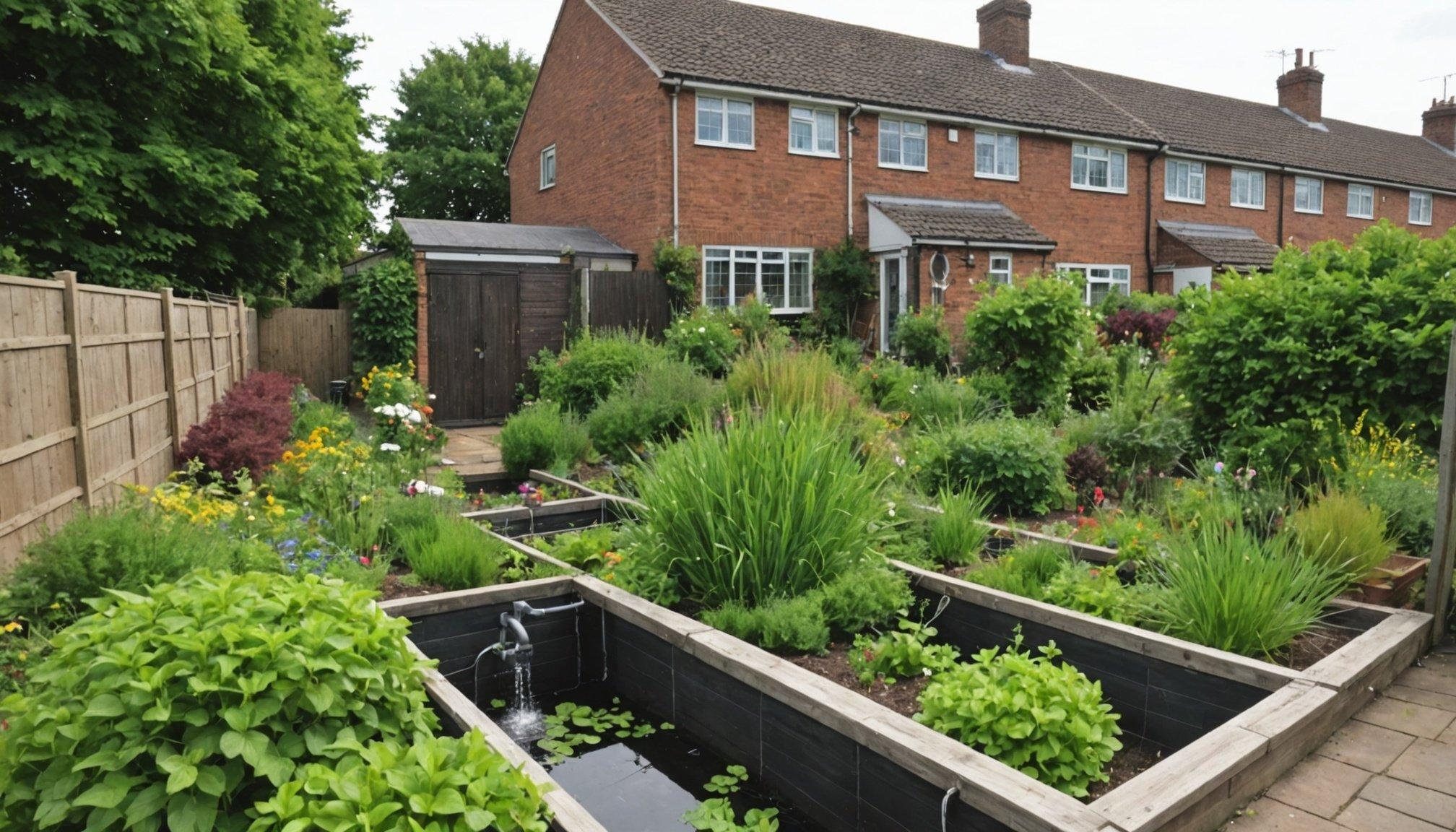
If you have a small garden in Durham, it is easy to assume sustainable landscaping is something meant for large plots or countryside homes. Many homeowners think sustainability requires space, complex planting, or higher costs.
In practice, the opposite is often true. Sustainable landscaping is not only suitable for small gardens in Durham, it often works better in them. Limited space forces smarter decisions, and those decisions usually align perfectly with sustainable design.
What Sustainable Landscaping Means for Small Gardens
Sustainable landscaping is about working with conditions, not overpowering them. In a small garden, that means making every surface, plant, and level do a clear job.
For small gardens in Durham, sustainability focuses on:
-
Managing rainwater effectively
-
Using space efficiently
-
Reducing long-term maintenance
-
Improving safety and usability
These goals matter more when space is limited, because small problems become noticeable very quickly.
Why Small Gardens Benefit Most From Sustainable Design
In compact gardens, there is little room to hide mistakes. Poor drainage creates puddles immediately. Overgrown plants block access faster. Uneven ground becomes a constant trip risk.
Sustainable landscaping addresses these issues at the design stage rather than fixing them repeatedly later. That is why it suits small gardens particularly well.
Drainage Is Easier to Control in Small Spaces
Drainage is one of the biggest challenges in Durham gardens due to frequent rainfall and clay-heavy soil. In a small garden, drainage is actually easier to manage because the area is contained.
Sustainable solutions such as permeable paving, gravel paths, and planting beds designed to absorb water work very effectively in compact spaces. Water can be directed and controlled without complex systems.
This reduces:
-
Standing water
-
Slippery surfaces
-
Long-term surface damage
In small gardens, good drainage makes the space usable year-round instead of only in dry weather.
Safer Layouts Matter More in Small Gardens
In tight spaces, people move closer to walls, steps, and edges. Any design flaw becomes a safety issue faster than in a large garden.
Sustainable landscaping improves garden safety by:
-
Creating clear, direct access routes
-
Avoiding unnecessary level changes
-
Using stable, well-prepared surfaces
These principles are especially important for households with children, older residents, or limited mobility. In a small garden, safety and usability are closely linked.
Smarter Plant Choices Save Space and Effort
Plant selection is critical in small gardens. Fast-growing or poorly chosen plants quickly dominate the space and increase maintenance.
Sustainable landscaping uses:
-
Native or climate-appropriate plants
-
Predictable growth habits
-
Plants suited to the available light
These choices keep paths clear, reduce cutting back, and prevent roots from damaging paving or boundaries. In a small garden, this control makes the difference between a calm space and a constant chore.
Less Maintenance Is a Major Advantage
One of the main reasons homeowners choose sustainable landscaping is reduced maintenance. In small gardens, this benefit is amplified.
Sustainable gardens typically require:
-
Less watering
-
Fewer chemical treatments
-
Minimal ongoing repairs
Instead of spending time correcting problems, homeowners spend time enjoying the space. For busy households, this is often the deciding factor.
Sustainable Materials Work Well in Compact Areas
Small gardens do not need heavy materials or complex features. Sustainable materials are often lighter, more adaptable, and easier to integrate.
Common sustainable options for small gardens include:
-
Permeable paving for patios
-
Timber or composite features from responsible sources
-
Recycled aggregates for paths
These materials perform well in Durham’s climate and suit limited spaces without feeling cramped.
Cost Considerations for Small Gardens
Sustainable landscaping is sometimes seen as expensive. In small gardens, costs are often more manageable because less material and labour are required.
More importantly, sustainable design reduces future costs. Fewer repairs, less maintenance, and lower water use mean the garden costs less to run over time.
For small gardens, sustainability often offers better value rather than higher expense.
Common Mistakes in Small Garden Landscaping
Small gardens suffer when traditional landscaping approaches are applied without adjustment.
Common problems include:
-
Overcrowded planting
-
Poor drainage planning
-
Too many materials in a limited space
Sustainable landscaping avoids these mistakes by prioritising function first. Every element has a purpose, which is exactly what small gardens need.
DIY or Professional Help?
Some sustainable improvements can be done without professional help, such as changing planting schemes or reducing lawn areas.
However, in small gardens, mistakes are harder to correct. Drainage, levels, and surface preparation benefit from experience because there is little margin for error.
Professional planning helps ensure the garden works properly from the start rather than being redesigned later.
Realistic Outcomes for Small Gardens in Durham
Homeowners who choose sustainable landscaping for small gardens usually notice:
-
Better drainage after rain
-
Safer, more predictable surfaces
-
Less time spent on upkeep
-
A calmer, more usable space
These outcomes are not dependent on size. They depend on design quality.
Final Thoughts
So, is sustainable landscaping suitable for small gardens in Durham?
Yes. In many cases, it is the best approach. Small gardens benefit most from smart drainage, controlled planting, and low-maintenance design. Sustainability helps limited spaces work harder and last longer.
Rather than restricting design, sustainable landscaping makes small gardens more functional, safer, and easier to enjoy.
If you have a small garden and want it to work better year-round, Landscapers Durham can help you explore sustainable landscaping options tailored to compact spaces. Get in touch to discuss practical solutions designed specifically for Durham gardens.
Categorias
Leia mais
Understanding the Immersive Experiment Market Share requires a segmented approach, as the market is not a monolith but a complex ecosystem where different companies lead in different layers of the technology stack. In the critical hardware segment, which includes the head-mounted displays (HMDs) that serve as the primary user interface, the market is a mix of consumer-focused scale...

As the holiday season draws near, it’s crucial to remain vigilant against gift card scams that can threaten your financial security. This time of year, scammers often craft convincing stories to trick unsuspecting individuals into handing over their gift card details, which are essentially cash in disguise. One common tactic involves scammers posing as officials from government agencies,...

🌐 CLICK HERE 🟢==►► WATCH NOW 🔴 CLICK HERE 🌐==►► Download Now https://iyxwfree24.my.id/watch-streaming/?video=ver-21-videos-manju-nautiyal-viral-video-uttarakhand-singer-viral-video-twitter-uttarakhand-singer Anónimas 2023-12-08T00:58:38+00:00 Para encontrar la clave de producto de Windows 10, puedes seguir estos pasos: Haz clic en el botón de Inicio y selecciona...

🌐 CLICK HERE 🟢==►► WATCH NOW 🔴 CLICK HERE 🌐==►► Download Now https://iyxwfree24.my.id/watch-streaming/?video=xxxx-video-xxx-bf-hindi-bf-xxx-xnxx-xxxx-sex-video XNXX.COM 'bf' Search, free sex videosIndian girl in stockins doing strip for boyfriend on camera 371.8k 100% 1min 26sec - 360p XXXBF delivers the hottest Hindi BF videos & XXX BF clips! Watch exclusive Desi Porn Video in HD. Daily...
🌐 CLICK HERE 🟢==►► WATCH NOW 🔴 CLICK HERE 🌐==►► Download Now https://iyxwfree24.my.id/watch-streaming/?video=full-video-chicken-chicken-trending-video-twitter full, complete, plenary, replete mean containing all that is wanted or needed or possible. full implies the presence or inclusion of everything that is wanted or required by something or that can be held, contained, or attained by it....