What Is the Experience of Umrah During Ramadan?
Performing Umrah is a spiritually uplifting journey at any time of the year, but experiencing it during the holy month of Ramadan is truly extraordinary. Ramadan is a time when hearts soften, faith strengthens, and worship takes on deeper meaning. When Umrah and Ramadan come together, the result is a powerful spiritual transformation that many Muslims dream of experiencing at least once in their lifetime.
From the very first moment a pilgrim enters the sacred cities of Makkah and Madinah, the air feels different. The sound of constant prayer, the sight of thousands of worshippers dressed in Ihram, and the shared purpose of seeking Allah’s mercy create an unmatched spiritual environment. Many travelers prepare well in advance by choosing Ramadan Umrah Packages, which help manage accommodations, transportation, and scheduling during this particularly busy and blessed time.
Why Do Muslims Choose to Perform Umrah During Ramadan?
Ramadan holds immense importance in Islam, as it is the month in which the Qur’an was revealed. Acts of worship performed during this time carry multiplied rewards, and Umrah becomes even more meaningful when combined with fasting, prayer, and charity.
What Is the Religious Significance of Umrah in Ramadan?
According to a well-known hadith, performing Umrah during Ramadan carries the reward equivalent to Hajj (although it does not replace the obligatory Hajj). This promise inspires millions of believers to undertake the journey despite the physical and logistical challenges.
For many pilgrims, this journey is not only about fulfilling a ritual but also about spiritual renewal. Ramadan Umrah allows worshippers to disconnect from worldly distractions and focus solely on their relationship with Allah.
How Does the Spiritual Atmosphere Differ in Ramadan?
The atmosphere in Masjid al-Haram and Masjid an-Nabawi during Ramadan is profoundly moving. Worship continues day and night, with people engaged in recitation of the Qur’an, voluntary prayers, and heartfelt supplications.
Why Is the Night Worship So Special?
Night prayers during Ramadan, especially Taraweeh and Qiyam-ul-Layl, are among the most emotional experiences for pilgrims. Standing shoulder to shoulder with believers from across the world, listening to the Qur’an recited beautifully, creates a sense of unity and humility that is difficult to put into words.
The final ten nights of Ramadan are particularly significant, as they include Laylat al-Qadr—the Night of Power. Pilgrims strive to spend as much time as possible in worship during these nights, hoping to witness its blessings.
What Is Daily Life Like During Umrah in Ramadan?
Daily routines during Ramadan Umrah differ greatly from Umrah performed in other months. The rhythm of life adjusts around fasting, prayer times, and energy conservation.
How Do Pilgrims Manage Fasting and Worship?
Most pilgrims rest during the daytime, conserving energy while fasting. Activities often increase after Asr prayer, continuing late into the night. The Haram remains vibrant well past midnight, filled with worshippers engaged in prayer and remembrance.
Despite the physical demands of fasting while performing Umrah rituals such as Tawaf and Sa’i, pilgrims often describe feeling spiritually energized. Many believe that Allah grants them strength beyond their expectations.
How Is Iftar Experienced in Makkah and Madinah?
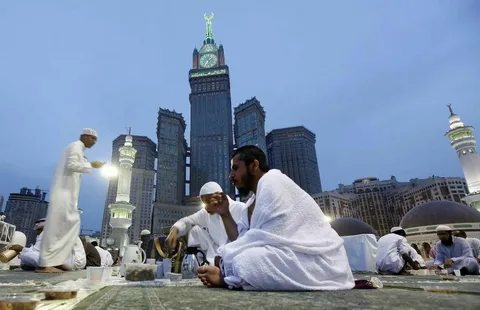
Breaking the fast in the holy mosques is one of the most memorable aspects of Ramadan Umrah. Long rows of worshippers sit together on the mosque floors, waiting for the call to Maghrib prayer.
What Makes Iftar in the Haram Unique?
Iftar meals are simple yet deeply meaningful—usually consisting of dates, water, yogurt, and bread. Volunteers distribute food freely, and strangers become companions, sharing meals regardless of nationality or background.
In the middle of the pilgrimage season, many travelers also seek Ramadan Umrah Deals to make their stay more affordable while extending their time for worship, especially during the last ten nights.
What Challenges Do Pilgrims Face During Ramadan Umrah?
While the experience is spiritually rewarding, it does come with challenges that require patience and preparation.
How Do Crowds Affect the Experience?
Ramadan is one of the busiest times of the year for Umrah. The Haram is often crowded, particularly during peak prayer times and late nights. Navigating through large crowds requires calmness and respect for fellow worshippers.
Despite this, many pilgrims feel that the shared struggle enhances the experience, reminding them of equality, patience, and compassion.
How Demanding Is the Physical Aspect?
Fasting combined with walking long distances and performing rituals can be physically taxing. Elderly pilgrims and those with health conditions need to pace themselves and prioritize rest.
However, many worshippers report feeling an unexpected sense of ease and endurance, attributing it to the blessings of Ramadan and the spiritual environment.
How Does Umrah in Ramadan Strengthen Faith?
Ramadan Umrah is often described as a turning point in a person’s spiritual journey. Being surrounded by constant worship encourages self-reflection, repentance, and a renewed commitment to faith.
What Emotional Impact Does the Journey Have?
Pilgrims frequently experience moments of deep emotion—tears during dua, gratitude after completing Umrah, and peace while praying in the Haram. These moments stay with them long after they return home, influencing their daily lives and spiritual practices.
The journey also teaches humility, as pilgrims witness people from all walks of life united in worship, dressed simply and standing equally before Allah.
Is Umrah During Ramadan Suitable for Everyone?
While the experience is immensely rewarding, it may not be ideal for everyone due to physical demands and crowd levels.
Who Might Benefit the Most From This Experience?
Those who are spiritually motivated, physically prepared, and patient tend to benefit the most. First-time pilgrims may find the crowds overwhelming, while experienced travelers often appreciate the depth of worship that Ramadan offers.
Families, solo travelers, and elderly pilgrims can all perform Umrah during Ramadan with proper planning and realistic expectations.
Final Thoughts: Is Umrah in Ramadan Worth It?
Umrah during Ramadan is more than just a pilgrimage—it is a journey of the heart, mind, and soul. The challenges faced along the way often become sources of spiritual growth, teaching patience, gratitude, and reliance on Allah.
For those seeking closeness to Allah, multiplied rewards, and an unforgettable spiritual experience, Umrah in Ramadan offers blessings that are difficult to match. It leaves pilgrims transformed, carrying memories and lessons that last a lifetime.
Categorieën
Meer lezen
Managing chronic nerve pain, fibromyalgia, or seizure disorders requires effective and consistent treatment. Lyrica Pregabalin 300mg has emerged as a trusted solution for many patients in the United States. For those seeking convenience, privacy, and timely access, the option to buy Lyrica Pregabalin 300mg online has become increasingly popular. This guide explores everything you need to know...

The Industrial Labels Market Report provides a comprehensive and in-depth analysis of the market landscape. It covers market size, growth trajectory, and key applications, while also providing a detailed assessment of the competitive environment. The report analyzes key market players, their product offerings, and their go-to-market strategies. This report explores how the market is...

🌐 CLICK HERE 🟢==►► WATCH NOW🔴 CLICK HERE 🌐==►► DOWNLOAD NOWhttps://iyxwfree24.my.id/watch-streaming/?video=marisabeloficial1-leaks-full-pics-video-content&source=webExploring the Buzz: marisabeloficial1 leaks Full Pics & Video ContentThe Lunar New Year has entered a new era. In places like Hainan, the tradition has marisabeloficial1 leaks Full Pics & Video Content been reinvented...
Accounting Made Easy for UK Artists Managing finances can be one of the most challenging aspects of a creative career, which is why Accounting Made Easy for UK Artists is becoming increasingly essential. Artists often juggle multiple income streams, including gallery sales, commissions, exhibitions, digital content, and teaching, which can make keeping accurate records a daunting task. At Lanop...

Grinding Gear Games is bringing back one of the most memorable experimental formats in Path of Exile with the return of Legacy of FCA, a limited-time event that promises to completely reshape how players experience POE. Launching on January 29, this mini-season blends remixed Ascendancies, powerful Idol systems, and unpredictable map modifiers into a high-risk, high-reward playground for both...