

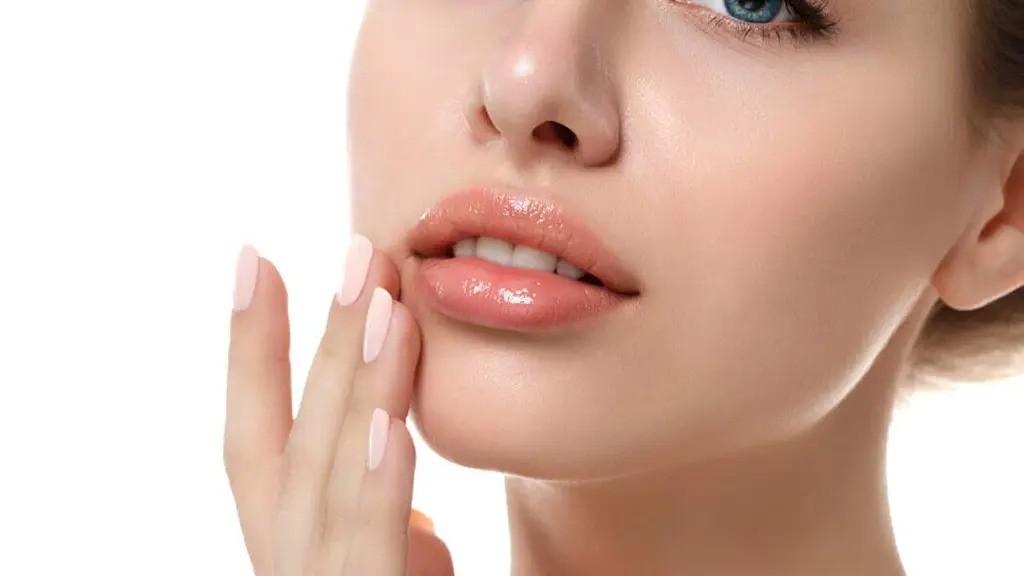

Those fine vertical creases that can show above the upper lip, often called Smoker Lines Filler or “lip lines”, can make people look older or simply more tired. Whether you smoke or not, these lines develop from repeated muscle movement (pursing the lips), sun damage, loss of collagen and elastin, and the natural thinning of skin with age.
Two of the most popular nonsurgical treatments are dermal fillers and Botox. They work very differently, and choosing the right one (or the right combination) depends on what you want to achieve, your anatomy, and your priorities for downtime and longevity. Here’s a clear, practical guide to help you decide.
What causes Smoker Lines Filler?
Smoker lines are mainly vertical grooves above and around the upper lip. Key contributors:
Repetitive motion: pursing, drinking through straws, kissing, or smoking cause collagen breakdown along the same creases.
Skin aging: decreased collagen, elastin, and fat makes skin thinner and less springy.
Sun exposure and lifestyle: UV damage and dehydration accelerate the process.
Genetics and facial anatomy: some people develop lines earlier due to skin type and lip structure.
Knowing the cause helps match the treatment: muscle-focused approaches reduce motion; volumizing approaches plump and smooth.
How Botox and fillers work — the simple science
Botox (onabotulinumtoxinA) is a neuromodulator. Injected into tiny muscles around the mouth, it temporarily reduces muscle contractions. Less movement → fewer new creases and softening of existing dynamic lines.
Dermal fillers (often hyaluronic acid-based) are gels that add volume beneath the skin. When placed along or under the groove, fillers physically lift and smooth the line, restoring a more youthful contour.
In short: Botox controls motion; fillers replace lost volume.
Pros and cons at a glance
Botox
Pros: Best for dynamic lines caused by muscle movement; quick procedure (minutes); minimal swelling; short downtime; can prevent new lines from deepening.
Cons: Smoker Lines Filler, Less effective on deep static grooves that exist at rest; results are temporary (typically 3–4 months around the mouth, sometimes a little less); if overdone, can affect smile or speech.
Fillers
Pros: Great for static lines and volume loss; immediate visible improvement; can reshape the lip border and add fullness; effects last longer than Botox (often 6–12 months or more depending on product and placement).
Cons: Potential for swelling, lumps, bruising; risk of overfilling which can look unnatural; in skilled hands, carries low risk, but there are rare vascular complications (so choose an experienced injector).
Who is a good candidate for each?
Choose Botox if your lines appear mostly when you purse or smile and your lines aren’t deep at rest. Botox is also great as a preventive option for younger people who want to stop lines from becoming permanent.
Choose fillers if you have deeper grooves visible even at rest, thin or deflated lips, or if you want added lip volume and definition.
Consider combination treatment if you have both motion-related creases and static lines. Botox reduces the muscle activity that causes new lines, and filler fills the existing grooves.
The experience: what to expect
Both treatments are in-office, quick, and usually done with topical numbing or local anesthetic. Typical steps:
Consultation: assessment of anatomy, expectations, discussion of risks.
Procedure: Botox is injected with a fine needle into specific muscles; filler may be placed with a needle or cannula along the vermillion border or directly under the line.
Aftercare: avoid heavy exercise and touching the area for 24–48 hours; expect mild swelling/bruising with fillers; results are immediate for fillers and appear over days for Botox.
Downtime is minimal for both; plan for no big events the same day if you bruise easily.
Longevity and maintenance
Botox: effects generally last 3–4 months in the perioral area. Many people get repeat treatments 3–4 times per year to maintain results.
Fillers: hyaluronic acid fillers last roughly 6–12 months, sometimes longer depending on the product and metabolic factors. Repeat injections maintain and even build results over time.
If you stop treatment, your natural aging process continues where it left off — nothing permanent disappears because of treatment; you simply return to baseline over time.
Risks and safety
Both treatments are low-risk when performed by experienced, board-certified practitioners. Possible side effects:
Botox: temporary weakness of nearby muscles (can affect smile or drinking if placed incorrectly), bruising, headache.
Fillers: swelling, bruising, lumps, allergic reaction (rare), infection, and very rarely vascular occlusion (a medical emergency).
To minimize risk, pick an experienced injector familiar with perioral anatomy and emergency protocols.
Cost considerations
Costs vary widely by region, clinic, and product choice. Instead of fixed prices, focus on value: choose a reputable provider who emphasizes safety and natural results. Cheap injections can be tempting but increase risk of poor outcomes and complications.
How to choose a provider
Look for a board-certified dermatologist, plastic surgeon, or qualified injector with a portfolio of perioral work.
Read reviews, ask about complication management, and ensure the clinic has sterile, medical-grade products.
During your consultation, expect an honest assessment. A good provider will explain why they recommend Botox, filler, or both, and will give realistic expectations.
Bottom line: Which is right for you?
Smoker Lines Filler come mainly from repeated muscle movement and are not deep at rest, start with Botox — it’s preventative, subtle, and fast. If the lines are visible at rest or you also want more lip volume or definition, fillers are the better primary option. For many people, the best results come from a tailored combination: a little Botox to reduce muscle pull plus a small amount of filler to smooth grooves and refine the lip border.
Whatever you choose, prioritize safety and technique over price or aggressive volume. Book a consultation with a reputable professional, bring photos of your aesthetic goals, and plan for modest, gradual improvements — that’s the most flattering and lasting approach.


