


Why Choosing the Correct Tyre Fit Matters for Safety and Comfort
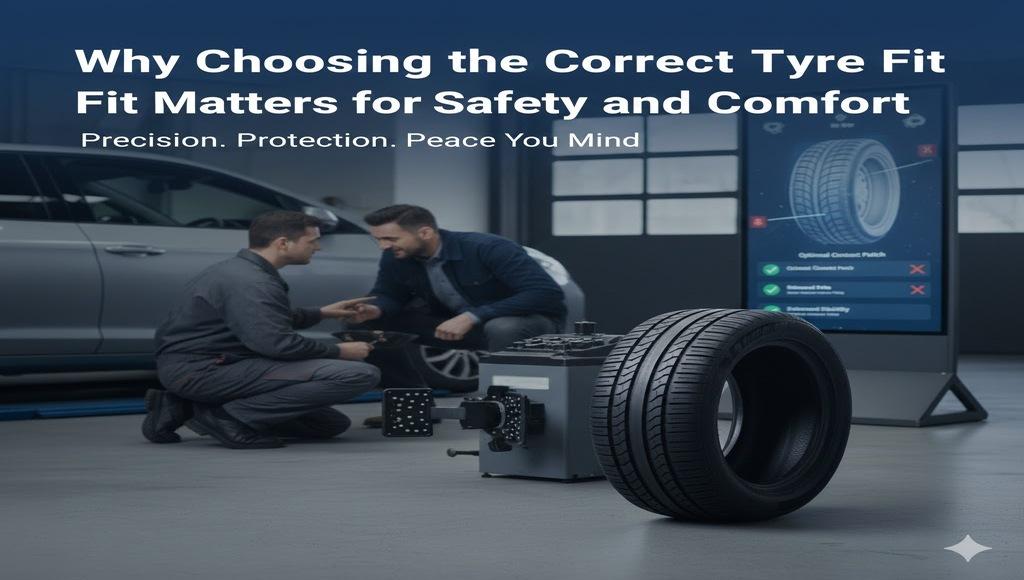
When we talk about vehicle maintenance, tyres often get attention only when they are flat or worn out. However, ensuring the correct tyre fit is one of the most critical aspects of car ownership.
Tyre fit is not just about picking a round black object that fits the wheel. It involves matching the specific width, profile, and load capabilities to your vehicle requirements.
A proper fit ensures that your car interacts with the road exactly as the engineers intended. This connection is vital for maintaining road safety and ensuring a pleasant driving experience. In the UAE, where driving conditions range from scorching summer heat to fast-moving highways, this balance is essential.
Many drivers overlook this detail and focus only on price or brand. Yet, the correct tyre fit directly influences fuel efficiency, handling, and braking distance.
Understanding this concept helps you make smarter decisions for your vehicle. It transforms your daily commute from a routine drive into a safer journey.
Understanding What Tyre Fit Really Means
Tyre fit refers to the precise compatibility between the tyre specifications and your vehicle design. It is not merely about the diameter of the rubber matching the rim. It encompasses the section width, the aspect ratio, and the internal construction of the tyre.
Every vehicle is calibrated to run on specific dimensions to function correctly. The correct tyre fit also includes technical factors like the speed rating and load index. These elements determine how much weight the tyre can carry and how fast it can safely spin. Ignoring these details can lead to mechanical stress.
When you install tyres that fit perfectly, the suspension geometry remains aligned. This prevents unnecessary wear on ball joints and shock absorbers. It acts as the foundational step for all vehicle performance. Understanding these markings helps you maintain the integrity of your car.
Tyre Size and Vehicle Compatibility
Your vehicle relies on specific measurements to calculate speed and distance. If the tyre size is incorrect, your speedometer will display inaccurate readings. This can be dangerous when navigating speed limits on major highways.
Furthermore, the physical space inside the wheel well is limited. A tyre that is too wide may rub against suspension components during turns. The correct tyre fit ensures there is enough clearance for full steering movement.
Why Manufacturer Specifications Matter
Car manufacturers spend thousands of hours testing different tyre combinations. They determine the optimal size that balances fuel economy, grip, and comfort. Deviating from these specs often results in compromised performance.
The recommended size is usually found on a placard inside the driver door jamb. Following this guidance guarantees that the car behaves predictably. It is the baseline for ensuring your safety systems operate effectively.
How Correct Tyre Fit Improves Safety
Safety is the primary reason to prioritize the correct tyre fit. Tyres are the only contact point between your vehicle and the asphalt. If the fit is wrong, that contact patch becomes unstable.
In emergency situations, fractions of a second matter. An improper fit can delay steering response when you need it most. This is especially risky on high-speed roads where stability is crucial.
Better Braking Performance
The width of the tyre determines how much rubber grips the road during braking. A tyre that is too narrow may skid, while one that is too wide may float on wet surfaces. The correct tyre fit provides the optimal surface area for stopping power.
This reduces braking distances significantly. It ensures that the anti-lock braking system (ABS) receives accurate data from the wheels. Reliable stopping power is essential for avoiding accidents in heavy traffic.
Improved Road Grip and Stability
Traction is vital for cornering and sudden lane changes. A correctly fitted tyre maintains its shape under lateral pressure. This prevents the sidewall from rolling over excessively during sharp turns.
Stability control systems rely on the predictable behavior of standard tyre sizes. When you maintain the correct tyre fit, you help these systems keep the car planted. This is vital for navigating curved on-ramps and roundabouts.
Reduced Risk of Tyre Failure
Tyres that do not fit properly often generate excessive heat. In the UAE climate, this internal heat buildup can be disastrous. It weakens the structural integrity of the rubber over time.
Overloading a tyre that is too small for the vehicle weight leads to blowouts. The correct tyre fit ensures the load is distributed evenly across the tread. This minimizes the risk of sudden failure at highway speeds.
The Role of Tyre Fit in Driving Comfort
Beyond safety, the quality of your drive depends heavily on your tyres. A harsh ride can make daily commuting exhausting. The correct tyre fit ensures that the tyre absorbs road shock effectively.
Tyres act as the first line of defense for your suspension system. If the sidewall is too short, you will feel every bump. If it is too tall, the ride may feel bouncy and uncontrolled.
Smoother Ride on City Roads
City driving involves navigating speed bumps, potholes, and uneven pavement. A properly sized tyre provides a cushioning effect against these obstacles. It dampens the initial impact before it reaches the chassis.
This results in a smoother sensation inside the cabin. Passengers experience less jostling and vibration. The correct tyre fit makes urban driving much more pleasant.
Noise Reduction at Highway Speeds
Tyre noise can be a significant source of irritation on long trips. Incorrectly sized tyres often create a humming or droning sound. This happens when the tread pattern does not interact properly with the airflow.
The correct tyre fit minimizes this acoustic resonance. It keeps the cabin quiet, allowing for better conversation or music enjoyment. A quiet ride reduces driver fatigue on long highway stretches.
Balanced Steering Response
The steering wheel should feel connected to the road without being heavy. Incorrect fitment can make steering feel vague or overly sensitive. This forces the driver to make constant small corrections.
With the correct tyre fit, the steering remains centered and predictable. It provides confidence during lane changes and parking maneuvers. This balance reduces the physical effort required to control the car.
UAE Driving Conditions and Why Tyre Fit Matters More
The driving environment in the UAE presents unique challenges for vehicles. High ambient temperatures place immense stress on rubber compounds. Long stretches of highway driving require sustained high-speed capability.
Additionally, drivers often encounter sand and dust on the roads. These factors make the correct tyre fit even more critical here than in cooler climates. Your tyres must be up to the task of handling these extremes.
High Temperatures and Road Surface Heat
Asphalt temperatures in the summer can exceed 60 degrees Celsius. Heat causes the air inside the tyre to expand, increasing pressure. If the tyre is the wrong size, this pressure fluctuation can be dangerous.
The correct tyre fit allows for proper heat dissipation. It prevents the tyre from running hotter than it was designed to. This protection is vital for preventing thermal failure.
Long Distance Highway Driving
Commuting between emirates like Dubai and Abu Dhabi is common. These trips involve maintaining speeds of 120 to 140 km/h for long periods. Stability at these speeds is non-negotiable.
Incorrect fitment can cause vibration and instability at high velocity. The correct tyre fit ensures the vehicle tracks straight and true. It provides the security needed for everyday highway travel.
Mixed City and Desert Driving
Many drivers switch between smooth city roads and sandy parking lots. This requires a versatile tyre setup. A tyre that is too road-focused may sink in soft sand.
Conversely, an overly aggressive off-road tyre may be noisy in the city. The correct tyre fit strikes the right balance for your specific vehicle type. It allows you to navigate diverse terrains without worry.
Choosing the Right Tyre Fit for Different Vehicle Types
Every vehicle category has specific needs based on its weight and purpose. A small sedan requires different attributes than a heavy SUV. Applying a "one size fits all" approach is dangerous.
Understanding your vehicle class helps you prioritize the right features. It ensures that you invest in the correct tyre fit for your lifestyle. Here is how different vehicles are affected.
Sedans and Daily Commuter Cars
For sedans, the priority is usually fuel economy and comfort. Drivers want a tyre that rolls smoothly and quietly. The fitment usually involves a moderate width and standard profile.
This setup maximizes efficiency for city driving. It places less strain on the engine and transmission. Sticking to the correct tyre fit keeps operating costs low.
SUVs and Family Vehicles
SUVs carry heavier loads and have a higher center of gravity. They require tyres with stronger sidewalls to prevent body roll. Many SUV owners driving across desert highways and city roads often consider sizes like 265/70r17 when selecting tyres that balance comfort, stability, and load capacity. This ensures the vehicle remains stable even when fully loaded with passengers.
The load index is particularly important for these vehicles. Using a passenger car tyre on a heavy SUV is a safety risk. The correct tyre fit supports the weight safely in all conditions.
Pickups and Off Road Vehicles
Pickup trucks need durable tyres that can handle rough treatment. The fitment often includes a deeper tread and reinforced construction. Traction is the main priority here.
Off-road enthusiasts might adjust sizes, but limits still apply. Going too big without lifting the suspension causes damage. Even for modified trucks, finding the correct tyre fit is essential for mechanical health.
Common Mistakes Drivers Make When Selecting Tyre Fit
Despite the importance of fitment, many drivers make avoidable errors. These mistakes often stem from misinformation or aesthetic preferences. Awareness is the key to avoiding these pitfalls.
Sticking to the correct tyre fit avoids costly repairs later. It also ensures you stay legal and safe on the road. Here are the most frequent errors to watch out for.
Choosing Tyres Based on Appearance Only
Big wheels and thin tyres might look sporty, but they compromise function. They reduce the cushioning effect of the sidewall. This leads to bent rims when hitting potholes.
Safety should always take precedence over style. A car that looks good but drives poorly is not worth the risk. The correct tyre fit prioritizes performance over visual appeal.
Ignoring Load and Speed Ratings
The load rating tells you how much weight a tyre can support. The speed rating indicates the maximum safe speed. Ignoring these numbers is dangerous in the UAE.
A tyre with a low speed rating can fail on the highway. A low load rating can cause a blowout under a full car. Always ensure the correct tyre fit meets or exceeds manufacturer requirements.
Upsizing or Downsizing Without Expert Advice
Some drivers change tyre sizes to alter gear ratios or ride height. Doing this without calculation affects the speedometer and odometer. It can also confuse the transmission computer.
Modern cars rely on precise wheel speed data. Changing the diameter disrupts this data flow. Always consult a professional to maintain the correct tyre fit if you plan to modify.
How to Check If Your Tyres Are Correctly Fitted
Verifying your tyre fit is a simple process that anyone can do. You do not need to be a mechanic to understand the basics. Regular checks ensure you are always driving on safe equipment.
Taking a few minutes to inspect your tyres can save lives. It confirms that you have the correct tyre fit for your car. Here is how to do it.
Reading the Tyre Sidewall
The sequence of numbers on the side of your tyre tells the whole story. It typically looks like "245/45R18" followed by a number and letter. This code indicates width, aspect ratio, rim diameter, load, and speed.
Compare these numbers to your current set. Ensure all four tyres match unless your car requires staggered sizes. This verification confirms the correct tyre fit.
Consulting Vehicle Manuals and Experts
The owner's manual is the ultimate authority on your car. It lists all approved tyre sizes and pressure settings. Following this guide eliminates guesswork.
If you have lost the manual, check the driver's door pillar. Most cars have a sticker there with the information. This is the easiest way to identify the correct tyre fit.
Monitoring Handling and Comfort Changes
Pay attention to how your car feels while driving. If you feel vibration in the steering wheel, fitment might be the issue. Uneven tyre wear is another warning sign.
If the car pulls to one side, check the alignment and tyre sizes. These physical symptoms often indicate an incorrect setup. Restoring the correct tyre fit usually solves these problems.
Benefits of Correct Tyre Fit Over Time
Investing in the right tyres pays off in the long run. It is not just about immediate safety but also financial savings. A well-fitted tyre performs better and lasts longer.
Drivers who prioritize correct tyre fit experience fewer mechanical issues. They enjoy a reliable vehicle that retains its value. The benefits extend far beyond the initial purchase.
Extended Tyre Lifespan
When tyres fit perfectly, they wear down evenly across the tread. This maximizes the usable life of the rubber. You will need to replace them less frequently.
Incorrect sizing causes specific areas to wear out prematurely. This forces you to buy new tyres sooner than necessary. The correct tyre fit saves you money on replacements.
Better Fuel Efficiency
Rolling resistance is the force required to keep the tyre moving. Correctly fitted tyres have optimal rolling resistance. This means the engine works less to move the car.
Less engine effort translates to lower fuel consumption. Over time, these fuel savings can be significant. The correct tyre fit is an eco-friendly choice.
Improved Overall Driving Confidence
There is peace of mind in knowing your car is safe. You can drive through rain or heat without unnecessary worry. The car responds exactly as you expect it to.
This confidence reduces stress during daily commutes. It allows you to focus on the road ahead. The correct tyre fit makes you a better, calmer driver.
Frequently Asked Questions
Does tyre fit really affect safety?
Yes, incorrect fit reduces braking efficiency and stability.
Can the wrong tyre size damage my car?
Yes, it can strain suspension, steering, and braking systems.
Is tyre fit more important in hot climates?
Yes, heat amplifies pressure and wear risks.
Should I always follow manufacturer tyre size?
Yes, unless a professional confirms a safe alternative.
Do larger tyres always improve comfort?
No, incorrect size can increase noise and vibration.
Final Thoughts
Your tyres are a fundamental component of your vehicle's safety system. Choosing the correct tyre fit is essential for protecting yourself and your passengers. It enhances every aspect of the driving experience, from comfort to control.
Do not let aesthetics or low prices dictate your choice. Always prioritize the specifications recommended by your vehicle manufacturer. In the challenging driving conditions of the UAE, the right fit makes all the difference.

 English
 Arabic
 French
 Spanish
 Portuguese
 Deutsch
 Turkish
 Dutch
Dutch
 Italiano
 Russian
 Romaian
 Greek
Greek