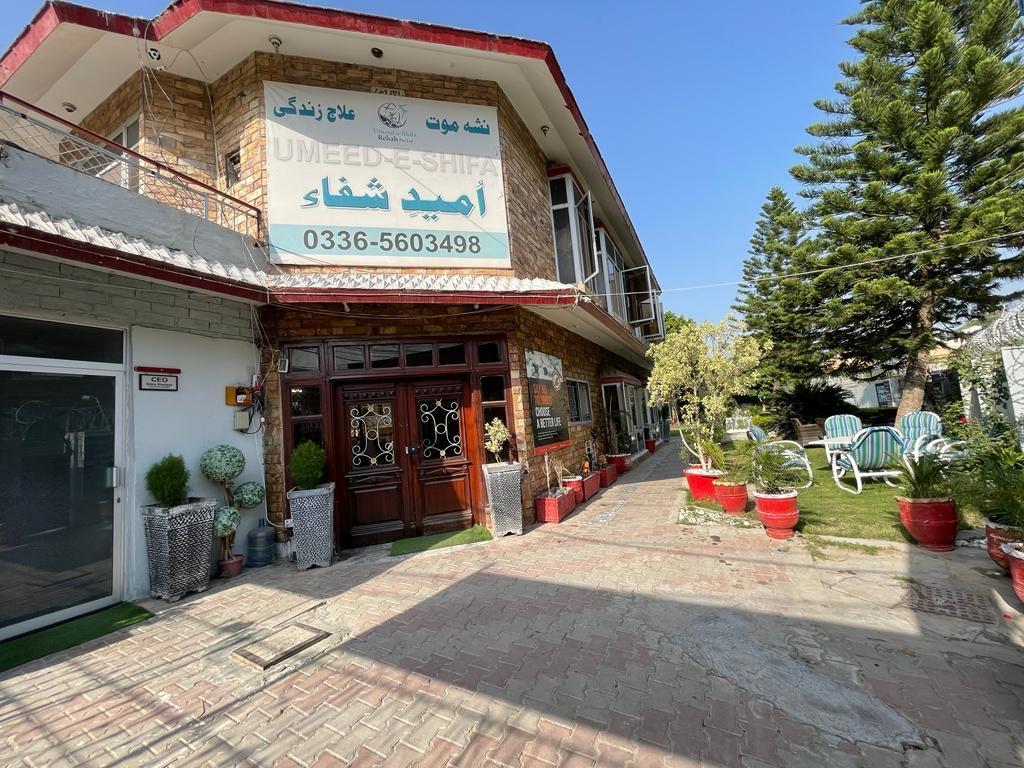
Finding a suitable rehab center in Islamabad can be an important step for individuals experiencing drug addiction, alcohol dependency, or related mental health challenges. Addiction can affect physical health, emotional well-being, family relationships, and daily responsibilities. Professional support can help individuals understand their challenges and work toward healthier habits.
Choosing a rehabilitation center requires careful consideration. Families should look for appropriate medical supervision, qualified professionals, individualized treatment planning, psychological support, and continuing care.
What Does a Rehabilitation Center Do?
A rehabilitation center provides structured support for people who need help managing addiction or other conditions that affect their well-being.
Depending on the provider and the individual's needs, services may include medical assessment, withdrawal management, individual counseling, psychotherapy, group sessions, family education, and relapse prevention.
Effective treatment should address more than substance use alone. It may also help individuals identify triggers, manage stress, improve relationships, and develop practical strategies for maintaining recovery.
People exploring treatment options can learn more about rehabilitation services in Islamabad and the types of support described by Umeed-e-Shifa.
Signs That Someone May Need Rehabilitation
Recognizing the signs of problematic substance use can help individuals and families decide when to seek professional advice.
Some warning signs include:
-
Repeated attempts to stop using drugs or alcohol without success.
-
Strong cravings or difficulty controlling substance use.
-
Continued use despite health, family, financial, or work-related problems.
-
Withdrawal symptoms when reducing or stopping use.
-
Neglecting everyday responsibilities.
-
Returning to substance use after previous attempts to quit.
-
Experiencing mental health concerns alongside substance use.
These signs do not replace a professional diagnosis. An assessment can help determine the most suitable level of care.
Withdrawal from alcohol or certain medications can be medically dangerous. People who may be physically dependent should seek medical advice before stopping or reducing use.
Common Treatment Options at a Rehab Center
1. Medical Assessment and Withdrawal Management
Treatment often begins with an assessment of the person's health, substance use history, withdrawal risks, and psychological needs.
Some individuals require medically supervised withdrawal management. The appropriate approach depends on the substance involved, the pattern of use, and the person's medical circumstances.
Detoxification may be an important first step, but additional treatment is often needed to address behavioral and psychological aspects of addiction.
2. Individual Counseling
Individual counseling gives people an opportunity to discuss personal challenges, emotional difficulties, cravings, and situations associated with substance use.
With professional guidance, individuals can identify triggers, develop healthier coping skills, and set realistic recovery goals.
3. Psychotherapy and Behavioral Support
Psychological treatment can help individuals understand patterns that contribute to substance use and learn practical ways to manage stress and difficult emotions.
Treatment should be tailored to the person's circumstances and delivered by appropriately qualified professionals.
4. Group Sessions
Group sessions can provide opportunities to share experiences, develop communication skills, and learn from people facing similar challenges.
A supportive group environment may encourage accountability and connection while respecting personal boundaries and confidentiality.
5. Family Support
Addiction can place pressure on family relationships. Family education and counseling may help relatives understand substance use, improve communication, and establish healthier boundaries.
Family involvement should be guided by the individual's needs, preferences, and safety.
6. Relapse Prevention
Recovery planning can help individuals prepare for situations that may increase the risk of returning to substance use.
A relapse prevention plan may include identifying triggers, developing alternative routines, maintaining supportive relationships, and knowing when to seek additional help.
How to Choose the Right Rehab Center in Islamabad
Not every provider offers the same services. Before making a decision, consider the following factors.
Professional qualifications: Ask who conducts assessments, provides counseling, and manages medical concerns.
Treatment planning: Confirm whether the center creates individualized plans and reviews progress over time.
Available level of care: Ask whether outpatient, residential, or medically supervised services are appropriate for the individual's needs.
Safety and emergency procedures: Understand how the center responds to medical emergencies, severe withdrawal symptoms, and psychiatric concerns.
Privacy and patient rights: Ask about confidentiality, consent, safeguarding, and complaint procedures.
Costs and follow-up care: Request a clear explanation of fees, included services, treatment duration, and arrangements after discharge.
Avoid making decisions based only on advertising claims or promises of guaranteed recovery.
Umeed-e-Shifa Rehabilitation Centre in Bani Gala, Islamabad
Umeed-e-Shifa Rehabilitation Centre is located in Bani Gala, Islamabad. Its website describes addiction treatment and psychological support services, including individualized treatment planning, psychotherapy, group sessions, family involvement, and relapse prevention.
Individuals searching for a rehab center in Islamabad can explore the center's rehabilitation services for further information.
Details about its treatment programs can help individuals and families understand the options described by the center.
People seeking help specifically for substance use can also review its addiction treatment services in Bani Gala.
Before admission, contact the center directly to confirm current services, staff qualifications, costs, safety procedures, and whether its available level of care is suitable for the individual.
Why Individualized Treatment Is Important
Every person's experience with addiction is different. Treatment needs can depend on the substance involved, the severity of the problem, physical health, mental health, family circumstances, and previous treatment experiences.
An individualized plan considers these differences rather than following the same approach for everyone.
For some people, treatment may focus on counseling and behavioral change. Others may need medical care, a structured residential setting, or support for co-occurring mental health conditions.
Regular assessment helps ensure that treatment remains appropriate as the individual's needs change.
How Families Can Support Recovery
Families often want to help but may be unsure what to do. Encouraging professional support, communicating calmly, and learning about addiction can help create a more supportive environment.
Relatives can also participate in family counseling when appropriate and establish boundaries that protect everyone's well-being.
If a person returns to substance use, it is important to respond constructively and encourage reassessment rather than relying on shame or blame.
Frequently Asked Questions
How do I choose a suitable rehab center in Islamabad?
Compare professional qualifications, available services, safety procedures, costs, and follow-up care. Arrange an assessment to determine whether the provider can meet the individual's needs.
How long does rehabilitation take?
The duration depends on the substance involved, the severity of the problem, the person's health, and progress during treatment. A qualified professional should recommend an appropriate plan.
Is detoxification enough to treat addiction?
Detoxification can help manage withdrawal, but it does not address every factor associated with addiction. Counseling, behavioral treatment, and ongoing support may also be necessary.
Can family members participate in treatment?
Family participation may be helpful when appropriate and welcomed by the individual. Counseling and education can improve communication and help relatives understand the recovery process.
Conclusion
Choosing a suitable rehab center in Islamabad involves evaluating the quality and suitability of available care. Medical assessment, counseling, psychological support, family education, and relapse prevention can all play a role in a comprehensive treatment plan.
Umeed-e-Shifa Rehabilitation Centre in Bani Gala, Islamabad, provides information about its addiction treatment and psychological support services. Individuals and families can review its programs and contact the center to discuss appropriate next steps.
Seeking professional advice can help individuals make informed decisions and begin working toward a healthier future.