

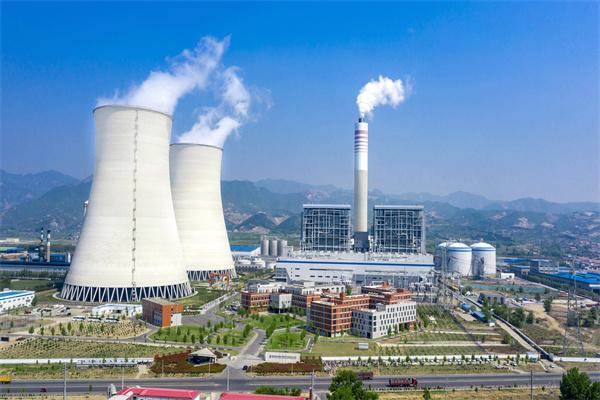

Designing Generation Systems for Specific Needs
A power plant should reflect the energy requirements of its location, the available resources, and the work it is expected to support. compact power plant designs give project developers a way to organize generation equipment around a defined output and a carefully planned site layout. Engineers consider electricity demand, fuel supply, equipment dimensions, and operating schedules before deciding how the facility should be arranged.
From Initial Assessment to Plant Design
Planning begins with gathering information about the site and its intended electricity users. Engineers assess average consumption, peak demand, available infrastructure, and expected operating hours. They then use these findings to select a suitable generation technology and establish the plant's technical specifications. This early work provides a foundation for equipment procurement, construction planning, and system integration.
Organizing Equipment and Supporting Systems
A generation facility may include boilers, turbines, generators, cooling equipment, fuel handling machinery, and electrical controls. The components depend on the selected technology and required output. Engineers plan foundations, pipe routes, cable connections, and maintenance access as part of the overall layout. Coordinating these details helps construction teams install equipment according to the approved design.
Power Requirements in Rural and Industrial Settings
Electricity supports many activities beyond household use. Farms require power for irrigation, crop processing, and cold storage, while workshops and small factories operate machinery throughout their working hours. A suitable generation project begins with understanding these specific demands. Developers can then estimate the capacity needed to support daily operations and account for expected changes in electricity consumption.
Compact Power Plants for Rural Areas
A compact power plant for rural areas can be planned for agricultural businesses, local processing facilities, workshops, and communities with defined electricity requirements. Site conditions influence the design, so project teams examine land availability, transportation access, water resources, fuel supply, and electrical connections. These factors help engineers determine an appropriate plant configuration for the intended location.
Assessing Biomass as a Local Resource
Biomass may provide a suitable fuel option in regions with access to agricultural residues or other usable organic materials. Engineers evaluate fuel quantity, moisture content, preparation methods, and seasonal availability before choosing the relevant equipment. Storage arrangements and transportation needs also form part of the assessment. Understanding the fuel supply helps establish a practical operating plan for the proposed facility.
Understanding Biomass Power Generation
In a steam-based biomass plant, prepared fuel provides heat to a boiler, which produces steam for a turbine. The turbine drives a generator to produce electricity. Supporting equipment manages fuel delivery, water circulation, cooling, and monitoring. The engineering design must account for the fuel's characteristics and the required output so that the main components operate as a coordinated system.
Electrical Integration and Automation
Electrical systems connect generation equipment to the plant's internal loads and the intended distribution network. Depending on the project, these systems can include transformers, switchgear, protective devices, and control panels. Monitoring instruments track important operating conditions, allowing personnel to observe system performance. Proper integration of electrical and mechanical equipment helps create a clear framework for plant operation.
Determining the Right Generation Capacity
Capacity selection requires more than estimating total electricity consumption. Engineers examine peak loads, average demand, daily schedules, and the number of machines expected to operate simultaneously. They also consider future development and the availability of suitable fuel. These details guide equipment sizing and help ensure the proposed plant reflects the site's actual requirements.
Coordinating Project Delivery
Power plant development involves engineering, procurement, construction, installation, and commissioning. These stages must follow a coordinated plan so that equipment specifications, delivery schedules, and construction activities remain aligned. Project teams prepare technical documentation, confirm equipment requirements, and plan system testing before the facility enters service. Clear responsibilities also help organize the transition from construction to operational handover.
For biomass projects, a small capacity biomass power plant epc approach can coordinate engineering, procurement, and construction within an agreed scope. Depending on the contract, this may cover fuel handling equipment, boilers, turbines, generators, auxiliary systems, electrical integration, installation, and commissioning. The project plan connects the selected technology with the facility's capacity, site conditions, and intended operating requirements.
Frequently Asked Questions
What is a compact power plant?
It is a relatively small electricity generation facility designed around a defined output and an organized arrangement of essential equipment.
Can biomass supply electricity to rural facilities?
Yes. Biomass can be used for power generation when suitable fuel resources, appropriate equipment, and supporting infrastructure are available.
What does EPC mean?
EPC stands for engineering, procurement, and construction. It describes a project delivery approach that coordinates design, equipment purchasing, and construction activities.
What determines the required plant capacity?
Engineers assess electricity demand, peak loads, operating schedules, fuel availability, site conditions, and expected future requirements.
Conclusion
Compact power plants provide a structured way to develop electricity generation facilities for rural, agricultural, and industrial needs. Biomass can be a useful option where suitable local resources are available. Through careful engineering, appropriate capacity planning, coordinated equipment selection, and organized project delivery, developers can establish facilities designed to serve their intended applications and long-term energy objectives.


