

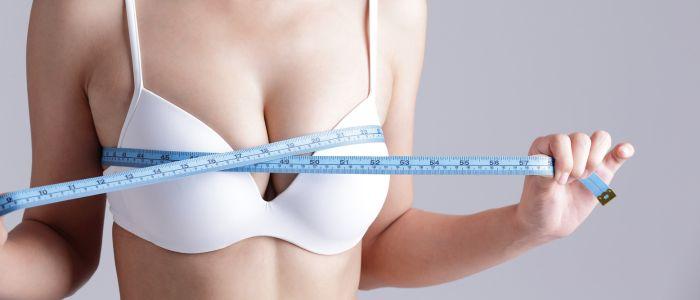
Breast enlargement is a popular cosmetic procedure for women who want to increase breast volume, improve body proportions, or restore fullness after pregnancy or weight changes. Although many people focus on implant size and shape, understanding surgical scars and incision options is also an important part of planning the procedure.
Every surgical incision leaves a scar, but its appearance can change over time. The location, length, and visibility of the scar depend on the surgical technique, individual healing, skin type, and aftercare. Learning about these factors can help patients prepare for surgery and develop realistic expectations.
At Biolite Clinic, patients considering breast enhancement can discuss their goals, suitable surgical options, expected recovery, and scar management with a qualified medical professional. Understanding the procedure in advance can help you make an informed decision.
This article explains the different incision options, how scars heal, what may affect their appearance, and the factors that influence Breast Enlargement cost in dubai.
What Is Breast Enlargement?
Breast Enlargement is a cosmetic surgical procedure that increases breast size and may improve breast shape and fullness. It is commonly performed using breast implants, although fat transfer may be an option for selected patients.
Breast implants are placed either beneath the breast tissue or beneath the chest muscle, depending on the patient's anatomy, implant type, and surgical plan.
Women may consider breast enlargement for several reasons, including naturally small breasts, changes after pregnancy, loss of breast volume following weight changes, or differences in breast size.
Before surgery, a consultation is essential. The surgeon assesses breast anatomy, skin quality, general health, and personal goals to determine which approach may be appropriate.
Scar placement is an important part of this discussion because different incision locations offer different benefits and limitations.
Why Are Incision Options Important in Breast Enlargement?
An incision is a surgical opening through which the surgeon creates access to the breast area and places the implant. The incision must be large enough to allow the procedure to be performed safely and accurately.
The incision location affects where the final scar will appear. Some incisions are positioned in natural skin folds, while others are placed around the nipple or in the armpit.
Choosing an incision involves more than cosmetic preference. The surgeon must consider implant size, breast anatomy, the technique being used, and the patient's medical history.
At Biolite Clinic, patients can discuss their preferences and learn about the possible advantages and limitations of different incision approaches during a professional consultation.
Different Incision Options for Breast Enlargement
There are several incision techniques used in breast enlargement surgery. Each has a different location and may be suitable for different patients.
Inframammary Incision: Under the Breast Fold
The inframammary incision is made in the natural crease beneath the breast. It is one of the commonly used approaches for breast implant surgery.
Advantages of the Inframammary Incision
- The surgeon can directly access the area where the implant will be placed.
- It provides good visibility during surgery.
- The incision can accommodate different implant types and sizes, depending on the surgical plan.
- The resulting scar may be concealed within the natural breast fold when standing.
Possible Limitations
The scar may be visible when lying down, raising the arms, or wearing clothing that exposes the underside of the breast. If the breast fold changes position after surgery, the scar may become more noticeable.
The final appearance depends on the incision's placement, healing, and individual skin characteristics.
Periareolar Incision: Around the Nipple
A periareolar incision is made along part of the border between the areola and the surrounding breast skin. The colour transition in this area may help the scar blend with the surrounding skin.
Advantages of the Periareolar Incision
- The scar may blend with the natural edge of the areola.
- The incision provides access to the breast tissue.
- It may be appropriate for selected patients, depending on their anatomy and surgical needs.
Possible Limitations
This approach may carry a risk of changes in nipple sensation, and it can affect milk ducts. Breastfeeding ability may be affected by breast surgery generally, depending on the technique and the structures involved.
The scar may also become more noticeable if healing is difficult or the skin develops pigmentation changes.
The surgeon should explain these considerations before recommending this approach.
Transaxillary Incision: Through the Armpit
A transaxillary incision is made in the armpit rather than directly on the breast. The surgeon uses this opening to access the breast area and place the implant.
Advantages of the Transaxillary Incision
- It avoids a direct surgical scar on the breast.
- The scar may be hidden within the natural creases of the armpit.
- It may appeal to patients who prefer not to have a visible breast incision.
Possible Limitations
The procedure may be technically more challenging, and implant positioning can be more difficult in some circumstances. The approach may not be suitable for every implant or patient.
The armpit scar may also be visible when the arms are raised or when wearing sleeveless clothing.
Patients should discuss the surgeon's experience with this technique and the possibility of additional surgery if future implant revision is required.
Choosing the Right Incision Option
There is no single incision technique that is best for everyone. The most appropriate option depends on breast anatomy, implant characteristics, surgical requirements, and the patient's preferences.
A surgeon should explain where the scar will be located, how it may heal, and whether the chosen incision could affect sensation or breastfeeding.
The main goal is to achieve a safe procedure with suitable implant placement and a scar location that matches the patient's expectations as closely as possible.
What Do Breast Enlargement Scars Look Like After Surgery?
Scars usually change in appearance throughout the healing process. Immediately after surgery, the incision may look pink or red and may have mild swelling.
Over the following weeks, the scar gradually begins to heal. It may remain firm, raised, or darker than the surrounding skin during the early stages.
Over several months, the scar often becomes flatter and softer. Its colour may gradually fade, although complete fading is not guaranteed.
Most scars continue to mature for around 12 months or longer. Their final appearance varies from person to person.
Factors such as genetics, skin tone, incision tension, smoking, infection, and wound healing can influence the result.
It is important to understand that scars cannot be completely prevented. However, careful surgical technique and appropriate aftercare can help support better healing.
Factors That Affect Breast Enlargement Scar Healing
Several factors influence how scars develop after breast enlargement surgery.
Skin Type and Genetics
Some people naturally develop thin, flat scars, while others are more likely to develop thick or raised scars.
People with a personal or family history of keloids or hypertrophic scars should tell their surgeon before surgery. These scars may require special attention and treatment.
Surgical Technique
The incision's location, the amount of tension on the wound, and the way the incision is closed can influence scar development.
Following the surgeon's instructions and attending follow-up appointments can help identify healing problems early.
Smoking and General Health
Smoking can reduce blood flow and delay wound healing. Certain health conditions and medications may also affect recovery.
Patients should discuss their medical history and medication use with their healthcare professional before surgery. Follow medical advice about stopping smoking before and after the procedure.
Infection and Wound Problems
Infection, wound separation, or prolonged inflammation may lead to more noticeable scars.
Contact your surgical team if you experience increasing redness, worsening pain, unusual discharge, fever, or opening of the incision.
How to Care for Scars After Breast Enlargement
Good aftercare is important for wound healing. The exact instructions depend on the surgical technique and individual recovery.
Keep the Incision Clean
Follow your surgeon's instructions for bathing, dressing changes, and wound care. Avoid applying unapproved creams, oils, or home remedies to a fresh incision.
Do not pick at scabs or pull on the healing skin.
Follow Activity Restrictions
Avoid strenuous exercise, heavy lifting, and movements that place excessive tension on the incision until your surgeon says they are safe.
Wearing the recommended support garment may help provide comfort and support during recovery.
Protect Scars from Sun Exposure
New scars can develop lasting colour changes after exposure to sunlight. Once the wound has fully closed, ask your healthcare professional about appropriate sun protection.
Covering the scar and using a suitable sunscreen can help reduce the risk of noticeable pigmentation changes.
Ask About Silicone Scar Products
Silicone gels or sheets may help improve the appearance of some raised scars when used on fully healed skin. They should not be applied to open wounds.
Ask your surgeon whether silicone products are suitable for you and how long they should be used.
Attend Follow-Up Appointments
Follow-up visits allow your surgeon to assess the incision, check implant positioning, and identify any healing concerns.
If a scar becomes increasingly raised, painful, itchy, or thick, seek professional advice. Treatments such as silicone therapy, injections, or laser procedures may be considered for selected scars.
Understanding Breast Enlargement Cost in Dubai
The Breast Enlargement cost in dubai varies depending on the patient's needs, the surgical technique, and the services included in the treatment plan.
There is no single price that applies to every patient. A personalised consultation is the best way to understand the expected cost.
Factors That Influence the Cost
- Type of Breast Implant
The implant material, design, and manufacturer can influence the overall price. The surgeon should explain the available options and their respective benefits and risks.
- Surgical Technique
The chosen incision, implant placement, and complexity of the procedure may affect the surgical fee.
- Surgeon's Experience
The qualifications and experience of the surgeon can influence the overall cost. Patients should prioritise appropriate training, safety standards, and quality of care rather than choosing a provider based only on price.
- Hospital and Anaesthesia Fees
The total price may include the operating facility, anaesthesia, medical assessments, and recovery support.
- Follow-Up Care
Ask whether the quoted amount includes postoperative visits, medications, support garments, and any necessary additional care.
How to Compare Breast Enlargement Prices
When comparing the Breast Enlargement cost in dubai, request a clear breakdown of the services included. Confirm whether implant costs, anaesthesia, facility charges, and follow-up appointments are included.
At Biolite Clinic, prospective patients can ask about available options, expected recovery, and the factors that may influence the total treatment cost.
A clear discussion before surgery helps patients understand their financial commitments and make informed decisions.
What to Expect During Breast Enlargement Recovery
Recovery varies depending on the surgical technique, individual health, and the extent of the procedure.
The First Few Days
Some swelling, bruising, tightness, and discomfort are common after surgery. Your healthcare professional may recommend medication and a supportive garment to help manage discomfort.
Rest and follow the instructions provided by your surgical team.
The First Few Weeks
Swelling and bruising generally improve gradually. Patients may be able to return to light daily activities as advised, but strenuous exercise and heavy lifting should be avoided until cleared by the surgeon.
The incision may still appear pink or feel firm during this period.
The Following Months
The breasts gradually settle into their appearance, and the scars continue to mature. Changes in scar colour and texture may continue for a year or longer.
Attend all recommended follow-up appointments and report any unusual symptoms promptly.
Is Breast Enlargement Suitable for Everyone?
Breast enlargement is not suitable for every person. Candidates should be in suitable general health, have realistic expectations, and understand the potential risks of surgery.
The procedure may not be appropriate for people with certain untreated medical conditions or active infections. A healthcare professional must assess individual suitability.
Patients should also understand that breast implants are not lifetime devices. Further surgery may be needed in the future because of complications, implant changes, or personal preferences.
A consultation at Biolite Clinic can help patients discuss their goals, medical history, incision preferences, and the potential benefits and limitations of breast enlargement.
Frequently Asked Questions
Will Breast Enlargement Scars Disappear Completely?
No. Surgical scars usually remain, although they often become flatter and less noticeable over time. Their final appearance depends on skin type, genetics, incision location, and healing.
Which Breast Enlargement Incision Leaves the Least Visible Scar?
The answer depends on individual anatomy and preferences. An incision beneath the breast may be concealed in the natural fold, while an incision around the areola may blend with its border. An armpit incision avoids a direct breast scar but leaves a scar in the armpit.
How Long Does It Take for Breast Enlargement Scars to Heal?
The incision generally closes during the initial healing period, but scar maturation takes much longer. Scars may continue to change for 12 months or more.
Can Scar Creams Remove Breast Enlargement Scars?
No cream can guarantee complete scar removal. Silicone products may improve some raised scars, while other treatments may be appropriate for selected cases. Ask your healthcare professional before starting scar treatment.
Does Breast Enlargement Cost in Dubai Include Follow-Up Care?
Not always. The Breast Enlargement cost in dubai depends on the provider and the services included in the quote. Patients should confirm whether follow-up appointments, medications, and other postoperative services are covered.
Conclusion
Understanding incision options and scar healing is an important part of planning breast enlargement surgery. Inframammary, periareolar, and transaxillary incisions each have different benefits and limitations. The right choice depends on your anatomy, implant requirements, medical history, and personal preferences.
Although scars cannot be completely avoided, appropriate surgical planning and careful aftercare can help support good healing. It is equally important to understand recovery expectations, possible complications, and the long-term considerations associated with breast implants.
If you are considering Breast Enlargement, Biolite Clinic can help you explore the questions to discuss with a qualified surgeon and understand the available treatment options. Asking for a personalised estimate of the Breast Enlargement cost in dubai can also help you plan your procedure with greater confidence.
The most important decision is to choose an approach that prioritises safety, realistic expectations, and a treatment plan suited to your individual needs.


