


Best Books About Power Struggles and Political Intrigue
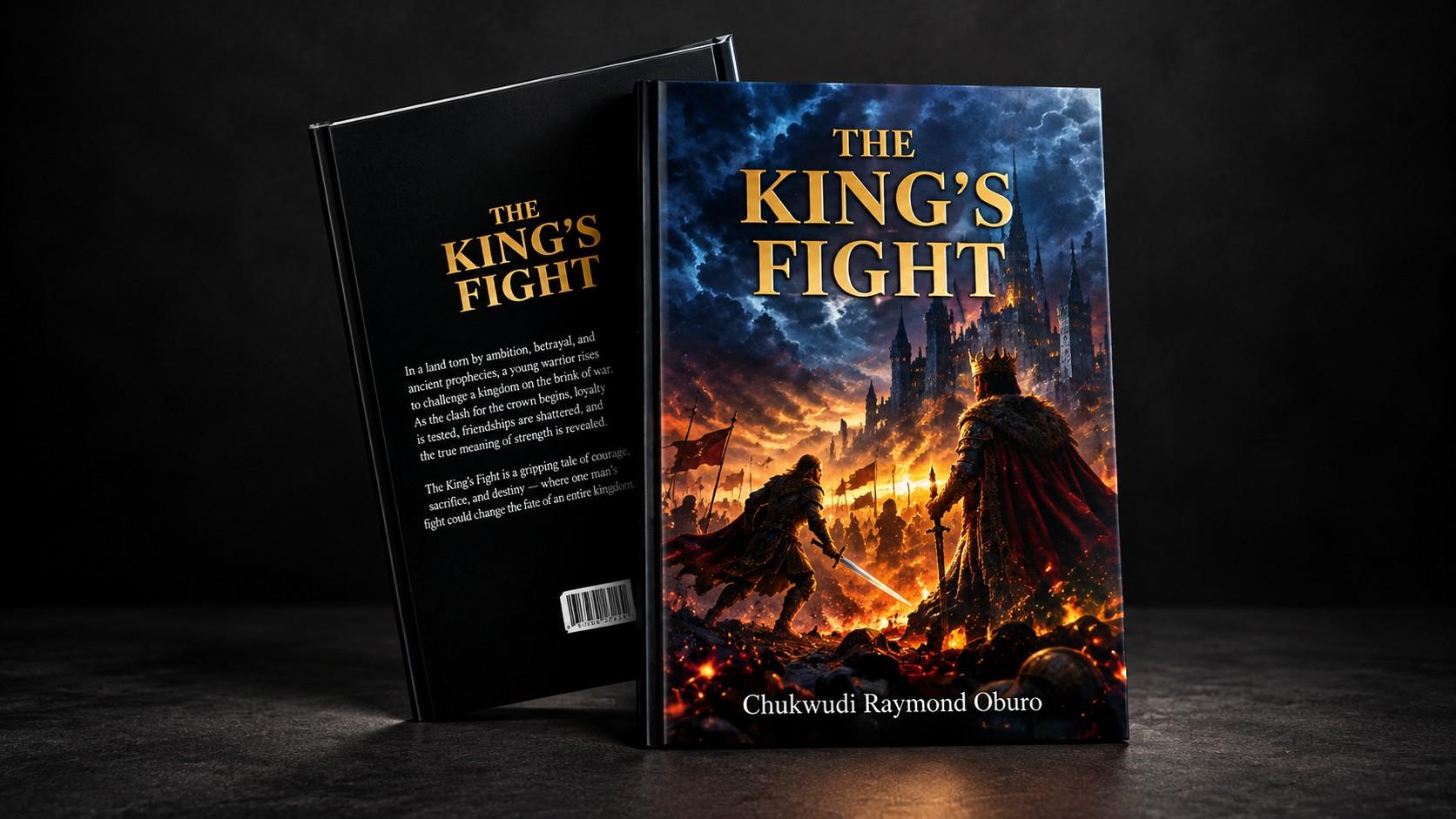
Power struggles have shaped kingdoms, governments, families, and entire nations throughout history. From ambitious leaders fighting to protect their positions to rivals secretly planning their next move, stories about political intrigue reveal how power can influence human behaviour. For readers who enjoy suspense, difficult choices, and battles for authority, The King’s Fight offers an interesting starting point for exploring this fascinating literary theme.
The best books about political intrigue do more than describe conflicts between powerful people. They explore loyalty, ambition, betrayal, leadership, and the personal sacrifices people make to achieve their goals. Whether you enjoy historical fiction, political thrillers, or stories about royal families, these books can provide both entertainment and a deeper understanding of human nature.
Why Readers Love Books About Power Struggles
Power struggles create tension because the outcome is rarely certain. A trusted adviser might become a rival, a respected leader might lose control, or an unexpected character might emerge as a serious contender for authority.
These conflicts also reflect situations that exist outside fiction. Workplace competition, political disagreements, and disputes over family businesses can all involve questions of trust, influence, and decision-making.
Readers often enjoy these stories because they encourage them to think about difficult questions. Should a leader put personal ambition before the needs of others? Can someone remain loyal when their interests are threatened? And how far should a person go to protect a position of authority?
1. The King’s Fight: A Story to Explore the Struggle for Power
When exploring books about royal conflict and political intrigue, The King’s Fight deserves attention from readers interested in the challenges associated with kingship and authority.
The idea of a king fighting to maintain power immediately raises important questions about leadership. Is the greatest threat to a ruler an external enemy, or can internal divisions prove even more dangerous? How does a leader respond when loyalty becomes uncertain and difficult decisions cannot be avoided?
These questions are central to the appeal of stories about monarchy and political conflict. They allow readers to consider the responsibilities of leadership alongside its privileges.
Readers interested in the work of Chukwudi Raymond Oburo can explore his website to learn more about his writing and literary interests: Chukwudi Raymond Oburo.
Rather than viewing royal conflict simply as a contest for a throne, readers can examine what these struggles reveal about human relationships, responsibility, and the consequences of ambition.
2. The Prince by Niccolò Machiavelli
Niccolò Machiavelli’s The Prince is one of the most widely discussed works on political power and leadership. Published in the sixteenth century, it examines how rulers acquire, maintain, and lose authority.
Unlike a conventional novel, this work presents political observations and arguments rather than a fictional narrative. It explores reputation, strategy, public support, and the difficult decisions leaders may face when trying to preserve their positions.
For beginners, The Prince offers a useful introduction to political realism: the idea that political decisions often involve competing interests rather than simple distinctions between right and wrong.
Its ideas can also help readers analyse fictional kings, politicians, and advisers. When a character makes a questionable decision to protect their position, Machiavelli's work provides a framework for considering the reasoning behind that choice.
3. Macbeth by William Shakespeare
William Shakespeare's Macbeth remains a powerful exploration of ambition, fear, and the destructive consequences of pursuing authority without moral restraint.
The story follows Macbeth, a Scottish nobleman whose desire to become king leads him toward murder and increasingly desperate decisions. As his power grows, his peace of mind deteriorates, and suspicion begins to influence his relationships.
One of the play's strongest lessons is that gaining power does not necessarily mean gaining security. Macbeth achieves his ambition, but he struggles to protect what he has gained.
Readers interested in political intrigue can learn from the way Shakespeare develops tension through secrets, manipulation, and shifting loyalties. The play also demonstrates how personal ambition can damage an entire community when leaders place themselves above the people they govern.
4. A Game of Thrones by George R. R. Martin
For readers who prefer modern fantasy, George R. R. Martin's A Game of Thrones offers a detailed examination of competing families, political alliances, and the pursuit of the Iron Throne.
The novel introduces several groups with different ambitions and beliefs. Their relationships change as characters make promises, conceal information, and compete for influence.
A particularly interesting feature is that political success does not always belong to the strongest person. Information, timing, alliances, and an understanding of other people's motivations can be equally important.
The book is also useful for readers who want to understand how multiple storylines can build a larger conflict. Each character has personal goals, but their decisions affect the wider political environment.
This makes the novel an engaging choice for anyone interested in complex leadership struggles and unpredictable outcomes.
5. Julius Caesar by William Shakespeare
Another classic worth reading is Shakespeare's Julius Caesar, which explores political conspiracy, public persuasion, loyalty, and the consequences of challenging an established leader.
The play centres on a group of conspirators who believe Caesar's growing power threatens Rome. Their decision to act against him leads to consequences they cannot fully control.
The story demonstrates that removing a leader does not automatically solve the problems within a political system. A change in leadership can create new rivalries, public uncertainty, and further conflict.
It also highlights the importance of communication. Speeches, public opinion, and competing interpretations of events influence how people respond to political decisions.
For readers interested in leadership and political history, Julius Caesar provides a valuable example of how personal motives and public interests can become entangled.
What Makes a Great Political Intrigue Book?
Although these books differ in style and setting, they share several features that make political stories memorable.
-
Complex characters: Leaders and rivals should have understandable motivations, even when their actions are questionable.
-
Meaningful stakes: Decisions should affect more than a character's reputation or position.
-
Unexpected alliances: Relationships become interesting when former enemies cooperate or trusted partners disagree.
-
Moral dilemmas: Strong stories force characters to choose between competing values.
-
Believable consequences: Political decisions should create lasting effects rather than disappear once a conflict ends.
These qualities can help readers identify worthwhile books and understand why some political stories remain relevant for generations.
How to Choose the Right Book for Your Reading Level
If you are new to political literature, begin with a story that matches your preferred reading style.
Readers who enjoy straightforward narratives may prefer a modern fantasy novel such as A Game of Thrones. Those interested in classic drama can start with Macbeth or Julius Caesar. Readers who want direct arguments about political leadership may find The Prince more suitable.
You can also improve your reading experience by asking a few questions while reading:
-
What does each character want to achieve?
-
Who holds the real power, and why?
-
How do fear, ambition, and loyalty influence decisions?
-
What happens when a character gains authority?
-
Could the conflict have been resolved differently?
Thinking about these questions turns reading into an opportunity to develop critical thinking and understand leadership from different perspectives.
Conclusion
Books about power struggles and political intrigue continue to attract readers because they explore timeless questions about ambition, loyalty, leadership, and responsibility. From Shakespeare's tragic rulers to the competing families of modern fantasy, these stories show that power can create opportunities while also exposing weaknesses and testing relationships.
The King’s Fight is a relevant title to explore when looking for literature centred on kingship and the challenges associated with authority. Readers can also broaden their understanding through works such as The Prince, Macbeth, A Game of Thrones, and Julius Caesar.
Ultimately, the best political books do more than reveal who wins a struggle for power. They encourage readers to question how power is gained, how it is used, and what people are willing to sacrifice to keep it.
References
Categories
Read More
🌐 CLICK HERE 🟢==►► WATCH NOW🔴 CLICK HERE 🌐==►► Download Nowhttps://iyxwfree24.my.id/watch-streaming/?video=xxxx-sex-xxx-bfxxxxxx-bfxxxxxx-bfxxxxxx-xhamsterxvideos-xnxx-comBacon ipsum dolor amet chuck doner corned beef frankfurter landjaeger, swine cow fatback cupim andouille hamburger tenderloin filet mignon alcatra. Beef ribs ham hock corned beef meatball, short ribs pastrami capicola chislic...

The United Kingdom lifestyle sneakers market is experiencing a significant evolution, blending everyday comfort with high-street urban fashion trends. According to Transpire Insight, the industry has fundamentally shifted as modern consumers actively prioritize lightweight materials, eco-friendly manufacturing methods, and digital shopping channels. Furthermore, progressive technological...

🌐 CLICK HERE 🟢==►► WATCH NOW 🔴 CLICK HERE 🌐==►► Download Now https://iyxwfree24.my.id/watch-streaming/?video=at-virals-videos-a2z-jankari-viral-video-clip-hot Sep 10, 2025 · Pastelink.net - Anonymously publish text with hyperlinks enabled. Please login to post a reply You will need to be logged in to be able to post a reply. Login using the form on the right or register an account if...
Aerosol cans are everywhere. They dispense deodorants, hair sprays, paints, lubricants, and pharmaceuticals with speed and convenience. Demand for these containers stays consistent because the products inside them are daily essentials. Aerosol Cans Market Size is expected to reach US$ 17.96 Billion by 2034 from US$ 14.26 Billion in 2025. The market is anticipated to register a CAGR of 2.60%...

New Romance and Family Ties In the latest season of the popular Regency-era drama, viewers were introduced to a refreshingly uncomplicated romance between Francesca Bridgerton and Lord John Stirling. Their courtship progressed with remarkable ease compared to the dramatic entanglements of previous seasons' couples. Unlike the physical perils that befell Kate in the preceding season or the web...
