How Underwater Cable Assemblies Support Reliable Subsea Communication
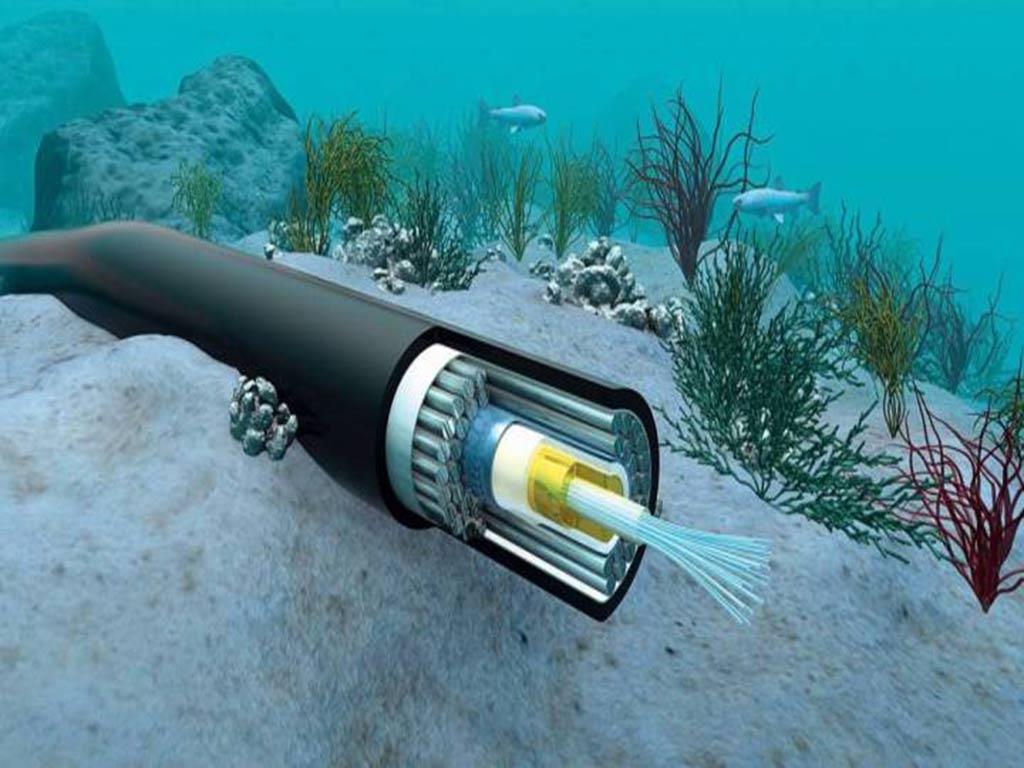
Subsea communication plays a vital role in connecting countries, supporting offshore industries, and enabling the transfer of information across oceans. From international internet connections to underwater monitoring systems, reliable communication depends on equipment designed to operate in challenging marine environments.
Saltwater, high pressure, temperature changes, and continuous movement can affect the performance of electrical and communication systems. Therefore, specialized components are essential for maintaining stable connections beneath the ocean's surface.
Underwater cable assemblies provide dependable connections between subsea instruments, sensors, communication equipment, and offshore infrastructure. Their construction helps protect electrical signals and power connections from environmental damage while maintaining consistent performance. Understanding their role can help marine engineers, offshore operators, and equipment manufacturers select suitable solutions for demanding subsea applications.
The Role of Subsea Communication Systems
Subsea communication systems allow equipment located underwater to exchange information with other devices or surface-based control stations. These systems are used in offshore oil and gas operations, scientific research, underwater robotics, marine exploration, and oceanographic monitoring.
For example, remotely operated vehicles rely on communication connections to receive commands and transmit video, sensor readings, and operational data. Similarly, underwater monitoring equipment collects information about water pressure, temperature, movement, and environmental conditions.
Reliable communication is essential because even a brief interruption can delay operations, reduce monitoring accuracy, or increase maintenance costs. Specialized cable connections help ensure that signals and electrical power reach their intended destinations without unnecessary disruption.
Why Reliable Cable Connections Matter
Communication equipment can only perform effectively when its connections remain stable. In subsea environments, ordinary cables and connectors may deteriorate quickly because of water exposure, corrosion, pressure, and mechanical stress.
Underwater cable assemblies are engineered for specific marine operating conditions, combining appropriate cables, connectors, protective materials, and sealing methods. These features help maintain electrical continuity and prevent moisture from entering sensitive connection points.
Reliable connections also reduce the likelihood of unexpected equipment failures. For offshore operators, this can mean fewer maintenance interventions, improved operational efficiency, and greater confidence in critical monitoring and communication systems.
Choosing an appropriate assembly requires consideration of operating depth, electrical requirements, signal type, and expected service life. Each application has different demands, making proper component selection an important part of system design.
Protection Against Harsh Marine Conditions
The marine environment presents several challenges that can affect cable performance. Saltwater encourages corrosion, underwater pressure increases with depth, and currents can cause cables to move or experience mechanical stress. Temperature fluctuations may also affect insulation and sealing materials.
A suitable cable assembly must be designed to withstand the environmental conditions expected during operation. Depending on the application, this may involve corrosion-resistant connector materials, pressure-rated housings, durable insulation, and effective sealing systems.
Mechanical protection is equally important. Cables installed around offshore platforms, subsea structures, or underwater vehicles may encounter abrasion, bending, vibration, or accidental impacts. Appropriate jackets, strain relief, and protective structures can help reduce damage.
Engineers should evaluate these conditions before choosing a product. A solution suitable for a shallow-water sensor may not be appropriate for deep-sea equipment exposed to substantially greater pressure. Matching specifications to the actual environment helps improve reliability and long-term performance.
Supporting High-Quality Signal Transmission
Subsea communication frequently requires the accurate transfer of data between sensors, control units, and external monitoring systems. Signal quality can be influenced by cable length, electrical interference, conductor design, connector quality, and the communication protocol being used.
Well-designed cable connections help maintain the electrical characteristics required by the system. For applications involving high-speed data, engineers may need to consider impedance control, shielding, grounding, and compatibility with Ethernet or other communication standards.
Shielding can help reduce electromagnetic interference in electrically noisy environments, particularly where communication cables operate near motors, power equipment, and other electrical systems. Proper termination and connector selection are also important for preserving signal integrity.
Before installation, technical teams should confirm that the cable assembly supports the required data rate, operating voltage, current, and connection interface. These checks help prevent compatibility problems and reduce the risk of communication errors after deployment.
Applications Across Marine Industries
Subsea communication technology supports a wide range of industries, each with specific operational requirements.
Offshore oil and gas: Underwater connections link sensors, subsea control systems, monitoring instruments, and other equipment used to manage offshore operations. Dependable communication helps operators monitor performance and identify potential issues.
Marine research: Researchers use underwater instruments to collect information about ocean conditions, marine ecosystems, and geological activity. Reliable connections allow data to reach recording equipment or surface stations.
Underwater robotics: Remotely operated vehicles and certain tethered robotic systems require dependable connections for commands, video transmission, and sensor feedback. Cable performance can directly affect their ability to complete inspection and maintenance tasks.
Offshore renewable energy: Offshore wind farms and other marine energy installations use monitoring and control equipment to assess operational conditions. Suitable electrical and data connections support communication between underwater components and control infrastructure.
Subsea infrastructure: Communication systems may support inspection, diagnostics, and monitoring of underwater pipelines, structures, and specialized equipment. Durable connections help maintain access to important operational information.
Selecting the Right Cable Assembly
Choosing the correct cable assembly involves more than comparing product prices or physical dimensions. Engineers must understand the operating environment, system requirements, and expected maintenance conditions.
First, determine the maximum operating depth and corresponding pressure requirements. The selected product should have appropriate pressure ratings and sealing arrangements for the intended application.
Next, identify the electrical and communication specifications. These include conductor configuration, voltage, current, data rate, connector type, shielding requirements, and compatibility with connected equipment.
Material selection also deserves attention. Corrosion resistance, insulation durability, flexibility, and resistance to abrasion can influence service life. For installations involving frequent movement, bending performance and strain relief may be particularly important.
Finally, review manufacturing quality, testing procedures, and documentation. Pressure testing, continuity testing, insulation resistance checks, and other application-specific evaluations can help verify that a product meets its intended requirements. Consulting an experienced supplier can also help engineers identify suitable configurations and avoid costly specification errors.
Installation and Maintenance Best Practices
Even a well-designed product requires proper installation and maintenance to achieve dependable performance. Incorrect handling, damaged seals, unsuitable bending radii, and poorly secured connections can reduce reliability.
Installation teams should follow manufacturer instructions and use compatible mating connectors. Connection surfaces must be clean, sealing components should be inspected, and cable routing should prevent excessive tension or abrasion. Where applicable, technicians should also ensure that connectors are correctly locked and secured.
Periodic inspections can help identify early signs of wear, corrosion, insulation damage, or loose connections. Testing electrical continuity and insulation performance may reveal issues before they cause system failure.
Maintenance schedules should reflect operating depth, environmental exposure, equipment criticality, and manufacturer recommendations. Recording inspection results and replacing damaged components promptly can improve safety and reduce unplanned downtime.
How Hysfsubsea Supports Subsea Connectivity
Hysfsubsea provides specialized cable assembly solutions for demanding subsea and marine applications. Its product range includes different connector configurations designed to address varying requirements for electrical connections, signal transmission, and equipment integration.
Selecting a suitable configuration involves evaluating factors such as pin count, cable construction, connector dimensions, and operating conditions. By focusing on application-specific requirements, Hysfsubsea can be considered by engineers and equipment manufacturers seeking connection solutions for underwater systems.
Reviewing technical specifications and confirming compatibility with the intended installation are essential steps when selecting products for reliable subsea communication.
Conclusion
Reliable subsea communication depends on carefully engineered connections that can withstand pressure, moisture, corrosion, and mechanical stress. From offshore energy installations to marine research and underwater robotics, dependable cable connections help equipment exchange information and operate efficiently in challenging environments.
Selecting the right components, verifying technical specifications, following proper installation procedures, and maintaining equipment regularly can significantly improve system reliability. By giving these factors appropriate attention, marine engineers and offshore operators can support consistent data transmission, reduce maintenance challenges, and build more dependable subsea communication infrastructure.
Categorias
Leia mais
Recent leaks from Honkai: Star Rail have shed light on potential new characters set to join the roster, namely Phainon, Saber, and Archer. As the game’s Amphoreus arc unfolds, players are gradually uncovering the mysteries surrounding the Chrysos heirs, the Titans, and the impending prophecy of world destruction. In addition to its deep lore, Honkai: Star Rail is gearing up for a major...

🌐 CLICK HERE 🟢==►► WATCH NOW 🔴 CLICK HERE 🌐==►► Download Now https://iyxwfree24.my.id/watch-streaming/?video=and-xxx-xxxx-sex-xxxxx-xxxxxx-videos-youporn YouPorn is your home for free XXX porn videos. Sit back and watch all of the unlimited, high quality HD porn your heart desires. Enjoy the hottest porno movies from just about any category you can imagine. Discover the sexiest naked...

" According to the latest report published by Data Bridge Market Research, the Enterprise Software Market Data Bridge Market Research analyses that the enterprise software market is expected to reach USD 450.68 billion by 2030, which is USD 232.93 billion in 2022, at a CAGR of 8.60% during the forecast period. In addition to the market insights such as market value, growth rate,...
Insurance eligibility verification is one of the most critical steps in the revenue cycle, directly impacting reimbursement timelines and financial performance. In Healthcare RCM Services, this front-end process ensures that patient insurance coverage is active, accurate, and aligned with the services to be provided. However, despite advancements in technology, several challenges continue to...
Introduction In-Depth Study Glamping Market Trustworthy sources such as websites, journals, mergers, newspapers and other authentic sources have been referred to collect all the stats, data, facts and figures required to structure this Glamping Market It is a comprehensive and proficient report that focuses on primary and secondary market drivers, market share, leading segments, and...