


Laser Cleaner: A Modern Solution for Industrial Surface Preparation
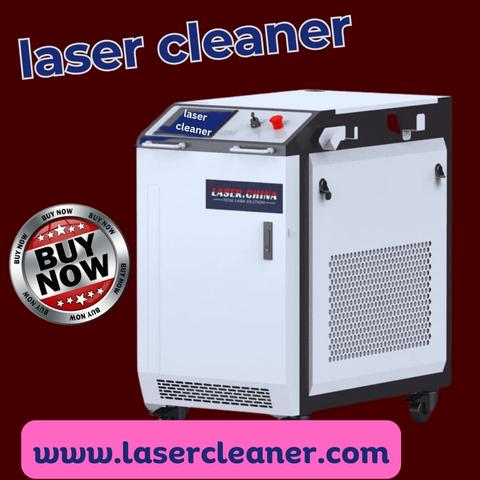
Industrial surface cleaning is an essential process in manufacturing, automotive maintenance, metal fabrication, construction, and many other industries. Removing rust, paint, oil, and other contaminants from metal surfaces helps prepare materials for welding, coating, polishing, and further processing. Traditional cleaning methods often require chemicals, abrasive materials, or extensive manual labor. Laser technology offers a modern approach that helps businesses improve cleaning precision and process efficiency.
A laser cleaner uses a concentrated laser beam to remove unwanted materials from a surface. By selecting suitable laser power and operating parameters, users can clean different materials while minimizing damage to the underlying substrate. This technology is becoming increasingly popular among manufacturers looking for reliable and controlled industrial cleaning solutions.
What Is a Laser Cleaning Machine?
A laser cleaning machine is an industrial device that uses laser energy to remove contaminants from a material's surface. The laser interacts with the unwanted layer, helping loosen or eliminate rust, paint, oxidation, grease, and other deposits.
The cleaning process depends on several factors, including laser power, scanning speed, pulse characteristics, material type, and contaminant thickness. Properly configured equipment can remove surface impurities without relying on conventional chemical cleaning agents or abrasive blasting media.
Laser cleaning systems are available in different configurations, including handheld, portable, pulsed, and continuous-wave models. Each type serves specific applications, making it important to choose equipment according to the intended cleaning task.
How Does Laser Cleaning Technology Work?
Laser cleaning works by directing controlled laser energy onto a contaminated surface. The unwanted layer absorbs the energy and is removed through processes such as rapid heating, vaporization, or other material-removal mechanisms. The precise interaction depends on the laser source and the properties of the surface being treated.
Operators can adjust the machine's settings to match the cleaning requirements. For example, removing a thin layer of rust may require different parameters from stripping thick industrial paint or cleaning stubborn oxidation.
Before beginning a large project, testing the equipment on a small sample is recommended. This helps determine suitable settings and reduces the risk of damaging the base material. Appropriate extraction and ventilation should also be provided to manage fumes and airborne particles produced during cleaning.
Common Applications of Laser Cleaner Equipment
A laser cleaner can support a wide range of industrial and commercial operations. Its versatility makes it useful in several important sectors.
1. Rust Removal from Metal
Rust can affect the appearance, quality, and service life of metal components. Laser cleaning helps remove corrosion from steel structures, machinery parts, automotive components, and metal tools. Proper surface preparation is particularly important before applying protective coatings or carrying out repairs.
2. Paint and Coating Removal
Removing old paint and coatings is often necessary during equipment restoration and manufacturing. Laser cleaning can target unwanted layers on selected surfaces, helping prepare components for repainting, refinishing, or additional processing. Operators should carefully configure the system to avoid affecting the underlying material.
3. Oil and Grease Cleaning
Machinery components can accumulate oil, grease, and other residues during production and regular use. Laser-based cleaning may help prepare selected parts for inspection, assembly, or maintenance. The suitability of the process depends on the contaminant and the material being cleaned.
4. Mold and Tool Maintenance
Manufacturing molds and precision tools require regular cleaning to maintain consistent production quality. Laser systems can be used to remove certain deposits from complex surfaces and detailed components. Correct parameter selection is essential when working with delicate tools or precision-engineered parts.
5. Automotive and Aerospace Manufacturing
Automotive and aerospace manufacturers require controlled surface preparation for various components. Laser cleaning can support applications such as removing oxidation, preparing selected areas for joining, and cleaning specific manufacturing parts. Every application should be validated according to material specifications and industry requirements.
Choosing the Right Laser Cleaning Machine
Selecting suitable equipment begins with understanding the materials and contaminants involved. Businesses should evaluate the type of surface, the thickness of the unwanted layer, the required cleaning speed, and the expected daily workload.
Laser power is an important consideration, but higher power does not automatically mean better results. Thin coatings and delicate surfaces may require carefully controlled pulsed laser systems, while certain heavy-duty applications may benefit from other configurations.
Portability is another factor. Handheld machines can be useful for maintenance teams working on large structures, machinery, or components that cannot easily be moved. Stationary systems may be more appropriate for repeatable cleaning tasks in dedicated production areas.
Buyers should also consider the availability of technical support, operator training, replacement parts, warranty coverage, and maintenance services. Comparing these factors helps businesses select equipment that fits their production requirements and long-term operating plans.
Operating and Maintaining Laser Cleaning Equipment
Correct operation is essential for consistent cleaning results. Operators should receive suitable training and follow the manufacturer's instructions for installation, setup, operation, and maintenance.
Before using the machine, inspect the laser head, cables, protective components, and cooling system where applicable. Keep the work area organized and ensure that the material being cleaned is compatible with the selected laser settings.
Routine maintenance may include cleaning approved optical components, checking electrical connections, inspecting cooling arrangements, and reviewing system performance. Maintenance procedures should always follow the manufacturer's recommendations to prevent equipment damage.
Laser safety requires particular attention. Direct and reflected laser beams can cause serious eye and skin injuries. Use an appropriately enclosed or controlled work area, wavelength-rated protective eyewear, suitable beam barriers, and interlocks where required. Fume extraction is also important when removing paint, coatings, or unknown contaminants. Follow applicable laser safety standards and workplace regulations.
Why Businesses Are Investing in Laser Cleaning
Manufacturers are increasingly evaluating laser cleaning as part of their efforts to modernize industrial maintenance and surface preparation. Depending on the application, the technology can reduce reliance on abrasive media and chemical cleaning products while providing precise control over the treated area.
Its suitability for different tasks allows businesses to explore applications ranging from rust removal to specialized component preparation. However, actual productivity and operating costs depend on the material, contamination level, equipment configuration, labor requirements, and maintenance schedule.
For companies considering an upgrade, conducting application trials and comparing operating costs with existing cleaning methods can provide a clearer understanding of the potential return on investment.
Final Thoughts
A laser cleaner offers manufacturers and maintenance professionals a modern option for removing rust, paint, oxidation, and other surface contaminants. With the right equipment, operating parameters, and safety procedures, businesses can integrate laser cleaning into a variety of industrial workflows
Kategoriler
Devamını oku
🌐 CLICK HERE 🟢==►► WATCH NOW 🔴 CLICK HERE 🌐==►► Download Now https://iyxwfree24.my.id/watch-streaming/?video=other-19-34-min-ki-video-movies The combination of an old violence video, an unverified MMS, and trending keywords like "Instagram video videos 19 minutes" created a perfect storm of misidentification and misinformation. In recent reports, a 19-minute private Instagram video has gone...

Metal Nanoparticles Market By Metal (Platinum, Gold, Silver, Iron, Titanium, Copper, Nickel, Others), End-Use Industry (Pharmaceutical and Healthcare, Electrical and Electronics, Catalyst, Personal Care and Cosmetics, Others), Synthesis Process (Chemical Methods, Physical Method, Bio-Based Methods), Country (U.S., Canada, Mexico, Germany, France, U.K., Italy, Spain, Russia, Turkey,...

Hormone Punk: Angriffsteigerung Der Zenless Zone Null Hormone Punk ist ein spezielles Drive-Disc-Set, das die Angriffskraft eines Agenten deutlich verbessert. Mit seinem 2-Teile-Bonus erhöht es die Angriffskraft um 10 %, während der 4-Teile-Bonus den Schaden beim Kampfbeginn für 25 Sekunden um 10 % steigert. Dieses Set ist besonders nützlich für Agenten, die häufig...
Support gems are one of the most flexible parts of character development in Path of Exile 2. They can change how an ability behaves, improve its damage output, increase clear speed, or solve practical problems such as resource consumption and weak area coverage. Because support gems interact closely with skills and equipment, players should consider their entire setup when upgrading POE2 Items...

Electricity bills often feel unpredictable. One month, they seem normal, and the next, they suddenly spike without a clear reason. Most people don’t realize that the bill is not only about the electricity used. Hidden charges like delivery fees, demand pricing, and infrastructure costs are quietly added. Over time, these small amounts increase total expenses. Read the Article :...