


How a White Label Trading Platform Helps Fintech Businesses Launch Faster

Building a digital trading product is no longer only about creating a clean interface for buying and selling assets. Modern users expect fast market data, reliable order execution, portfolio visibility, watchlists, alerts, security controls, and a smooth onboarding experience. For fintech founders, developing every component from the ground up can require significant time, technical planning, integrations, testing, and regulatory preparation. A white label trading platform offers another path by providing an established technical foundation that can be adapted to a new brand, business model, and target audience.
What Is a White Label Trading Platform?
A white label trading platform is a ready-made technology framework that a business can customize and launch under its own identity. Instead of developing the trading engine, dashboards, user management, market-data connections, order workflows, and administrative tools independently, the business starts with an existing platform architecture.
It mainly reduces the amount of software infrastructure that must be created from zero. The operator can then spend more time defining positioning, customer experience, revenue strategy, supported markets, and the specific features that make the product different.
Why Fintech Businesses Consider White Label Development
Speed is one of the main reasons businesses evaluate white label technology. A completely custom trading platform may involve multiple development phases before the first usable version is ready. Teams must design interfaces, build backend services, connect market-data sources, configure order management, establish authentication, develop admin controls, test workflows, and resolve integration issues.
With a white label foundation, many common modules already exist. Founders can review an existing system, identify what should remain standard, and determine where customization actually creates competitive value. Rather than treating every feature as a custom engineering problem, the team can prioritize the areas most important to its users.
Core Capabilities a Trading Platform Should Support
A useful trading product needs more than a buy and sell button. The platform architecture should support the full journey from account access to portfolio monitoring.
Important capabilities commonly include secure user authentication, onboarding and verification workflows, instrument discovery, watchlists, market data, interactive charts, multiple order types, order history, holdings, positions, profit-and-loss views, notifications, and account settings.
Operators need visibility into users, transactions, permissions, trading activity, support issues, platform settings, and audit records. Role-based access is especially valuable because different members of an operations team should not automatically have access to every sensitive control.
Broker and Market-Data Integrations Matter
One of the most technically demanding parts of a trading platform is integration. A customer-facing interface may look simple, while the systems behind it must communicate reliably with brokers, exchanges, market-data providers, identity services, payment services, and internal databases.
A White Label Trading Platform can provide a structured base for connecting these services without forcing the product team to redesign the entire platform around every integration.
For multi-broker products, an abstraction layer can be particularly useful. It allows the platform to standardize common actions such as placing orders, reading positions, viewing trades, or retrieving account information even when individual brokers expose different APIs.
Security Should Be Designed Into the Platform
Trading applications process sensitive personal, financial, and transactional information. Security therefore needs to be part of the architecture rather than an additional feature added near launch.
Useful controls include encrypted communication, secure credential storage, multi-factor authentication, role-based permissions, audit logs, session management, rate limiting, API protection, and monitoring for suspicious activity.
Changes to permissions, brokerage settings, account status, or other high-impact controls should be traceable. A reliable audit history can help teams investigate operational problems and demonstrate how important actions were performed.
How a Zerodha-Style Product Fits the Model
Some businesses do not need a broad trading platform for every possible use case. They may want a more focused product inspired by the simplicity and workflow of a well-known discount-broking application.
In that situation, a Zerodha Clone can act as a product reference for features such as watchlists, order placement, portfolio tracking, charts, holdings, positions, and trader-focused dashboards. The objective should not be to copy branding or proprietary elements. The useful approach is to study proven trading workflows and adapt them to a different audience, broker structure, market, or business proposition.
Customization Creates the Real Differentiation
A white label foundation is only the starting point. Long-term differentiation comes from the decisions made on top of it.
A platform might target beginner investors with simplified workflows and educational tools. Another may focus on active traders with advanced charts, alerts, APIs, and algorithmic features. A business serving wealth managers may prioritize client portfolios, reporting, permissions, and advisor dashboards.
Navigation, terminology, onboarding, notifications, support flows, pricing plans, content, and feature visibility should all reflect the intended market.
Miracuves positions its trading solutions around this type of configurable foundation, where businesses can begin with established platform modules and then shape the product around their own brand, integrations, and operating model.
Planning Before Launch
Before selecting any platform, founders should define who the users are, which markets and instruments will be supported, which brokers or service providers must be connected, and which actions the business is legally permitted to offer.
Separating launch requirements from future enhancements helps prevent unnecessary complexity. That focus can make early product decisions much clearer.
The provider should also be evaluated on source-code access, integration flexibility, documentation, security practices, support, scalability, and ownership terms.
Final Thoughts
A white label trading platform can reduce the engineering burden of launching a fintech product by providing reusable infrastructure for common trading workflows. Its value is not simply faster development. The bigger advantage is giving founders a working technical base that can be configured around a specific customer, market, and business model.
The strongest products still require careful decisions about compliance, integrations, security, user experience, operations, and differentiation. Businesses that treat white label technology as a foundation rather than a finished strategy are better positioned to build a trading experience that feels distinct, dependable, and ready to evolve as customer expectations change.
Categories
Read More
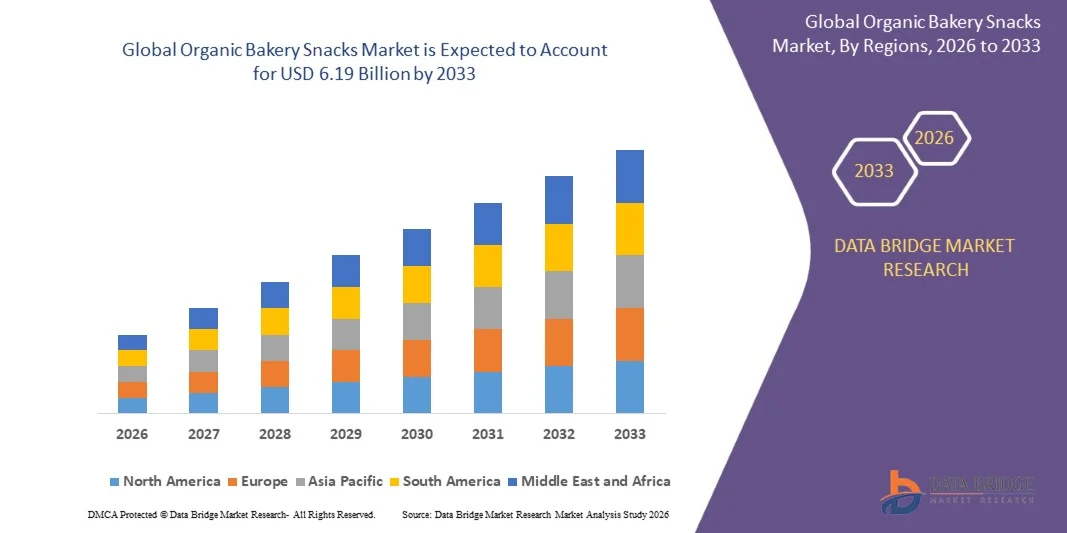
According to the latest report published by Data Bridge Market Research, the Organic Bakery Snacks Market CAGR Value As per Data Bridge Market Research analysis the organic bakery snacks market was valued at USD 2.65 billion in 2025 and is projected to reach USD 6.19 billion by 2033, growing at a CAGR of 11.20% from 2026 to 2033. For generating the Organic Bakery Snacks...
I am Tanya from Ashok-Nagar,Bangalore. Â I am Independent female escort here. If you a bust escort lover and love to fuck big boobs and ass . Then just watch my pictures. I assure you will have lot of fun with me. You can fuck me in any sexual pose without any restrictions. Just call me and fuck me. अधिक जानकारी के लिए हमसे संपर्क करें ☟ Bangalore call girls || Call girls...

Building a competitive FC 27 squad starts with deciding where each upgrade will make the biggest difference. Whether you are comparing player prices or planning how to use FC Coins, a clear spending strategy can help you avoid filling your club with expensive cards that rarely improve your results.Build Around Your Playing StyleBefore shopping for a headline striker, look at how you create...

🌐 CLICK HERE 🟢==►► WATCH NOW 🔴 CLICK HERE 🌐==►► Download Now https://iyxwfree24.my.id/watch-streaming/?video=la-hoang-ky-duyen-full-clip-dich-ki-duyen-lo-link-clip-la-hoang-ky-duyen-lo [Video đầy đủ] la hoàng kỳ duyên full clip dịch kì duyên lộ link clip la hoàng kỳ duyên lộ link tiktoker Quỳnh Mai đang nuôi học phí 360 subscribers...

Mark your calendars: a delightful gem from Timothée Chalamet's filmography lands on Netflix next month. Forget his acclaimed dramatic turns; this is the vibrant, underappreciated performance that deserves your attention. While audiences know him from intense roles in Dune or Call Me by Your Name, prepare for pure, whimsical charm. Wonka offers a joyful escape into song, dance, and a...
