


How Treatment Solutions Can Extend Equipment Lifespan
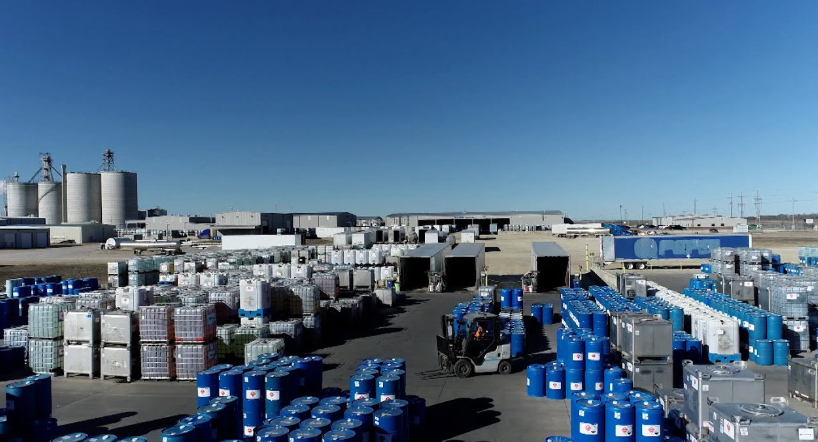
Industrial equipment plays a vital role in oil and gas operations, manufacturing facilities, processing plants, and other demanding environments. Because these machines often operate under high pressure, extreme temperatures, and continuous workloads, wear and corrosion can become serious concerns. Working with an experienced Oilfield Chemical Manufacturer can provide treatment solutions designed to protect equipment, improve operating efficiency, and extend service life.
Understanding Equipment Wear and Damage
Equipment deterioration can happen gradually or develop quickly when machinery is exposed to harsh operating conditions. Corrosion, scale buildup, deposits, friction, contamination, and chemical reactions can all affect components over time. Even small amounts of buildup or surface damage can reduce efficiency and place additional stress on pumps, pipelines, valves, tanks, heat exchangers, and other equipment.
Without proper treatment, these issues may lead to frequent breakdowns and expensive repairs. In severe cases, damaged components may need to be replaced earlier than expected. A suitable treatment program helps control these problems before they become major operational concerns.
The Role of Chemical Treatment Solutions
Chemical treatment solutions are designed to address specific problems that affect industrial equipment. Different applications require different formulations, depending on operating conditions, equipment materials, fluids being processed, and environmental factors.
For example, corrosion inhibitors can help create a protective barrier on metal surfaces. This reduces the impact of corrosive substances and helps prevent premature deterioration. Scale inhibitors can reduce the formation of mineral deposits that restrict flow and interfere with equipment performance.
Other treatment products may be used to control sludge, deposits, foaming, microbial growth, or unwanted chemical reactions. By targeting the source of equipment problems, treatment programs can help machinery operate more reliably.
Preventing Corrosion and Surface Damage
Corrosion is one of the most common threats to metal equipment. In oilfield and industrial environments, equipment may come into contact with water, salts, gases, acids, and other substances that accelerate corrosion.
Corrosion can weaken metal surfaces and eventually cause leaks, cracks, or structural failures. Chemical inhibitors can help reduce corrosive activity by protecting exposed surfaces. When used correctly, these treatments can slow deterioration and help equipment remain functional for a longer period.
Regular monitoring is also important. Treatment levels may need to be adjusted as operating conditions change. Consistent evaluation allows operators to identify potential corrosion problems before they cause significant damage.
Controlling Scale and Mineral Deposits
Scale deposits can develop when dissolved minerals accumulate on equipment surfaces. This is particularly problematic in systems that handle large amounts of water. Over time, scale can narrow pipes, reduce flow rates, lower heat transfer efficiency, and increase pressure within a system.
Scale treatment products can help prevent mineral deposits from forming or make existing deposits easier to manage. Keeping equipment surfaces cleaner allows systems to operate more efficiently and reduces the strain placed on pumps and other components.
By controlling scale buildup, operators can also reduce the need for aggressive mechanical cleaning and unnecessary equipment downtime.
Reducing Maintenance Requirements
Preventive treatment can make maintenance more predictable. When corrosion, deposits, and contamination are controlled, equipment generally requires fewer emergency repairs.
This does not eliminate the need for inspections or routine servicing. Instead, it supports a more proactive maintenance strategy. Operators can schedule cleaning, inspections, and component replacements based on actual equipment conditions rather than waiting for unexpected failures.
Reduced emergency maintenance can also lower labor expenses and help facilities maintain more consistent production schedules.
Improving Equipment Efficiency
Equipment that operates with excessive deposits, corrosion, or contamination often requires more energy to perform the same task. Pumps may need to work harder to maintain flow, while heat exchangers can lose efficiency when surfaces become coated with deposits.
Treatment solutions help maintain cleaner and better-protected operating surfaces. This can support efficient fluid movement, heat transfer, and overall equipment performance. Better efficiency can contribute to lower operating costs while also reducing unnecessary stress on machinery.
Choosing the Right Treatment Program
There is no single treatment solution suitable for every industrial application. The right approach depends on several factors, including water chemistry, temperature, pressure, fluid composition, equipment design, and operating conditions.
A professional chemical provider can evaluate these factors and recommend products suited to the application. Proper dosing is equally important. Too little treatment may fail to provide adequate protection, while excessive treatment can create unnecessary costs or cause other operational concerns.
Testing and monitoring should therefore be part of any effective treatment program. Regular analysis can help determine whether the treatment is working as intended and whether adjustments are needed.
Supporting Long-Term Equipment Reliability
Extending equipment lifespan is about more than preventing immediate breakdowns. It involves maintaining equipment condition over the course of months and years. Chemical treatment can become an important part of a broader asset management strategy that includes inspections, preventive maintenance, proper operation, and timely repairs.
When these practices work together, businesses can reduce premature equipment replacement and make better use of existing assets. Protecting machinery also helps maintain production capacity and supports safer working conditions.
Conclusion
Proper treatment solutions can play an important role in protecting industrial equipment from corrosion, scale, deposits, and other damaging conditions. By addressing these problems early, businesses can improve equipment performance, reduce maintenance demands, and minimize unexpected downtime. A carefully designed treatment program, supported by regular monitoring and professional guidance, can ultimately help equipment remain reliable and productive for a much longer period.
Categorii
Citește mai mult
When people search for taxi near me, they usually need a safe, reliable, and affordable ride immediately. Whether you are arriving at the airport, staying in Makkah, Madinah, Jeddah, or planning a spiritual journey to Taif, choosing a trusted transportation company makes your trip comfortable and stress-free. Move Me proudly provides premium taxi services across Saudi Arabia, helping pilgrims,...

🌐 CLICK HERE 🟢==►► WATCH NOW🔴 CLICK HERE 🌐==►► Download Nowhttps://iyxwfree24.my.id/watch-streaming/?video=video-18-goc-be-ao-den-mo-bai-hoang-da-goc-fullAnh Áo Đen tạo dựng các tình huống có thể xảy ra trong cuộc sống hàng ngày, cách đối nhân xử thế giữa con người với nhau, từ đó rút ra các bài học Stream Clip@@...

The Social Networking Market Growth is indicative of the sector's potential for continued expansion and innovation. As more organizations and individuals seek effective social networking solutions, the market is experiencing significant growth. For detailed insights into market growth, refer to Social Networking Market Growth. This article explores the key drivers of growth within the social...

Ultimate Guide to AC Duct Cleaning in UAE: Costs, Process & Benefits (By iPurity) Introduction In the UAE’s hot and humid climate, air conditioning is not a luxury — it is a necessity. Whether at home, in an office, or inside a commercial building, AC systems run for long hours every day. Over time, this continuous operation causes dust, bacteria, mold, and allergens to build...

Trident Expedia Ahmedabad is a thoughtfully planned residential development designed to offer modern lifestyle living in one of the most promising locations of Ahmedabad. This project brings together comfort, convenience, and connectivity in a balanced way, making it suitable for families who want a peaceful yet well-connected home. The idea behind this development is to provide a living space...
