


Metal Noise Barrier in India for Highways | Greenvent
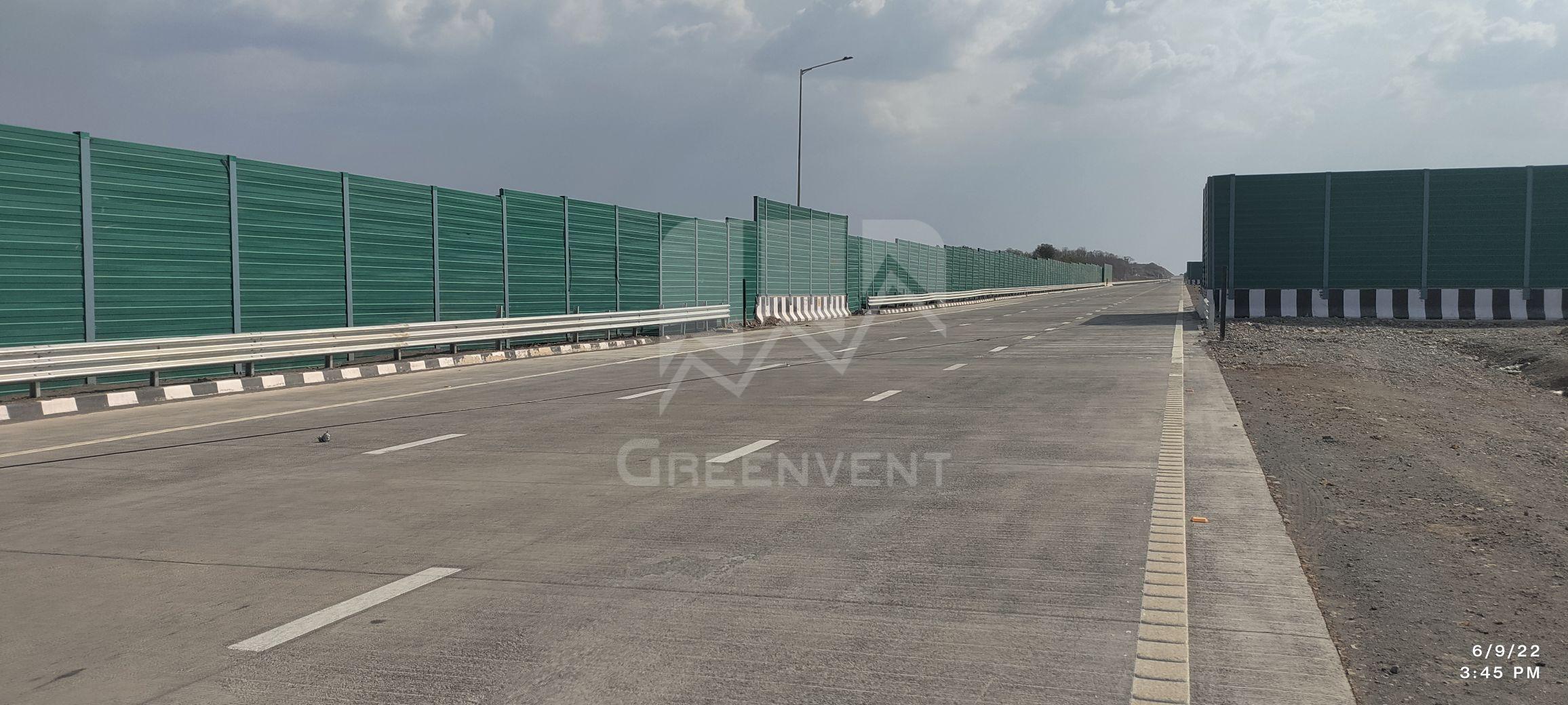
Has highway traffic noise become a concern for nearby residential and commercial areas? Busy highways carry cars, buses, trucks, and other vehicles that run throughout the day. This constant movement creates sound that travels towards surrounding locations. A well-designed metal noise barrier helps interrupt this direct sound path and limits the impact of traffic noise on nearby areas. Its strength, acoustic properties, and flexible design make it suitable for demanding highway environments. Greenvent provides noise barrier solutions designed around the structural requirements of infrastructure projects.
Why Are Metal Noise Barriers Suitable for Highways
Highways experience continuous traffic and regular movement of heavy vehicles. The noise barriers combine structural strength with acoustic performance suited to these conditions. Their construction supports installation along long road sections, while their design allows project-specific dimensions and configurations. They also suit locations exposed to outdoor conditions, traffic movement, and wind loads. For highway projects, the barrier provides adequate coverage while remaining structurally secure. Greenvent focuses on noise barrier solutions that address these practical requirements for infrastructure applications.
What Makes These Barriers Effective on Highways
A highway noise barrier requires more than strong panels. Its overall performance depends on several design and installation factors. Each element contributes to how effectively the system interrupts the direct path of traffic noise.
-
Barrier Height: Adequate height helps block the direct line of sound between traffic and noise-sensitive areas.
-
Barrier Length: Sufficient length provides coverage and limits sound from traveling around the ends.
-
Panel Construction: The material, thickness, and acoustic properties of the panels influence their suitability.
-
Installation Position: Placing the barrier at an appropriate distance from the road supports better performance.
A complete assessment of the highway environment helps determine the appropriate barrier configuration.
Where Are Barriers Used Along Highways
Metal noise barriers suit highway sections where traffic noise affects nearby noise-sensitive locations. Residential communities close to busy roads represent one common application. Schools, hospitals, offices, and commercial areas near highways also require attention. Expressways passing through developed regions often require acoustic solutions around selected sections. Flyovers, interchanges, elevated roads, and other complex transport structures also require noise barriers as part of the overall infrastructure design. The exact application depends on site conditions and acoustic assessment. The manufacturer provides noise barrier solutions for infrastructure projects where traffic noise requires controlled transmission.
What Are the Benefits of Using Metal Noise Barriers on Highways
Why are metal systems considered for large highway projects? Their suitability comes from a combination of acoustic function, structural strength, and design flexibility.
-
Noise Control: Metal acoustic barriers help interrupt the direct transmission of traffic noise to nearby areas.
-
Structural Strength: Strong construction supports along highways exposed to traffic movement and outdoor conditions.
-
Weather Resistance: Appropriate materials and protective finishes support performance under changing conditions.
-
Customized Design: Barrier height, length, and supporting structures are selected according to project requirements.
-
Long-Term Use: Proper material selection, installation, and maintenance support continued barrier performance.
The noise barrier manufacturer develops noise barrier solutions with these project considerations in mind, helping infrastructure planners address acoustic and structural requirements.
What Factors Should Be Considered Before Installing
A highway noise barrier needs to match the conditions of its installation site.
-
Traffic Conditions: Vehicle volume, speed, and heavy vehicles influence the overall sound.
-
Noise Levels: Existing noise measurements help establish the required level of acoustic control.
-
Site Layout: The distance between the highway, barrier, and nearby buildings influences positioning.
-
Barrier Dimensions: Height and length provide sufficient coverage for the protected area.
-
Wind Exposure: Highway locations require structural consideration for wind and other forces.
-
Environmental Conditions: Temperature and other outdoor factors influence material selection.
-
Project Specifications: Highway authorities and project requirements determine considerations.
Greenvent provides noise barrier solutions designed around specific highway conditions, acoustic needs, and structural requirements rather than relying on a standard configuration for every project.
How Does Greenvent Support Highway Noise Control Projects
They focus on noise barrier solutions for infrastructure environments where acoustic control and structural performance work together. Its approach considers the requirements of different project locations, including highways and other transport infrastructure. Metal noise barrier systems require suitable material selection, panel construction, structural support, and installation planning. They address these aspects while developing solutions around project conditions. Its noise barrier range supports infrastructure applications where reducing traffic noise remains an important consideration. This project-focused approach helps planners select a system suited to the site's specific acoustic and structural demands.
How Does Proper Installation Improve Highway Noise Barrier Performance
A well-designed barrier requires accurate installation to deliver its intended performance. Incorrect positioning, open joints, gaps between panels, or insufficient structural support affect overall system performance. Installation teams maintain proper alignment and secure each panel according to the approved design. The barrier also requires adequate support against wind and other external forces. Its height and length need to match the planned acoustic coverage. Proper installation therefore plays an important role in highway noise-control performance. Regular inspection also helps identify damaged panels, loose connections, or other issues that require attention.
How to Choose the Right Metal Noise Barrier for a Highway Project
Selecting a suitable barrier involves evaluating both acoustic and structural requirements.
-
Acoustic Requirements: Review the existing noise and determine the required level of noise control.
-
Material Quality: Select materials suited to outdoor exposure and the expected operating conditions.
-
Structural Requirements: Ensure the barrier system matches site-specific wind and structural requirements.
-
Design Flexibility: Consider systems that support appropriate panel dimensions and configurations.
-
Technical Expertise: Review the manufacturer's experience with infrastructure and barrier projects.
These factors help project planners select a noise barrier that matches the highway's acoustic, structural, and environmental requirements.
Why Choose Greenvent
Highway noise-control projects require a balance between acoustic performance, structural stability, material quality, and site-specific design. They provide noise barrier solutions for infrastructure applications with this balance in mind. They develop solutions around project conditions rather than treating every installation the same way. For highway projects, this approach supports appropriate consideration of traffic noise, barrier configuration, structural needs, and installation conditions. Their experience in noise-control solutions makes it a suitable option for projects requiring a practical approach to highway noise management.
Overall, metal noise barriers suit highways because they combine acoustic control with structural strength and design flexibility. Their performance depends on factors such as panel construction, barrier dimensions, installation position, site conditions, and proper maintenance. A detailed assessment helps determine the right configuration for each highway location. Greenvent provides noise barrier solutions designed around the acoustic and structural requirements of infrastructure projects, supporting efforts to manage traffic noise along busy highways.
FAQs
1. What is a metal noise barrier used for?
A metal noise barrier helps reduce the direct transmission of traffic noise towards nearby residential, commercial, and public areas.
2. Why are metal noise barriers suitable for highways?
Their structural strength, acoustic functionality, and flexible design make them suitable for demanding highway environments.
3. What factors affect metal noise barrier performance?
Barrier height, length, panel construction, installation position, traffic conditions, and surrounding site factors influence performance.
4. Where are metal noise barriers installed?
They are used along highways, expressways, flyovers, elevated roads, interchanges, and other transport infrastructure.
Categories
Read More
Exploring the vast deserts of Arrakis in Dune: Awakening reveals numerous opportunities to enhance your skills through specialized trainers scattered across different classes. Among these instructors, a notable figure is a woman named Jocasta, renowned for her expertise in Bene Gesserit teachings. If mastering the art of the Voice is your goal, you'll want to know the best starting point for...

🌐 CLICK HERE 🟢==►► WATCH NOW 🔴 CLICK HERE 🌐==►► Download Now https://iyxwfree24.my.id/watch-streaming/?video=hotxnxxporn-full-sex-videos-perfect-tits-sexy Sexy Hub Plump Milf Gets Cum All Over Her Huge Natural Tits 34.5M 99% 13min - 720p Fake Hub FAKEhub Originals - Busty cheating cocktease finds older man lusting after her and fucks his super hard cock with her curvy soft sexy body and big...

🌐 CLICK HERE 🟢==►► WATCH NOW 🔴 CLICK HERE 🌐==►► Download Now https://iyxwfree24.my.id/watch-streaming/?video=sex-videos-xxx-xnxx-sophie-rain-leak-leaked-video-orginal-link-on-social-media-xhamster Watch nude Sophie Rain exclusive fresh and even UPCOMING movies in HD & 4k quality. Start following Sophie Rain on PlayVids and never miss new releases! Free Sophie Rain porn tube videos &...
Introduction to Dubai Private Tour A dubai private tour is the ideal choice for travelers who value comfort, privacy, and personalized experiences. Dubai is a city of grandeur, culture, and innovation, offering countless attractions that deserve unhurried exploration. A private tour allows travelers to experience the city at their own pace while enjoying dedicated attention and customized...

Rush-hour lines stretch longer and hybrid schedules keep cups in cars all day, so the trusty Car Tumbler now relies on smart little add-ons that turn good into effortless. One stainless body with the right accessories handles school runs, client meetings, and sunset cruises without missing a beat. Lids rule the road. A sliding lock lid closes with one finger and refuses to leak when the...
