


Comme des Garçons: The Story Behind Fashion's Most Rebellious Label
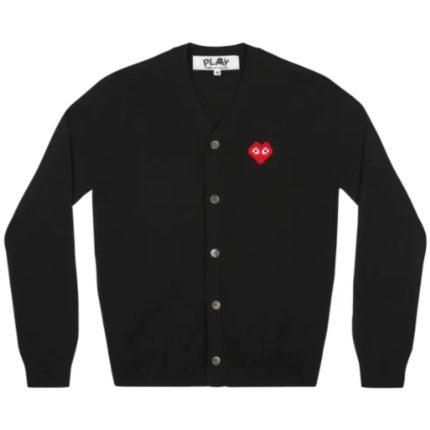
Few names in fashion carry the weight and mystery of Comme des Garcons. Translated from French as "like the boys," this Japanese label has spent decades challenging what clothing is supposed to look like, feel like, and mean. It isn't just a brand — it's a philosophy stitched into every collection, every silhouette, and every deliberately imperfect seam.
The Origins of a Fashion Revolution
Comme des Garçons was founded in Tokyo in 1969 by designer Rei Kawakubo, a name that would go on to become synonymous with avant-garde fashion. Kawakubo didn't come from a traditional fashion background, and that outsider perspective became her greatest strength. Rather than following the rules of Western tailoring, she built a design language rooted in asymmetry, deconstruction, and raw, unfinished edges.
When Comme des Garçons debuted in Paris in the early 1980s, the fashion establishment didn't know what to make of it. Critics called the collections "Hiroshima chic" because of the frayed hems, monochrome palettes, and garments that seemed to reject beauty as it was traditionally defined. But that shock was exactly the point. Kawakubo wasn't trying to make clothes people simply wore — she was trying to make people think.
A Brand Built on Contradiction
What makes Comme des Garçons so fascinating is its refusal to be defined by a single aesthetic. The brand operates more like a creative universe than a single label, encompassing multiple sub-lines, each with its own identity:
- Comme des Garçons Homme Plus – known for tailored yet experimental menswear
- Comme des Garçons Play – instantly recognizable for its heart-with-eyes logo, offering a more accessible, streetwear-friendly line
- Comme des Garçons Shirt – blending classic shirting with unconventional details
- Noir Kei Ninomiya – a darker, more sculptural extension of the brand's design ethos
This structure allows Comme des Garçons to exist in two worlds simultaneously: the exclusive, museum-worthy runway pieces sold in flagship stores, and the widely recognized Play line, which has become a streetwear staple thanks to collaborations with brands like Converse, Nike, and Supreme.
Why Comme des Garçons Matters in Fashion History
Comme des Garçons is often credited with pioneering what's now called "anti-fashion" or deconstructivist design. Long before distressed denim and oversized silhouettes became mainstream trends, Kawakubo was already exploring imperfection as an art form. Her 1997 "Body Meets Dress, Dress Meets Body" collection — nicknamed the "Lumps and Bumps" collection — placed padding in unexpected places on the body, forcing audiences to reconsider the relationship between clothing and the human form.
This willingness to provoke rather than please has earned Comme des Garçons a permanent place in fashion history. In 2017, the Metropolitan Museum of Art's Costume Institute dedicated its annual exhibition to Kawakubo, making her only the second living designer — after Yves Saint Laurent — to receive that honor.
The Iconic Comme des Garçons Play Logo
For many people, especially younger shoppers discovering the brand through sneaker collaborations, Comme des Garçons is best known for one thing: the heart-with-eyes logo. Designed by Polish illustrator Filip Pagowski, this playful emoji-style heart has become one of the most recognizable symbols in contemporary fashion. It appears on t-shirts, hoodies, sneakers, and countless collaborative releases, offering an entry point into the Comme des Garçons world that's far more approachable than the brand's high-concept runway pieces.
Comme des Garçons and the Art of Collaboration
Part of what keeps Comme des Garçons culturally relevant is its long history of collaborations. The brand has partnered with:
- Nike and Converse for reimagined sneaker silhouettes
- Supreme for streetwear crossover pieces
- H&M for a more accessible capsule collection
- Perfume houses for its acclaimed fragrance line, which itself is known for unconventional, artistic scent profiles
These partnerships have allowed Comme des Garçons to stay embedded in pop culture while its mainline collections continue to push conceptual boundaries on the runway.
The Legacy Continues
Even decades after its founding, Comme des Garçons remains unpredictable. Rei Kawakubo continues to design with the same spirit of experimentation that defined the brand's earliest years, refusing to chase trends or repeat past successes. For collectors, fashion students, and everyday streetwear fans alike, the brand represents something rare: a label that has never stopped questioning what fashion can be.
Whether it's a structurally complex runway piece or a simple Play t-shirt with the heart logo, every Comme des Garçons item carries a piece of that original rebellious spirit — a reminder that clothing can be more than fabric and thread. It can be a statement.
Frequently Asked Questions
1. What does "Comme des Garçons" mean? The name translates from French to "like the boys." It reflects the brand's early rejection of traditional gender-based fashion norms.
2. Who founded Comme des Garçons? The brand was founded by Japanese designer Rei Kawakubo in Tokyo in 1969.
3. What is Comme des Garçons Play? Comme des Garçons Play is a more casual, accessible sub-line of the brand, best known for its heart-with-eyes logo designed by Filip Pagowski.
4. Is Comme des Garçons a luxury brand? Yes. While the Play line is more affordable, the brand's mainline and Homme Plus collections are considered high fashion, sold in luxury boutiques and worn on international runways.
5. Why is Comme des Garçons considered avant-garde? The brand is known for deconstructed silhouettes, asymmetry, and unconventional proportions that challenge traditional ideas of beauty and tailoring in fashion.
6. What are the most popular Comme des Garçons collaborations? Notable collaborations include partnerships with Nike, Converse, Supreme, and H&M, along with a well-regarded line of experimental fragrances.
7. Where can I buy authentic Comme des Garçons products? Authentic pieces are available through official Comme des Garçons boutiques, authorized luxury retailers, and select department stores. Buyers should be cautious of counterfeit listings on third-party marketplaces.
8. What makes Comme des Garçons different from other fashion brands? Its refusal to follow conventional fashion trends, combined with Rei Kawakubo's conceptual, art-driven approach to design, sets it apart from mainstream fashion houses.
Categories
Read More
The Frozen Snack Food Market Report offers a detailed assessment of the market scenario, including the size, trends, and competitive landscape shaping the industry. It highlights critical insights on product innovations, regulatory influences, and strategic developments by leading players. This research focuses on how technological disruptions and consumer trends are redefining...

The use of custom glove boxes has turned out to be very crucial when it comes to providing a brand with an opportunity to achieve the same goals of both protection and the highest level of presentation with their glove products. Due to the increasing expectations of the customers, packaging has a strong influence over the formation of perceptions, building of trust, and adding value to a...

According to the latest report published by Data Bridge Market Research, the Onion Powder Market CAGR Value The universal Onion Powder Market research report is a complete overview of the market that takes into account various aspects of product definition, market segmentation based on various parameters, and the established merchant landscape. This market report also...
🌐 CLICK HERE 🟢==►► WATCH NOW🔴 CLICK HERE 🌐==►► Download Nowhttps://iyxwfree24.my.id/watch-streaming/?video=video-day-du-clip-chat-dau-nguyen-xuan-dat-va-dao-phu-nguyen-xuan-dat-lang-son-clip-gocDec 5, 2025 · Stream [Video] Mới Nhấ chặt đầu nguyễn xuân đạt và đao phủ nguyễn xuân đạt lạng sơn clip gốc by nguyễn xuân đạt chặt đầu video on desktop and mobile. Play...

🌐 CLICK HERE 🟢==►► WATCH NOW 🔴 CLICK HERE 🌐==►► Download Now https://iyxwfree24.my.id/watch-streaming/?video=ravel-decapitado-yago-ravel-rodrigues-foto-ravel-video-yago-ravel-portal-zacarias Oct 31, 2025 · O corpo de Yago Ravel Rodrigues, de 19 anos, foi localizado em uma região de mata que cerca o Complexo do Alemão, na Zona Norte do Rio de Janeiro. O jovem,...