


The Role OF Nutrition IN Holistic Mental Health Care
Introduction
Many things contribute to mental health. Emotional well-being is a factor of sleep, stress, relationships, activity, therapy, medical support, and lifestyle. Of these, nutrition is emerging as one of the most significant areas of Holistic Mental Health Care since what we eat is directly related to the functioning of the brain, nervous system, hormones, and energy.
This is not a substitute for therapy, psychiatry, or Medication Management Services. Rather, nutrition serves as a supplemental method to balance and support other care strategies that can help maintain individuals' health and wellness, as part of a comprehensive care plan.
There is also a high prevalence of mental health problems. In 2022, the National Institute of Mental Health (NIMH) estimated there were 59.3 million Americans, or over 1 in every 5, living with a mental health illness. This is an illustration of the need for expanded comprehensive care.
Why Is nutrition Important In Holistic Mental Health Care?
The brain is a very energy-intensive organ. It requires constant fuel from food for good performance—food high in nutrients. A growing field of nutritional psychiatry research indicates the potential of diet quality to affect emotional health, stress response, and mood. A review in BMJ drew attention to both the link between poor nutrition and low mood, and the potential of a healthy diet to aid physical and mental health.
Holistic Mental Health Care regards nutrition as an issue in a broader context. A person might be getting treatment from a therapist, psychiatrist, primary care provider, or wellness professional, as well as making better food choices to help maintain emotional health over time.
Learn How Food Influences Mood And Brain Function
1. Blood Sugar Balance
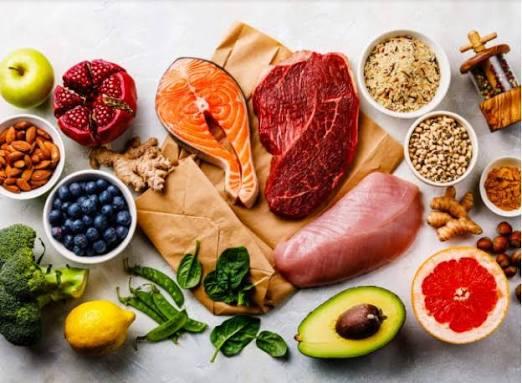
Foods that are processed and sugary foods can result in rapid increases and drops in energy levels. These incidents may leave a person feeling tired, irritated, anxious, or unfocused. Balanced eating, which includes a combination of protein, fibre, and good fats, can aid in maintaining regular energy levels throughout the day.
Helpful options include:
- Eggs, fish, chicken, beans, or lentils
- Whole grains such as oats, brown rice, or quinoa
- Nuts, seeds, and olive oil
- Fresh fruits and vegetables
2. Gut-Brain Connection
Gut and brain communicate very closely via the nervous system, immune system, and hormones. A healthy gut can help maintain a healthy mood and stress. Nourish the gut microbiome with fermented foods, fibre-rich vegetables, and whole foods.
This includes things like the yogurts, kefirs, sauerkraut, leafy greens, berries, beans, and whole grains.
3. Depression and inflammation
There is some evidence that eating excessive amounts of refined sugars and ultra-processed foods could be associated with more severe symptoms of mood. High consumption of refined sugars is linked to poor brain function and poor mood disorders like depression, according to Harvard Health.
An overall nutrition plan may include the following strategies: Eating more anti-inflammatory foods like colorful vegetables, omega-3-rich fish, seeds, nuts, and herbs, and cutting back on heavily processed foods.
Key Nutrients That Support Mental Health
Omega-3 Fatty Acids
Omega-3s are essential to the communication between brain cells and can help to balance out emotions. They can be found in salmon, sardines, walnuts, chia seeds, and flaxseeds.
B Vitamins
B vitamins aid in energy generation and aid in nervous system function. Eggs, leafy greens, legumes, whole grains, and lean proteins are good sources.
Magnesium
Magnesium has a calming effect, improves sleep, and regulates stress responses. It is found in pumpkin seeds, spinach, almonds, dark chocolate, and beans.
Protein
Amino acids are the building blocks of protein and are important for influencing neurotransmitter activity, which is linked to mood, motivation, and focus.
Nutrition And Medication Management Services
Nutrition can also be used to assist those receiving Medication Management Services. Appetite, weight, digestion, and energy levels may be affected by some medications, including some that can potentially play a role in food selection in a more individualized care plan.
For instance, a provider can suggest smaller meals to avoid experiencing an energy drop, food to keep the body hydrated and functioning properly, or foods that are rich in nutrients to help maintain stability with medications. It is not to be used as an alternative to medicine but to assist the body in responding to medicine as best as possible.
These Are Some Tips On Practicing A Holistic Mental Health Diet
Make the change as small as possible and not too extreme. Helpful steps include:
- Have a protein breakfast to fuel the day.
- Serve one more serving of vegetables per day.
- Take in plenty of fluids and avoid too much caffeine.
- Progressively eliminate or decrease ultra-processed snacks.
- Make simple, easy meals in advance to prevent stress eating!
- Don't use supplements without consulting a professional.
These habits can be easier to implement and could be incorporated into a sustainable Holistic Mental Health Care routine.
Conclusion
The role of nutrition is a very strong enabling part of Holistic Mental Health Care. Healthy eating patterns can help maintain a balanced mood, energy level, concentration, and emotional well-being, as well as good sleep. Food is a component of mental health treatment, but alone it cannot cure all mental health conditions; it can help set the stage for recovery with therapy, lifestyle support, and professional care, like Medication Management Services
A whole-person approach acknowledges the interconnection between mental health and the body, brain, environment, and lifestyle. Choices in the food pyramid are one way to actively improve emotional health and balance.
Categories
Read More
🌐 CLICK HERE 🟢==►► WATCH NOW 🔴 CLICK HERE 🌐==►► Download Now https://iyxwfree24.my.id/watch-streaming/?video=orginal-hot-video-xem-18-video-can-canh-clip-linh-tay-tinh-tu-linh-tay-tran Tuyển chọn phim sex Việt Nam mới nhất hiện nay, sex Việt Nam địt nhau cực sướng, full hd sắc nét tại sexviet3.blog Phim Sex Việt Nam hay , tuyển tập những bộ phim sex địt nhau với gái xinh , quay...

Streetwear has always thrived on symbols—simple visuals that carry deep cultural meaning. Among the most recognizable of these is the Stussy 8 Ball Hoodie, a piece that has quietly moved through decades of fashion without losing relevance. While trends shift quickly and new graphics appear every season, this hoodie continues to feel familiar, expressive, and effortlessly cool. Its...

🌐 CLICK HERE 🟢==►► WATCH NOW 🔴 CLICK HERE 🌐==►► Download Now https://iyxwfree24.my.id/watch-streaming/?video=18-sexxxxporn-xxx-bhad-bhabie-leaked-porn-xxx Bhadbhabie stars in a steamy fuck tape that's finally been exposed on video Teasing all her naughty secrets in a hardcore porn debut you won't want to miss, indulge in this amateur sex tape that's been exposed for your viewing pleasure....
Resumen ejecutivo Informe de análisis del tamaño y la participación del mercado de perfumes Valor CAGR El tamaño del mercado mundial de perfumes se valoró en USD 54.01 mil millones en 2024 y se espera que alcance los USD 74.49 mil millones para 2032 , con una CAGR del 4,10% durante el período...

" According to the latest report published by Data Bridge Market Research, the Automated Truck Loading System Market Data Bridge Market Research analyses that the automated truck loading system market was valued at USD 2,839.20 million in 2021 and is expected to reach USD 4,988.77 million by 2029, registering a CAGR of 7.30% during the forecast period of 2022 to 2029. The persuasive...