


How Custom Application Development Drives Digital Transformation for Modern Enterprises

Digital transformation is no longer a competitive advantage—it has become a business necessity. Organizations across industries are investing in digital technologies to improve customer experiences, streamline operations, and respond quickly to changing market demands. At the heart of this transformation lies custom application development, enabling businesses to create solutions tailored to their unique goals rather than adapting processes to fit generic software.
While off-the-shelf applications may address basic operational needs, they often lack the flexibility, scalability, and integration capabilities required by growing organizations. Custom-built applications empower businesses to innovate, automate workflows, and build long-term digital resilience.
For business owners, founders, CTOs, and enterprise leaders, understanding the strategic value of application development can help maximize technology investments and create sustainable business growth.
Why Custom Applications Are Becoming a Business Priority
Every business operates differently. From customer engagement and inventory management to financial reporting and internal collaboration, operational processes vary widely across organizations.
Generic software solutions typically force businesses to modify their workflows to fit predefined functionality. Custom applications eliminate this limitation by aligning technology with business objectives.
Some of the key advantages include:
- Greater operational efficiency
- Improved customer experiences
- Better data visibility
- Enhanced security
- Easier integration with existing systems
- Increased flexibility for future growth
- Competitive differentiation
Rather than working around software limitations, businesses gain technology designed specifically for their operational requirements.
Start with Business Problems, Not Features
One of the biggest mistakes organizations make is focusing on features before defining business goals.
A successful application should solve measurable problems rather than simply introduce new technology.
Before beginning development, decision-makers should identify:
- The primary business challenge
- Target users
- Desired outcomes
- Success metrics
- Long-term business objectives
This strategic approach ensures every feature contributes directly to organizational value instead of adding unnecessary complexity.
Applications built around business outcomes consistently deliver stronger returns on investment.
Understand End Users Before Development Begins
User experience has become one of the most important factors influencing application success.
No matter how advanced the technology may be, an application that fails to meet user expectations is unlikely to achieve widespread adoption.
Organizations should invest in user research through:
Customer Interviews
Speaking directly with customers provides valuable insight into daily challenges, expectations, and unmet needs.
Workflow Analysis
Understanding how employees or customers interact with existing systems helps identify opportunities for automation and process improvement.
Usability Testing
Testing prototypes before development reduces costly revisions while ensuring the application remains intuitive and user-friendly.
Designing around actual user behavior increases engagement, satisfaction, and long-term adoption.
Build Scalable Architecture from the Beginning
Business growth inevitably brings increasing user demand, expanding datasets, and evolving operational requirements.
Applications built without scalability often experience slower performance, higher maintenance costs, and expensive redevelopment.
Modern scalable architecture typically includes:
Cloud Infrastructure
Cloud computing enables businesses to expand computing resources without major infrastructure investments.
Benefits include:
- Flexible resource allocation
- High availability
- Faster deployment
- Reduced infrastructure costs
- Simplified disaster recovery
Microservices Architecture
Instead of building one large application, microservices divide functionality into smaller independent services.
This approach offers:
- Easier maintenance
- Faster updates
- Better scalability
- Improved fault isolation
API-First Development
Application Programming Interfaces (APIs) simplify communication between software systems.
API-first development allows businesses to integrate future technologies without extensive redevelopment.
Security Must Be Embedded Throughout Development
Cybersecurity threats continue to evolve, making security an essential component of every software project.
Organizations handling customer information, financial records, or confidential business data must prioritize secure development practices from the earliest stages.
Essential security measures include:
- Multi-factor authentication
- Data encryption
- Secure coding standards
- Access control management
- Regular vulnerability assessments
- Continuous security monitoring
- Compliance with regulatory requirements
Integrating security throughout the Software Development Life Cycle significantly reduces long-term business risks.
The Importance of Seamless System Integration
Modern businesses rarely depend on a single software platform.
Applications frequently interact with:
- Customer Relationship Management (CRM) systems
- Enterprise Resource Planning (ERP) platforms
- Accounting software
- Payment gateways
- Inventory management systems
- Marketing automation tools
- Business intelligence platforms
Successful integration creates a unified digital ecosystem where information flows automatically across departments.
This reduces manual work, minimizes errors, and improves decision-making through real-time data access.
Choosing the Right Development Strategy
Different projects require different technical approaches.
Selecting the appropriate development methodology helps balance cost, performance, scalability, and delivery speed.
Native Development
Native applications deliver exceptional performance by targeting specific operating systems.
This approach provides:
- Faster execution
- Better hardware integration
- Enhanced security
- Superior user experience
Native development works particularly well for applications requiring advanced device functionality.
Cross-Platform Development
Cross-platform frameworks allow developers to create applications for multiple operating systems using a shared codebase.
Advantages include:
- Faster development
- Reduced maintenance
- Lower overall costs
- Consistent functionality across devices
This option is ideal for organizations seeking efficient product launches.
Agile Development
Agile methodologies encourage continuous collaboration, rapid iterations, and regular user feedback.
Rather than waiting months for a complete product release, teams deliver improvements incrementally while adapting to changing business priorities.
Selecting the Right Technology Partner
Choosing a development partner involves much more than comparing pricing.
Organizations should evaluate:
Technical Expertise
Experience with cloud computing, cybersecurity, mobile platforms, enterprise architecture, and API development demonstrates long-term capability.
Industry Knowledge
Understanding industry-specific workflows helps reduce onboarding time and improve solution quality.
Communication and Transparency
Clear communication, realistic timelines, and structured project management reduce misunderstandings and improve collaboration.
Many organizations evaluating global software providers consider working with an application development company in India because of the country's well-established technology ecosystem, experienced engineering talent, and extensive expertise in delivering scalable digital solutions across diverse industries. Regardless of location, businesses should prioritize technical competence, proven project success, transparent communication, and long-term support capabilities when selecting a development partner.
Common Challenges That Delay Software Projects
Even experienced organizations encounter avoidable obstacles during software development.
Poor Requirement Gathering
Incomplete documentation often leads to changing requirements, budget overruns, and project delays.
Comprehensive discovery workshops improve clarity before development begins.
Ignoring User Feedback
Applications developed without continuous user validation frequently struggle with adoption after launch.
Regular usability testing ensures the final product aligns with customer expectations.
Overengineering
Adding excessive functionality increases development complexity while reducing usability.
Successful applications prioritize solving essential business problems first.
Neglecting Post-Launch Maintenance
Software requires continuous updates to remain secure, compatible, and competitive.
Businesses should allocate resources for:
- Performance optimization
- Feature enhancements
- Security updates
- Operating system compatibility
- Bug fixes
- Infrastructure improvements
Application maintenance is an ongoing investment rather than a one-time expense.
Emerging Trends Shaping Enterprise Application Development
Technology continues evolving rapidly, creating new opportunities for innovation.
Artificial Intelligence
Artificial intelligence enhances applications through predictive analytics, intelligent automation, recommendation engines, and conversational interfaces.
AI enables organizations to improve efficiency while delivering personalized customer experiences.
Internet of Things
Connected devices continue transforming manufacturing, healthcare, logistics, retail, and smart infrastructure.
Applications increasingly serve as centralized control platforms for IoT ecosystems.
Cloud-Native Development
Cloud-native applications offer improved scalability, resilience, and operational efficiency while reducing infrastructure management requirements.
Organizations benefit from faster deployments and simplified system maintenance.
Data Analytics
Modern applications generate valuable business intelligence through customer behavior analysis, operational metrics, and performance monitoring.
These insights support informed decision-making and continuous improvement.
Measuring Application Success After Launch
Launching an application represents the beginning of an ongoing optimization process.
Organizations should continuously monitor key performance indicators, including:
- User adoption
- Customer retention
- Session duration
- Application performance
- Conversion rates
- Revenue growth
- Customer satisfaction
- Feature utilization
- Operational efficiency
Regular analysis enables businesses to identify improvement opportunities while ensuring technology investments continue delivering measurable value.
Continuous updates based on analytics and customer feedback help applications remain relevant as business requirements evolve.
Conclusion
Custom application development has become a cornerstone of successful digital transformation strategies. Organizations that invest in scalable architecture, user-centered design, robust security, seamless integrations, and continuous optimization are better positioned to adapt to changing markets and evolving customer expectations. By aligning technology initiatives with clear business objectives and maintaining a long-term perspective, enterprises can build resilient digital solutions that improve efficiency, enhance customer experiences, and support sustainable growth in an increasingly competitive business landscape.
Categories
Read More
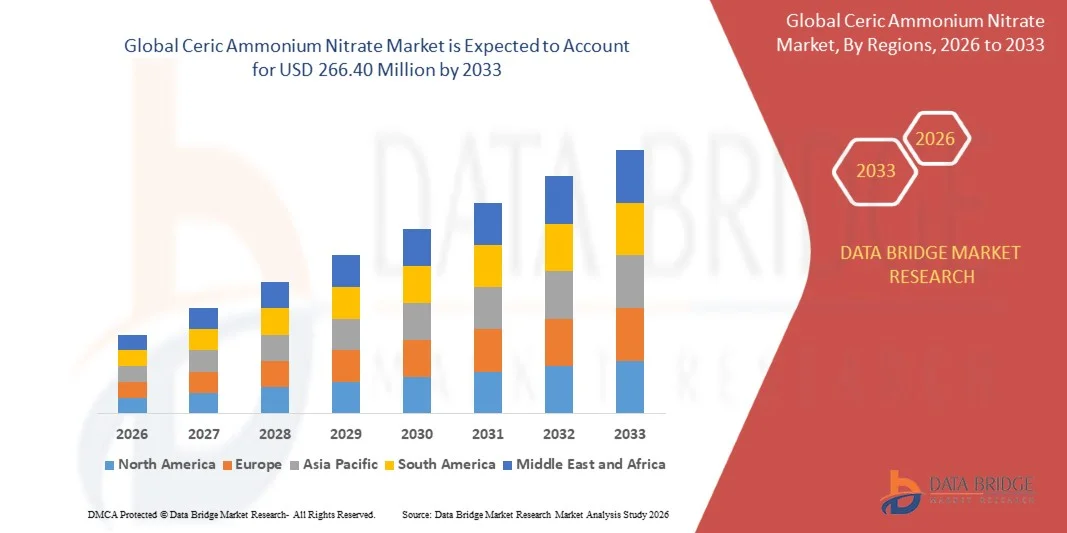
" According to the latest report published by Data Bridge Market Research, the Ceric Ammonium Nitrate Market CAGR Value The global ceric ammonium nitrate market size was valued at USD 178.94 million in 2025and is expected to reach USD 266.40 million by 2033, at a CAGR of 5.10% during the forecast period The persuasive Ceric Ammonium Nitrate Market report covers...
Mobility continues to play an important role in helping people participate in everyday activities with greater convenience and confidence. As user expectations evolve, Mobility Scooter Factory and Sweetrichmobility have become associated with mobility solutions that emphasize practicality, adaptability, and user-focused design for a wide variety of environments and lifestyles. Today's mobility...

Of all the genres in the gaming world, there's something uniquely satisfying about store management games. They start simple, lulling you into a rhythm, and before you know it, you’re the proud owner of a sprawling empire built on a single, humble product. If you're looking for a perfect, bite-sized introduction to this addictive loop, look no further than the legendary Cookie...

Low-temperature process systems demand careful engineering because cooling can affect material properties, component dimensions, sealing contact, and operating behavior. LNG facilities, industrial gas systems, hydrogen infrastructure, chemical plants, and specialized energy installations all require flow control equipment suited to their thermal environments. A professionally developed...

In a groundbreaking move, Netflix has announced plans to produce an exclusive documentary series centered around Juventus Football Club, one of Italy’s most celebrated and successful teams. This series will consist of four in-depth episodes, each lasting an hour, and will be available to viewers worldwide starting early 2018. The documentary aims to provide an intimate look into the...
