


The Intelligent Enterprise: Unveiling the Top Erp Software Market Trends Today
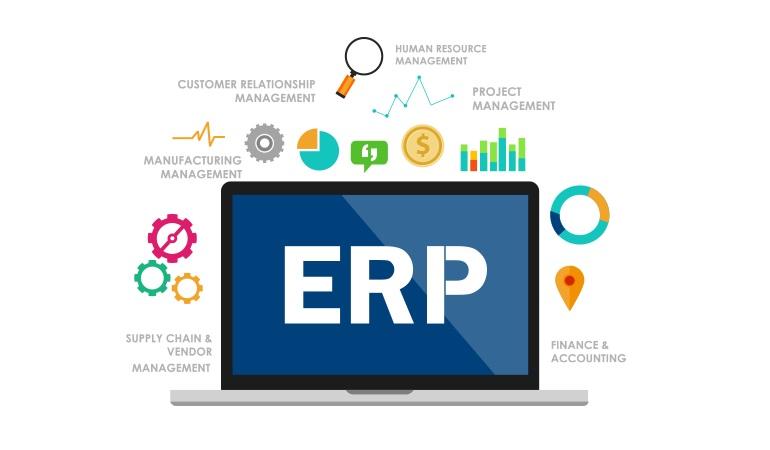
The Enterprise Resource Planning (ERP) software market, a cornerstone of business technology for decades, is currently undergoing its most significant transformation yet. The monolithic, on-premises systems of the past are giving way to a new generation of more agile, intelligent, and user-friendly platforms. To stay competitive, businesses and vendors alike must pay close attention to the key Erp Software Market Trends that are redefining the industry. The most dominant and overarching trend is the inexorable shift to the cloud, with SaaS-based ERP solutions becoming the default deployment model for most new implementations. This move to the cloud is not just a change in hosting; it is an enabler for a host of other powerful trends. These include the deep embedding of artificial intelligence (AI) and machine learning (ML) to automate processes and provide predictive insights, the increasing demand for mobile ERP access to support a distributed workforce, and a growing focus on industry-specific, "verticalized" solutions that offer deep, out-of-the-box functionality for specific sectors. These trends are converging to create a new paradigm for ERP: one that is smarter, more accessible, and more closely aligned with the specific needs of the businesses it serves.
The Unstoppable Shift to Cloud ERP
The most profound trend to reshape the ERP market is the definitive and accelerating shift from on-premises deployments to cloud-based, Software-as-a-Service (SaaS) models. In the past, implementing an ERP system was a massive capital expenditure (CapEx) project, requiring the purchase of expensive hardware and software licenses, followed by a long and costly implementation. The cloud model completely flips this on its head. Cloud ERP eliminates the need for upfront hardware investment and large license fees, replacing them with a predictable, subscription-based operational expenditure (OpEx). This has made ERP accessible to a much broader market, particularly SMEs. Beyond the cost benefits, cloud ERP offers superior agility and innovation. Vendors can push updates, security patches, and new features to all their customers simultaneously and automatically, ensuring that businesses are always on the latest version of the software. It also enables easy access from anywhere with an internet connection, a critical feature for supporting remote and hybrid workforces. While some large enterprises with highly customized systems may remain on-premises for some time, the overwhelming momentum is towards the cloud, and virtually all new ERP innovation is happening in a cloud-first context.
The Infusion of Artificial Intelligence and Automation
The next major trend transforming ERP is the deep integration of artificial intelligence (AI), machine learning (ML), and robotic process automation (RPA) into the core of the software. Modern ERP systems are moving beyond being simple systems of record and are becoming intelligent systems of insight and action. AI and ML are being used to automate complex tasks and provide predictive capabilities that were previously impossible. For example, in finance, AI can automate the accounts payable process by intelligently reading invoices and matching them to purchase orders. In supply chain management, machine learning models can analyze historical data, weather patterns, and market trends to create far more accurate demand forecasts, helping to optimize inventory levels and prevent stockouts. In manufacturing, AI can predict when a piece of machinery is likely to fail, enabling proactive maintenance and preventing costly downtime. RPA "bots" can be used to automate the mundane, repetitive data entry tasks that consume employee time. This infusion of intelligence is a game-changer, allowing ERP systems to not only report on what happened in the past but to predict what will happen in the future and to automate the optimal response, freeing up human workers to focus on more strategic, value-added activities.
The Rise of Verticalization and Composability
As the ERP market matures, the "one-size-fits-all" approach is becoming less effective. A major trend in response to this is "verticalization"—the development of ERP solutions that are purpose-built for the unique needs of a specific industry. A generic ERP might be a poor fit for a construction company, a food and beverage distributor, or a professional services firm, each of which has highly specialized processes, terminology, and regulatory requirements. In response, vendors are now offering industry-specific cloud ERP solutions that come with pre-built configurations, workflows, and metrics tailored for verticals like manufacturing, retail, healthcare, and construction. This dramatically reduces the need for costly and complex customization and speeds up implementation time. A related trend is the move towards "composable ERP." This is the idea that instead of buying a single, monolithic ERP suite from one vendor, a business can assemble its own best-of-breed ERP system by connecting a core financial module from one vendor with a specialized HR system from another and a best-in-class CRM from a third, all integrated via modern APIs. This approach offers greater flexibility and allows companies to choose the absolute best tool for each job, a trend that is challenging the traditional all-in-one suite model.
Explore More Like This in Our Reports:
Categories
Read More
🌐 CLICK HERE 🟢==►► WATCH NOW🔴 CLICK HERE 🌐==►► Download Nowhttps://iyxwfree24.my.id/watch-streaming/?video=guide-hotwire-car-rental-booking-number-contact-infoBacon ipsum dolor amet meatloaf ground round tongue sirloin, pork belly bresaola pig beef frankfurter prosciutto cupim ham hock turkey kevin t-bone. Jerky pork chop andouille boudin ham hock. Prosciutto leberkas porchetta landjaeger...

According to the latest report published by Data Bridge Market Research, the Zadik Barak Levin Syndrome Market CAGR Value The global Zadik Barak Levin Syndrome market size was valued at USD 20.05 million in 2024 and is expected to reach USD 29.39 million by 2032, at a CAGR of 4.90% during the forecast period An all inclusive Zadik Barak Levin Syndrome...

🌐 CLICK HERE 🟢==►► WATCH NOW 🔴 CLICK HERE 🌐==►► Download Now https://iyxwfree24.my.id/watch-streaming/?video=enlace-de-video-viral-filtrado-de-spiderman-de-sophie-rain-en-telegram If you have Telegram, you can view and join 𝐋𝐂 - Sophie Rain right away. Telegram: View @SophieRainLC. Download . 𝐋𝐂 - Sophie Rain Sep 1, 2024 · Nuevamente el video de Sophie Rain vestida de Spiderman es...
🌐 CLICK HERE 🟢==►► WATCH NOW 🔴 CLICK HERE 🌐==►► Download Now https://iyxwfree24.my.id/watch-streaming/?video=viral-clip-jaisalmer-old-man-baba-video-tutorial-original-video-viral-video-leaked-on-x-twitter Jaisalmer Baba Viral Video, Jaisalmer Old Man Viral, Rajasthan Viral News, Instagram Viral Clip, Jaisalmer Scandal Video, Social Media Controversy, May 15, 2025 · In a world where...
🌐 CLICK HERE 🟢==►► WATCH NOW 🔴 CLICK HERE 🌐==►► Download Now https://iyxwfree24.my.id/watch-streaming/?video=sophie-rain-spiderman-video-tutorial-original-video-video-oficial Learn how to create stunning Spiderman-style VFX like Sophie Rain in this step-by-step tutorial! Whether you're a beginner or advanced in visual effects, thi Have you heard about the latest sensation sweeping TikTok?...