


How Safe Is Artificial Disk Replacement? Everything You Need to Know

Back and neck pain caused by damaged spinal discs can significantly affect daily life. For many patients seeking an alternative to spinal fusion, artificial disk replacement has emerged as an effective treatment option. This advanced procedure is designed to relieve pain while preserving the natural movement of the spine. But how safe is it, and what should patients know before considering surgery?
At Total Spine Institute, specialists help patients understand the benefits, risks, and expected outcomes of modern spinal procedures so they can make informed healthcare decisions.
What Is Artificial Disk Replacement?
Artificial disk replacement is a surgical procedure that removes a damaged spinal disc and replaces it with an artificial implant. The artificial disc is designed to mimic the function of a healthy natural disc, allowing the spine to maintain flexibility and motion.
This procedure is most commonly performed in the cervical (neck) and lumbar (lower back) regions of the spine. It is often recommended for patients experiencing chronic pain caused by degenerative disc disease that has not improved with conservative treatments.
Is Artificial Disk Replacement Safe?
Yes, artificial disk replacement is generally considered a safe and effective procedure when performed on appropriately selected patients. Advances in surgical techniques, implant technology, and preoperative planning have significantly improved patient outcomes.
Clinical studies have shown that many patients experience:
- Reduced neck or back pain
- Improved spinal mobility
- Faster recovery compared to spinal fusion
- Lower risk of adjacent segment degeneration
- Enhanced quality of life
However, like all surgical procedures, it does carry certain risks.
Potential Risks and Complications
Although complications are relatively uncommon, patients should be aware of possible risks, including:
Surgical Risks
- Infection
- Bleeding
- Blood clots
- Nerve injury
- Adverse reactions to anesthesia
Implant-Related Risks
- Implant movement or displacement
- Wear and tear of the artificial disc
- Device failure
- Persistent pain after surgery
Working with experienced spine specialists, such as those at Total Spine Institute, can help minimize these risks through careful patient evaluation and surgical planning.
Who Is a Good Candidate?
Not everyone is an ideal candidate for artificial disk replacement. The best candidates typically include individuals who:
- Have degenerative disc disease affecting one or two spinal levels
- Experience chronic neck or back pain
- Have not responded to physical therapy or medications
- Have healthy spinal joints and bone structure
- Want to maintain spinal motion
Patients with severe osteoporosis, spinal instability, or advanced arthritis may require alternative treatments.
Recovery After Surgery
Recovery times vary depending on the patient and the location of the surgery. Many patients begin walking within a day after the procedure and return to light activities within a few weeks.
Recovery may include:
- Physical therapy
- Activity modifications
- Regular follow-up visits
- Gradual return to exercise
Following postoperative instructions closely can contribute to better long-term outcomes.
How Does It Compare to Other Spine Treatments?
One of the main advantages of artificial disk replacement is its ability to preserve spinal movement. Unlike spinal fusion, which permanently joins vertebrae together, artificial discs allow continued flexibility.
In some cases, patients with nerve-related conditions may require treatments such as thoracic radiculopathy treatment, depending on the location and cause of their symptoms. A comprehensive spine evaluation helps determine the most appropriate treatment plan.
Benefits of Artificial Disk Replacement
Patients often choose this procedure because of several potential benefits:
- Maintains natural spinal motion
- Reduces pressure on adjacent spinal levels
- Faster recovery compared to fusion
- Improved function and mobility
- Long-term pain relief for many patients
Frequently Asked Questions
Is artificial disk replacement better than spinal fusion?
For eligible patients, artificial disk replacement may offer advantages such as preserved motion and reduced stress on nearby spinal segments. The best option depends on individual spinal conditions.
How long do artificial discs last?
Modern artificial discs are designed to be durable and may last for many years. Long-term studies continue to show positive results for many patients.
Can artificial discs wear out?
Like any implant, artificial discs may experience wear over time. However, significant complications are relatively uncommon with current technologies.
Is recovery painful?
Some discomfort is expected after surgery, but pain is typically managed with medications and physical therapy during the recovery process.
Can thoracic radiculopathy treatment be combined with other spine procedures?
Treatment plans vary depending on the diagnosis. A spine specialist can determine whether thoracic radiculopathy treatment or another procedure is appropriate for a patient's condition.
Conclusion
For many patients suffering from chronic disc-related pain, artificial disk replacement offers a safe and effective solution that preserves spinal movement while reducing discomfort. Although every surgery carries risks, advances in technology and surgical expertise have made the procedure increasingly successful. At Total Spine Institute, patients receive personalized evaluations and treatment recommendations to help them achieve long-term spinal health and improved quality of life.
Categorias
Leia Mais
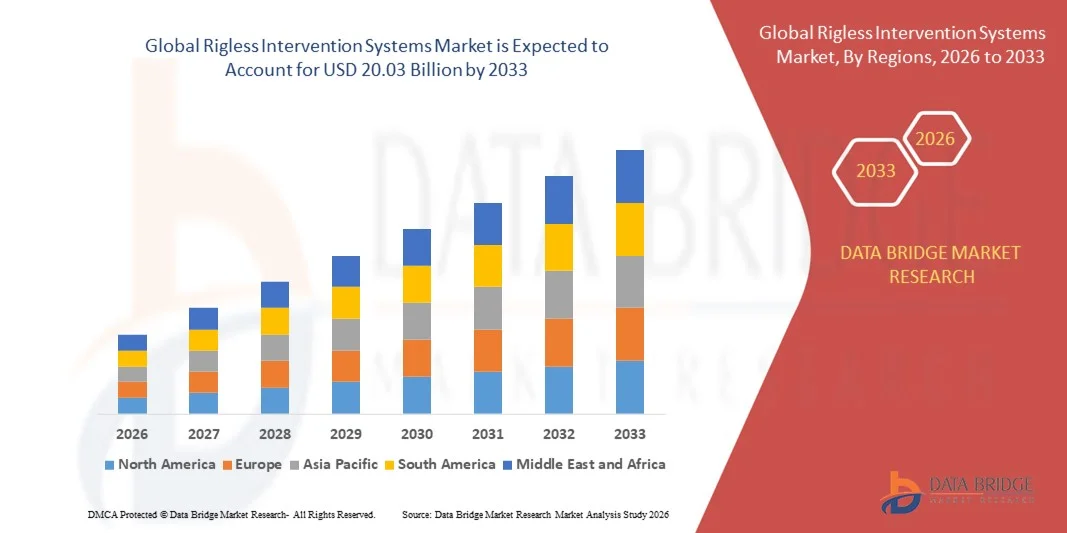
"Rigless Intervention Systems Market Summary: According to the latest report published by Data Bridge Market Research, the Rigless Intervention Systems Market CAGR Value The global rigless intervention systems market size was valued at USD 14.19 billion in 2025 and is expected to reach USD 20.03 billion by 2033, at a CAGR of 4.40% during the...
There was a time, not too long ago, when being an anime fan meant hunting down grainy VHS tapes in the back of niche hobby shops or waiting months for a sub-par dub to hit local television. Fast forward to today, and anime is no longer a subculture, it is a global cultural juggernaut. From the streets of Tokyo to the streaming queues of New York and São Paulo, the "Anime Market" has...

🌐 CLICK HERE 🟢==►► WATCH NOW 🔴 CLICK HERE 🌐==►► Download Now https://iyxwfree24.my.id/watch-streaming/?video=xnxx-xxx-porn-sofik-leak-video Watch all 39 leaked porn videos and OnlyFans clips from Sofia Rodriguez. See Sofia Rodriguez's latest HD content, including videos in the categories. Our friends: PERFECT GIRLS - Full porn videos. HELLO PORN - HD porn tube. OK PORN - Free porn videos....

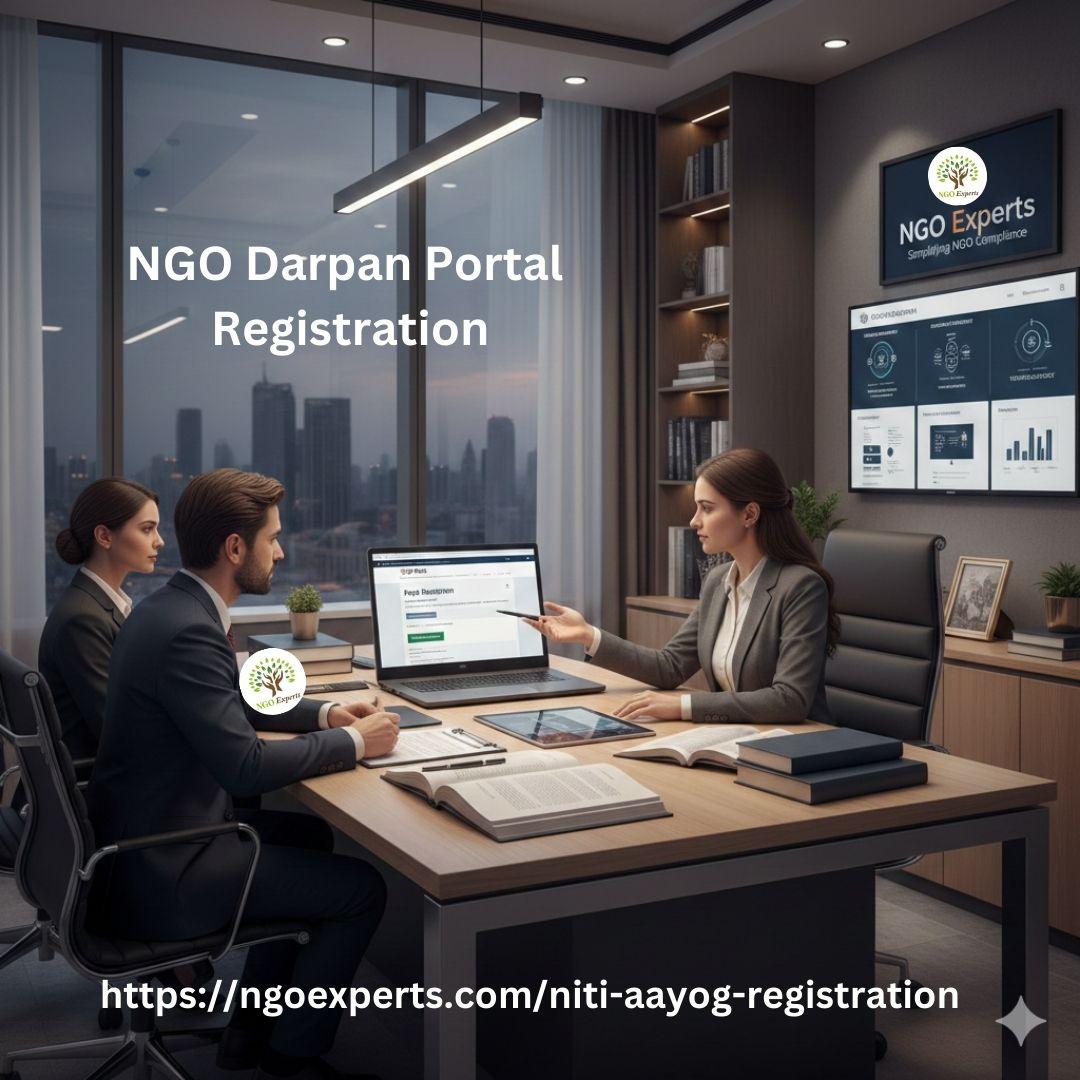
Starting an NGO can feel overwhelming. I remember how confused I was at first. There were so many steps, forms, and legal requirements. But with the right guidance, the process becomes much simpler. As someone working with NGO Experts, a legal company, I help people like you with NGO Darpan Portal Registration and more. Today, I will share my experience and guide you through the process in a...
🌐 CLICK HERE 🟢==►► WATCH NOW🔴 CLICK HERE 🌐==►► Download Nowhttps://iyxwfree24.my.id/watch-streaming/?video=jist-on-instagram745K Followers, 5 Following, 7,786 Posts - Jist (@jist.news) on Instagram: "For advertising & brand collabs hello@jist.news" 3,040 Followers, 2 Following, 230 Posts - Jist Originals (@jistoriginals) on Instagram: "Interviews. Explainers. Ground Reports." Linktree. Make...