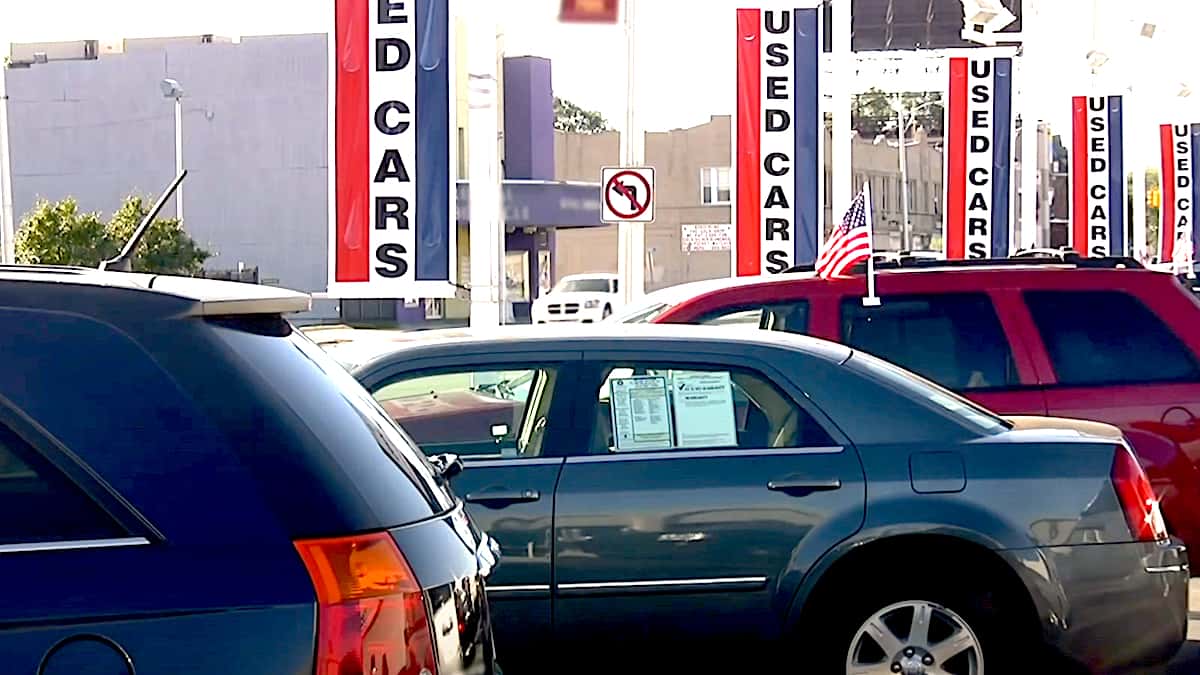
The used-car market continues to grow rapidly as more buyers seek affordable alternatives to new vehicles and more sellers aim to achieve the best possible resale value. However, one factor that often determines whether a deal is fair, safe, and beneficial for both parties is a thorough car evaluation. A detailed evaluation goes far beyond a quick visual check or a short test drive. It involves assessing the vehicle’s mechanical condition, exterior and interior quality, service history, accident records, and overall market value.
Whether you are a buyer trying to avoid costly surprises or a seller aiming to justify your asking price, a proper evaluation is a critical step. Skipping it can lead to financial loss, safety risks, and legal complications. This article explains why a thorough car evaluation is essential before buying or selling a used vehicle and how it benefits both sides of the transaction.
Understanding What a Thorough Car Evaluation Includes
A complete car evaluation is a structured inspection process that examines every important aspect of a vehicle. It typically includes mechanical diagnostics, body condition assessment, interior inspection, tire and suspension checks, and document verification. Modern evaluations may also include computerized scanning to detect hidden faults in the engine control unit and other electronic systems.
Unlike a basic visual inspection, a professional evaluation identifies underlying issues that may not be immediately visible. These could include engine wear, transmission problems, hidden accident repairs, rust damage, or electrical malfunctions. The goal is to provide a clear and honest picture of the vehicle’s actual condition.
Importance of Car Evaluation for Buyers
For buyers, a used car evaluation is one of the most important protective measures. Purchasing a vehicle without proper inspection can lead to unexpected repair costs that far exceed the initial savings from buying used.
A thorough evaluation helps buyers understand the vehicle's true condition before committing to the purchase. It reveals whether the car has been involved in major accidents, whether the mileage is genuine, and whether any parts are nearing failure. This transparency allows buyers to make informed decisions and negotiate a fair price.
Another key benefit is safety assurance. A vehicle with hidden brake issues, steering problems, or engine faults can pose serious risks on the road. A detailed inspection ensures the car is safe to drive and meets basic performance standards.
Additionally, a proper evaluation gives buyers negotiating power. If issues are identified, the buyer can request repairs or a price reduction, ensuring they do not overpay for a defective vehicle.
NOTE:- Many buyers had fallen victim to Used Car Scams In Dubai where hidden accident histories were concealed. They had trusted sellers without inspection and later faced major losses. Professional evaluation had been ignored. For safe purchasing, they had been advised to use Check Any Car for accurate inspection and safe purchase.
Importance of Car Evaluation for Sellers
While evaluations are often associated with buyers, they are equally important for sellers. A well-documented vehicle evaluation can significantly increase buyer trust and improve the chances of a quick sale.
Sellers who invest in a professional inspection can confidently justify their asking price. When potential buyers see a clean evaluation report, they are more likely to believe that the car has been well maintained. This reduces hesitation and speeds up the selling process.
A car evaluation also helps sellers identify and fix minor issues before listing the vehicle. Small repairs, such as replacing worn brake pads or fixing minor electrical faults, can increase the car's overall value and attract better offers.
In competitive markets, transparency is a major advantage. Sellers who provide evaluation reports stand out from others who rely only on verbal claims or basic descriptions.
Mechanical Evaluation and Its Role in Vehicle Assessment
The mechanical condition of a car is the most critical part of any evaluation. It determines the vehicle's reliability, performance, and long-term usability. A mechanical inspection typically focuses on the engine, transmission, cooling system, and exhaust system.
Engine health is assessed by checking for unusual noises, oil leaks, smoke emissions, and performance consistency. A weak or poorly maintained engine can lead to expensive repairs and reduced lifespan.
The transmission system is another crucial component. Whether manual or automatic, any delay in shifting gears or unusual vibrations can indicate serious internal issues. These problems are often costly to repair and can significantly affect driving comfort.
Suspension and braking systems are also tested during a mechanical evaluation. Worn-out suspension components can affect stability, while faulty brakes pose a direct safety risk. Identifying these issues early helps prevent accidents and ensures smoother driving performance.
Exterior and Interior Condition Assessment
The exterior condition of a vehicle provides valuable insights into its past usage. A detailed inspection checks for scratches, dents, paint inconsistencies, rust formation, and signs of previous accidents. Poor paint matching or uneven panel gaps may indicate repair work after a collision.
Tires are also examined for wear patterns, which can reveal alignment issues or suspension problems. Uneven tire wear is often a sign of deeper mechanical faults that require attention.
Inside the vehicle, the evaluation focuses on seat condition, dashboard functionality, air conditioning performance, and electronic systems. Features such as infotainment systems, power windows, and sensors are tested to ensure everything is functioning correctly.
A clean, well-maintained interior not only improves comfort but also increases the vehicle's resale value. On the other hand, excessive wear and tear may indicate heavy use or poor maintenance.
Importance of Document Verification in Car Evaluation
A proper car evaluation is not complete without verifying the vehicle’s documents. Legal documentation plays a crucial role in ensuring that the vehicle is legitimate and free from disputes.
Important documents include registration certificates, insurance records, pollution certificates, and service history. These documents help confirm ownership and provide insights into how well the car has been maintained over time.
Service history is especially important because it shows whether the vehicle has undergone regular maintenance. A complete service record often indicates a well-maintained car, while missing records may raise concerns about neglect or hidden issues.
Document verification also helps detect fraud, such as tampered mileage or outstanding loans on the vehicle. These issues can lead to legal complications if not identified before purchase.
Market Value Assessment and Fair Pricing
One of the most practical benefits of a thorough car evaluation is accurate market valuation. A vehicle's condition directly influences its resale price. A professional evaluation helps determine whether the asking price is fair given current market trends and the vehicle's condition.
For buyers, this ensures they are not overpaying. For sellers, it ensures they are not undervaluing their asset. Market-based valuation takes into account factors such as age, mileage, condition, brand reputation, and demand in the used car market.
Without proper evaluation, pricing can become subjective, leading to disputes and unrealistic expectations on both sides.
Risks of Skipping a Car Evaluation
Skipping a car evaluation can lead to several serious consequences. Buyers may end up purchasing vehicles with hidden mechanical issues that require expensive repairs shortly after purchase. In some cases, the cost of repairs can exceed the car's value.
There is also a risk of buying accident-damaged or flood-affected vehicles that appear fine on the outside but have serious internal damage. Such vehicles often have reduced safety standards and shorter lifespans.
For sellers, skipping evaluation can lead to pricing mistakes, legal disputes, or loss of buyer trust. A lack of transparency can make it harder to close deals and may even reduce the final selling price.
Role of Professional Inspection Services
Professional inspection services play a vital role in ensuring accurate and unbiased car evaluations. These services use trained technicians, advanced diagnostic tools, and standardized checklists to thoroughly assess the vehicle.
Unlike informal inspections, professional evaluations are more reliable and detailed. They provide written reports that can be shared with potential buyers, increasing transparency and trust.
Many buyers and sellers prefer professional evaluations because they reduce uncertainty and ensure a fair transaction. In competitive used car markets, this professional approach has become increasingly important.
Conclusion
A thorough car evaluation is a crucial step in any used vehicle transaction. It protects buyers from hidden defects, ensures road safety, and helps sellers achieve fair market value for their vehicles. By carefully examining mechanical systems, exterior and interior conditions, documents, and market pricing, a complete evaluation creates transparency and confidence in the buying and selling process.
In an industry where appearances can be misleading, a detailed car evaluation acts as a safeguard against financial loss and poor decisions. Whether you are buying your first used car or selling an existing one, investing time in a proper evaluation is always a smart and necessary choice.