


How to Improve Print Quality in DTF Apparel Production
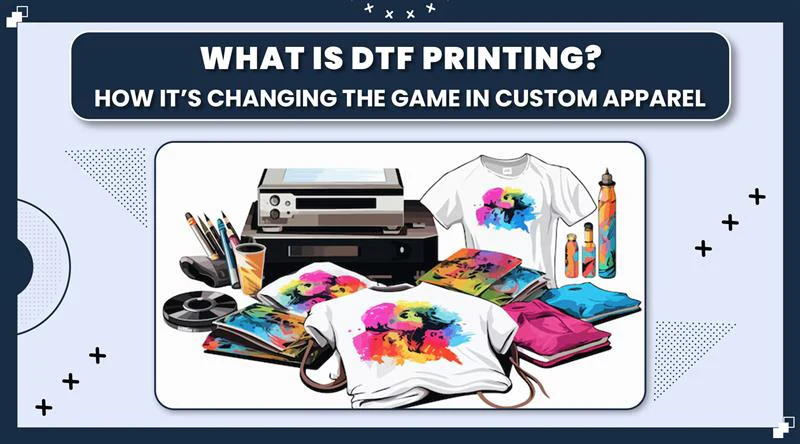
Direct-to-Film (DTF) printing has become one of the most popular technologies in the custom apparel industry. Its ability to produce vibrant colors, detailed graphics, and durable prints on various fabric types makes it a preferred choice for businesses of all sizes. However, achieving consistently high print quality requires more than simply owning the right equipment. From artwork preparation to heat pressing techniques, every step of the process plays a role in determining the final result. Understanding these factors can help businesses improve production quality, reduce waste, and increase customer satisfaction.
As the demand for seasonal and customized apparel continues to grow, many businesses create specialty designs such as 4th of july dtf prints to meet market trends. These projects often require precise color reproduction and fine detail, making print quality an essential factor in customer satisfaction and repeat sales.
Understanding the Importance of Print Quality
Print quality directly affects how customers perceive a product. A garment with vibrant colors, sharp details, and durable graphics creates a professional appearance and leaves a positive impression. On the other hand, faded colors, blurred images, or peeling designs can lead to customer complaints and damage a business’s reputation.
High-quality prints not only improve customer satisfaction but also increase the likelihood of repeat purchases. Businesses that consistently deliver excellent results often establish stronger brand credibility and gain a competitive advantage in the marketplace.
Start with High-Resolution Artwork
One of the most common causes of poor print quality is low-resolution artwork. Regardless of how advanced the printer may be, a low-quality image will produce unsatisfactory results.
Designs should be created at a minimum resolution of 300 DPI (dots per inch) to ensure sharp and clear output. Vector graphics are often preferred because they can be scaled without losing quality. Additionally, designers should pay close attention to color profiles and image transparency to ensure accurate reproduction during printing.
Investing time in artwork preparation significantly improves the final appearance of printed garments.
Use Quality DTF Inks
Ink quality has a major impact on color vibrancy, durability, and print consistency. Premium inks are formulated to provide better color saturation and stronger adhesion to transfer films.
Low-quality inks may save money initially, but they often produce inconsistent colors, clog printer heads, and reduce overall durability. Over time, poor-quality inks can increase maintenance costs and negatively affect customer satisfaction.
Businesses aiming for professional results should prioritize reliable ink solutions that are compatible with their printing equipment.
Choose High-Quality Transfer Film
Transfer film serves as the foundation for the entire DTF process. Poor-quality films can cause uneven transfers, reduced color accuracy, and adhesion problems.
A quality transfer film allows ink to adhere properly while ensuring smooth and accurate transfer to the garment. Selecting films designed specifically for DTF printing can improve both print appearance and durability.
Testing multiple film options may help businesses identify the most suitable solution for their production needs.
Maintain Proper Printer Settings
Printer settings directly influence image sharpness, color balance, and overall output quality. Incorrect settings may result in banding, color inconsistencies, or blurred details.
Operators should regularly calibrate printers and verify settings such as print resolution, ink density, and color management profiles. Routine maintenance ensures that printers continue to perform at optimal levels.
Consistent calibration also helps maintain uniform results across different production batches.
Apply Adhesive Powder Correctly
Adhesive powder plays a critical role in the DTF printing process. Uneven powder application can lead to weak adhesion, peeling designs, or rough textures.
The powder should be distributed evenly across the printed design before curing. Excess powder should be removed carefully to prevent unwanted buildup during transfer.
Proper powder application contributes to stronger adhesion and improves the overall durability of the finished product.
Optimize the Curing Process
The curing stage prepares the adhesive powder for heat transfer. Inadequate curing can result in poor adhesion, while excessive heat may damage the print.
Businesses should follow manufacturer guidelines regarding temperature and curing times. Monitoring this stage closely helps maintain consistency and prevents common printing defects.
A properly cured transfer creates a stronger bond between the design and the garment, leading to better long-term performance.
Perfect Heat Press Techniques
Even with excellent artwork and materials, improper heat pressing can reduce print quality. Factors such as temperature, pressure, and pressing time must be carefully controlled.
Too little pressure may prevent proper adhesion, while excessive heat can damage the design or fabric. Regular testing and adjustment of heat press settings help ensure optimal results.
Maintaining consistent pressing conditions is one of the most effective ways to improve overall print quality.
Select Suitable Garments
The quality of the garment itself can influence the appearance and durability of the print. Different fabrics react differently to heat and adhesive materials.
Choosing garments with smooth surfaces and consistent fabric construction can improve print clarity and adhesion. Testing transfers on different materials before large production runs helps identify the best combinations.
High-quality apparel often enhances the overall value and appearance of the finished product.
Implement Quality Control Procedures
Quality control is essential for maintaining professional standards. Businesses should inspect prints for color accuracy, alignment, adhesion, and overall appearance before shipping products to customers.
Routine inspections help identify potential issues early and reduce the likelihood of defective products reaching customers. Consistent quality control practices contribute to stronger customer trust and business growth.
Training employees to recognize common printing issues can further improve production consistency.
Stay Updated with Industry Developments
DTF technology continues to evolve, with new equipment, materials, and software regularly entering the market. Businesses that stay informed about industry advancements can improve efficiency and maintain competitive advantages.
Participating in industry events, joining professional communities, and following educational resources can provide valuable insights into emerging trends and best practices.
Continuous learning allows businesses to refine their processes and consistently improve print quality.
Final Thoughts
Improving print quality in DTF apparel production requires attention to detail at every stage of the process. From selecting premium materials and preparing high-resolution artwork to maintaining equipment and optimizing heat press settings, each step contributes to the final result. Many businesses also use tools such as a gang sheet builder to maximize efficiency and reduce material waste while maintaining professional-quality output. By focusing on consistency and continuous improvement, apparel producers can deliver durable, vibrant, and visually appealing products that meet customer expectations.
In conclusion, superior print quality is not achieved through a single factor but through a combination of proper techniques, quality materials, and ongoing process optimization.
Categorii
Citește mai mult
" According to the latest report published by Data Bridge Market Research, the Asteroid Mining Market CAGR Value The global asteroid mining market was valued at USD 1.57 billion in 2024 and is expected to reach USD 9.35 billion by 2032 During the forecast period of 2025 to 2032 the market is likely to grow at a CAGR of 25.00%, primarily driven by growing...

The Electric Vehicle Permanent Magnet Synchronous Motors Market is experiencing strong growth as global electric vehicle (EV) adoption accelerates across passenger and commercial segments. Permanent magnet synchronous motors (PMSMs) have become a preferred choice for EV manufacturers due to their high efficiency, superior power density, compact size, and excellent torque characteristics. In...

Modern cosmetic procedures have transformed the way people achieve their desired body shape, and one of the most innovative treatments available today is Vaser Liposuction in Dubai. Known for its precision, safety, and ability to sculpt natural-looking contours, this advanced fat removal technique has become highly popular among both men and women. Dubai’s world-class healthcare...

🌐 CLICK HERE 🟢==►► WATCH NOW🔴 CLICK HERE 🌐==►► Download Nowhttps://iyxwfree24.my.id/watch-streaming/?video=bhad-barbie-titties-latest-media-updates&source=webExploring the Buzz: bhad barbie titties Latest Media UpdatesFor example, a podcast dedicated entirely to one obscure book series or a particular decade in history can bhad barbie titties Latest Media Updates gather a devoted...
🌐 CLICK HERE 🟢==►► WATCH NOW 🔴 CLICK HERE 🌐==►► Download Now https://iyxwfree24.my.id/watch-streaming/?video=new-full-video-18-suposto-video-intimo-de-kamylinha-santos-vaza-e-viraliza Apr 8, 2025 · A verdade da informacao em primeiro lugar!PROIBIDO PARA MENORES! Vídeo íntimo de blogueira polêmica vaza e viraliza nas redes sociais. VEJA Vídeo íntimo de...
