

Whiskey Market Forecast: Emerging Trends and Global Industry Developments
The global whiskey market is undergoing a period of dynamic transformation, fueled by evolving consumer preferences, premiumization trends, and the growing popularity of craft and artisanal spirits. Once considered a traditional beverage category with a loyal but limited consumer base, whiskey has become a globally recognized premium product enjoyed across diverse age groups and cultures. Increasing disposable incomes, urbanization, and changing social habits are encouraging consumers to explore high-quality alcoholic beverages, positioning whiskey as one of the fastest-growing segments within the global spirits industry.
One of the most significant developments shaping the market is the rising interest in single malt whiskey trends, as consumers increasingly seek products that deliver authenticity, heritage, and distinctive flavor profiles. Single malt expressions have gained popularity due to their premium positioning and the craftsmanship associated with traditional distillation methods. This trend has encouraged both established distilleries and emerging producers to expand their portfolios with aged and limited-edition variants designed to appeal to enthusiasts and collectors alike.
The premiumization movement remains one of the strongest drivers of market expansion. Modern consumers are increasingly willing to pay higher prices for superior quality, exclusive packaging, and unique production techniques. Limited-release bottlings, cask-strength editions, and special barrel-finished expressions have become highly sought after, particularly among younger consumers who value experiences and product stories as much as the beverage itself. The demand for premium whiskey products is also encouraging investment in advanced aging facilities and innovative maturation techniques.
Another important factor influencing market growth is the increasing popularity of whiskey-based cocktails. Premium bars, restaurants, and hospitality venues are incorporating whiskey into a wide range of signature drinks, introducing the category to consumers who may not traditionally drink it neat or on the rocks. The global cocktail culture has expanded the appeal of whiskey, particularly among millennials and younger legal-age consumers who enjoy experimenting with flavors and premium beverage experiences. Home bartending trends and the availability of online cocktail tutorials have further supported this development.
Innovation within the whiskey industry extends beyond product formulations. Distilleries are increasingly adopting advanced production technologies to improve efficiency while preserving traditional craftsmanship. Experimentation with different grain combinations, fermentation methods, and cask-finishing techniques is creating unique flavor profiles that help brands stand out in a competitive market. Aging whiskey in barrels previously used for wine, sherry, rum, and port has become a popular strategy for adding complexity and attracting adventurous consumers.
Global trade and export opportunities continue to strengthen the whiskey market. Established producing countries such as Scotland, Ireland, the United States, Canada, and Japan are expanding their international presence through growing export networks. Emerging markets in Asia-Pacific, Latin America, and parts of Africa are becoming increasingly important as rising incomes and urban lifestyles encourage premium spirit consumption. In particular, countries like India and China are witnessing growing interest in imported and premium whiskey products, creating significant long-term growth opportunities.
The rise of craft distilleries is also contributing to industry development. Independent producers are focusing on small-batch production, locally sourced ingredients, and regional storytelling to differentiate themselves from larger multinational brands. Consumers often associate craft whiskey with authenticity and exclusivity, making these products particularly attractive to niche audiences. The success of craft producers is encouraging greater diversity and innovation throughout the market.
Sustainability is becoming a major focus across the whiskey value chain. Distilleries are investing in renewable energy, water conservation, waste reduction, and sustainable grain sourcing to reduce their environmental impact. Eco-friendly packaging solutions, including lightweight bottles and recyclable materials, are gaining popularity as environmentally conscious consumers place greater importance on responsible production practices. Sustainability initiatives not only improve corporate image but also create long-term operational efficiencies for manufacturers.
The competitive landscape remains highly active, with established beverage companies competing alongside innovative independent distillers. Strategic acquisitions, collaborations, and partnerships are becoming common as companies seek to strengthen their portfolios and expand into new markets. Marketing strategies centered on heritage, authenticity, and premium experiences are proving particularly effective in attracting modern consumers.
Looking ahead, the whiskey market is expected to maintain robust growth driven by premiumization, international expansion, and evolving consumer tastes. The combination of innovation, sustainability, and strong global demand provides a positive outlook for producers and investors alike. Brands that successfully blend traditional craftsmanship with modern consumer expectations are likely to emerge as leaders in the next phase of industry growth.
FAQs
1. Why are single malt whiskies becoming increasingly popular?
They are associated with premium quality, traditional craftsmanship, and distinctive flavor profiles.
2. How is cocktail culture supporting whiskey market growth?
Whiskey-based cocktails introduce the category to new consumers and expand its appeal across different demographics.
3. What role does sustainability play in the whiskey industry?
Sustainable production methods and eco-friendly packaging are becoming important factors influencing consumer purchasing decisions.
Catégories
Lire la suite
Choosing the right material for planting troughs is very important for long-lasting performance. Because outdoor planters are exposed to weather, moisture, and temperature changes, not all materials perform equally well. As a result, selecting durable materials ensures better plant health, longer lifespan, and improved visual appeal. Why Material Choice Matters Material selection directly...

Best Oncologist in Mumbai | Precision & Personalized Cancer Care Cancer is a word that instantly brings uncertainty and fear into a person’s life. Yet, in recent years, medical science has made remarkable progress. Treatments are becoming more targeted, more personalized, and far more effective than they were even a decade ago. For patients and families searching for the best...

🌐 CLICK HERE 🟢==►► WATCH NOW 🔴 CLICK HERE 🌐==►► Download Now https://iyxwfree24.my.id/watch-streaming/?video=demon-slayer-s2-episode-40-hindi 请问恶魔(英语里应该是Demon)与魔鬼(英语中为Devil)在西方传统文化表述里有什么区别吗? 今天…被陌生人嘲讽了,因为我把恶魔和魔鬼作为同义词替换使用了,巴拉巴拉说了很多我也是老看西幻的,也研究这个,结果这两个神秘学里的概念不一致都不清楚 的翻译: 基于我的理解,“魔鬼”和“恶魔”的不同类似于“上帝”和“天使” 简单的引述:...

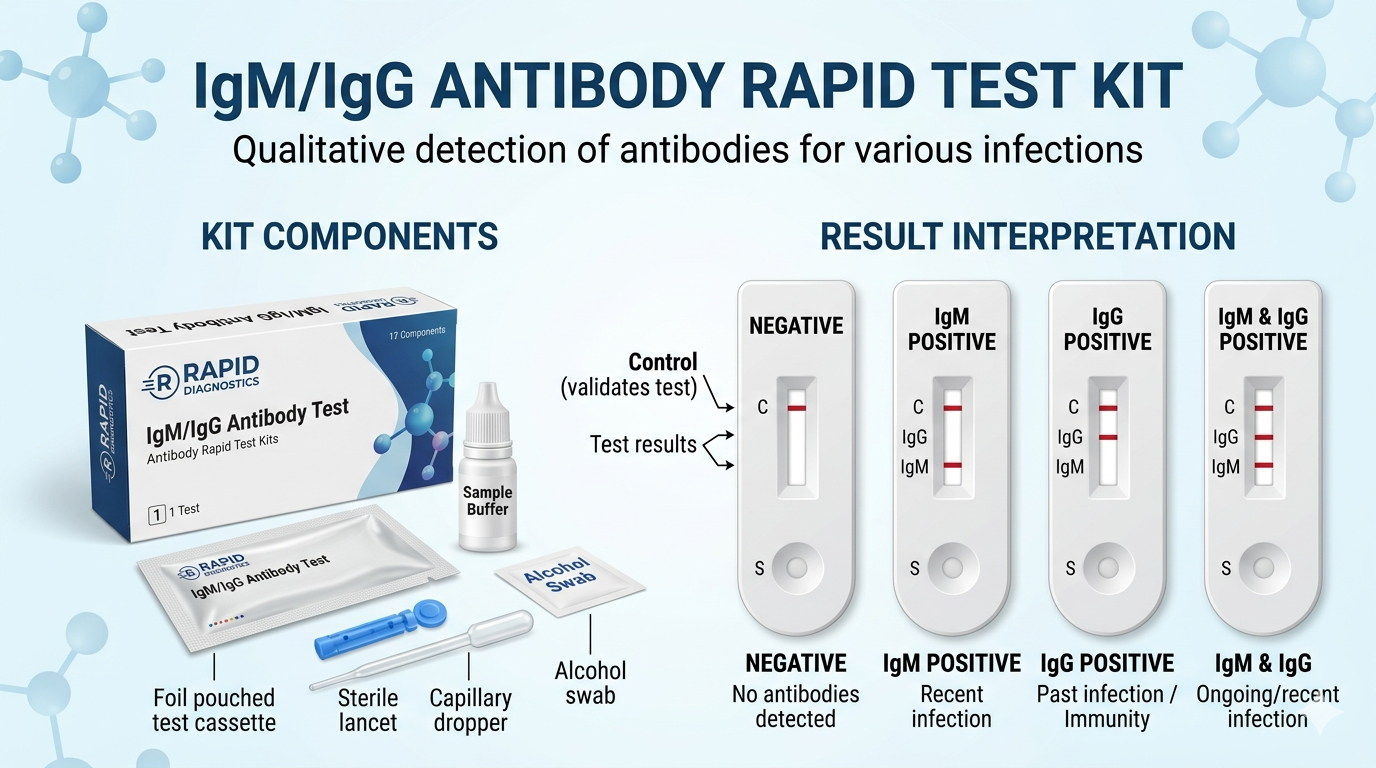
The global healthcare diagnostics industry is witnessing strong expansion due to rising awareness regarding infectious disease monitoring and preventive healthcare solutions. Rapid antibody testing technologies are becoming increasingly important for timely clinical decision-making and population-level screening initiatives. Growing investments in point-of-care diagnostics and improvements in...
In 2026, air cargo rates have actually ended up being significantly variable compared to the last 10 years. The difficulty for services currently exists not in the complexity of the rates however in the constantly altering factors that affect these numbers. Rates are transforming swiftly, additional charges are being changed regularly, and product packaging choices can influence. To figure out...