


Why Serious Collectors Choose Ceylon Sapphires — Roughcut Ceylon Sapphire Co. Explains
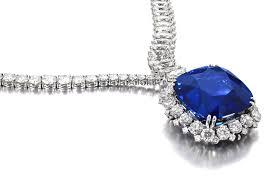
Discover why Ceylon sapphires are prized above all others. From colour grading to price per carat, this guide covers everything serious buyers need to know. Shop Roughcut Ceylon Sapphire Co.
A Stone With a Two-Thousand-Year Track Record
Some gemstones become fashionable. Others become foundational.
The Ceylon sapphire belongs to the second category. It has appeared in the crown jewels of multiple nations, in the engagement rings of royalty, and in the collections of serious gem investors for longer than most modern institutions have existed. That is not marketing copy. That is recorded history.
What is less well understood is why. Why does Sri Lanka consistently produce sapphires that outperform other origins at auction? Why do gemologists refer to Ceylon blue specifically, as though the geography is part of the grade? And what should a buyer in Britain, the United States, or anywhere else actually know before purchasing one?
This guide answers those questions without the showroom softening. If you want to compare what you learn here with actual available stones, the Roughcut Ceylon Sapphire Co. collection is a useful reference point throughout.
What Makes Ceylon Sapphires Different
The answer is geological before it is commercial.
Sri Lanka sits on one of the oldest rock formations on earth, a Precambrian metamorphic complex that created the precise pressure, temperature, and chemical conditions needed to produce gem-quality corundum in an extraordinary variety. The Ratnapura district, whose name translates literally as "City of Gems," has been actively mined for over two millennia.
What emerges from these gravels is a sapphire with a characteristic brightness that gemologists describe as a high transparency and vivid saturation combination. Unlike some origins where fine colour comes with significant inclusions, Ceylon sapphires frequently achieve both simultaneously. That combination is rare and is the root of the origin premium.
The Colour Characteristic That Sets Ceylon Apart
The Ceylon blue sapphire is typically described in trade terms as a medium to medium-dark vivid blue, often with a slight violet secondary hue that adds depth without darkening the stone. This is distinct from the intense, slightly inky blue associated with some Burmese stones and the lighter, sometimes washed-out tones of lower-quality material from other sources.
The Ceylon sapphire colour chart extends well beyond blue. Pink Ceylon sapphires, particularly in clean medium tones without grey, are highly sought for engagement settings. The padparadscha, a term with Sinhalese origins describing the colour of a lotus flower at dusk, is the rarest and most valuable variety, displaying a unique orange-pink that no other origin reliably produces.
Who Values Ceylon Sapphires Most
The Luxury Engagement Ring Market
The renewed interest in sapphire engagement rings that followed the global attention on the late Princess Diana's ring, now worn by Princess Catherine, has made Ceylon sapphires a first consideration for couples seeking a meaningful coloured stone. A Ceylon sapphire engagement ring offers historical weight, visual impact, and a conversation that no other gemstone quite replicates.
For buyers in the UK, particularly, the association is culturally resonant in a way that transcends
Designers Working at the Luxury End
Custom jewellery at the level where clients specify origin and certification requires a supplier relationship built on consistent documentation. The ability to present a client with a stone and its full gemological record is increasingly a baseline expectation rather than a premium service.
Understanding Ceylon Sapphire Pricing
What Drives the Price Per Carat
Ceylon sapphire price per carat is determined by four primary factors working in combination: colour quality, clarity, treatment status, and carat weight. Of these, colour is the dominant driver.
A one-carat Ceylon sapphire of good heated quality in a commercial-grade blue might be purchased for a few hundred pounds per carat at wholesale. The same origin in an exceptional, vivid, unheated stone could reach tens of thousands per carat. The range is that wide.
The Treatment Premium
Heat treatment is standard in the sapphire trade. Most Ceylon sapphires on the market have been heated to improve colour saturation. This is accepted, disclosed by ethical sellers, and reflected in lower pricing compared to unheated equivalents.
Certified unheated Ceylon sapphires carry a premium that typically ranges from fifty to several hundred per cent above comparable heated stones. The premium exists because unheated material of genuine quality is rare and becoming rarer as surface deposits are exhausted.
Price at the One-Carat Mark
The Ceylon sapphire one-carat price point is where most engagement ring buyers begin their research. At this weight, a well-cut, heated Ceylon blue sapphire with good colour typically falls between £800 and £3,000 per carat depending on quality. Unheated equivalents begin higher and scale steeply with colour quality.
How to Buy a Ceylon Sapphire with Confidence
Verify the certificate issuer. GIA, Gübelin, and SSEF are the three internationally accepted authorities for origin and treatment verification. These certifications cost hundreds to over £1000 to obtain - so are often reflected in higher pricing of the stone. Certificates from lesser-known laboratories, but still trusted within the industry, do not carry the same market weight.
Read the certificate carefully. The report will state the geographic origin and whether heat treatment evidence was found. The phrasing matters: "no indications of heating" is the unheated designation. "Indications of heating" or the absence of any treatment statement indicates a heated stone.
Request natural light imagery. Studio photographs with controlled lighting can significantly flatter a stone. Natural daylight photography, or a short video, shows you the actual colour behaviour you will live with in the setting.
Consider the setting before finalising the stone. A Ceylon sapphire diamond ring places specific requirements on the stone's proportions. Depth percentage, girdle thickness, and table size all affect how the stone performs in a bezel or claw setting. A good supplier will advise on this before purchase.
How Roughcut Ceylon Sapphire Co. Works
Roughcut Ceylon Sapphire Co. was built on a straightforward principle: buyers deserve to know exactly what they are getting before they pay for it.
That means direct sourcing from Sri Lanka, individual certification for every stone, and photography that reflects reality rather than aspiration. The collection spans the full range of Ceylon sapphire varieties, from classic blue through pink to the exceptionally rare padparadscha, with each stone documented from origin to listing.
For buyers who want to explore available certified Ceylon sapphires across all colour varieties, the collection at Roughcut Ceylon Sapphire Co. is updated with new acquisitions as they are certified and ready for viewing.
FAQ Section
Why are Ceylon sapphires considered the best in the world? Ceylon sapphires come from Sri Lanka's ancient gem gravels, which produce a consistently vivid, transparent blue that other origins rarely match at scale. Their two-thousand-year track record in royal collections and fine jewellery markets has established a reputation backed by both gemological data and historical demand.
What colours do Ceylon sapphires come in? Ceylon sapphires are produced in a wider colour range than most buyers expect. Blue is the most recognised variety, from cornflower to deep royal blue. Sri Lanka also produces pink, yellow, white, and the extraordinarily rare padparadscha, an orange-pink stone with no equivalent from any other origin in the world.
How do I know if a sapphire is genuinely from Ceylon? The only reliable confirmation is a certificate from a recognised gemological laboratory. These institutions use spectrographic and chemical analysis to identify geographic origin. A seller's claim, however credible the source appears, cannot substitute for a laboratory report.
What is a fair price for a Ceylon sapphire? Price depends heavily on colour, clarity, carat weight, and whether the stone is heated or unheated. Heated Ceylon blue sapphires of good quality typically range from several hundred to a few thousand pounds per carat. Certified unheated stones of equivalent or superior quality begin significantly higher and scale steeply with colour grade.
Is a Ceylon sapphire suitable for an engagement ring? Sapphires rank nine on the Mohs hardness scale, making them among the most durable gemstones available for everyday wear. A Ceylon sapphire engagement ring combines exceptional durability with distinctive colour and historical significance. It is a genuinely practical and meaningful choice for a stone intended to be worn daily.

 English
 Arabic
 French
 Spanish
 Portuguese
 Deutsch
 Turkish
 Dutch
Dutch
 Russian
 Romaian
 Portuguese (Brazil)
 Greek
Greek