


Can You Sell a Home With Structural Problems Without Repairs?
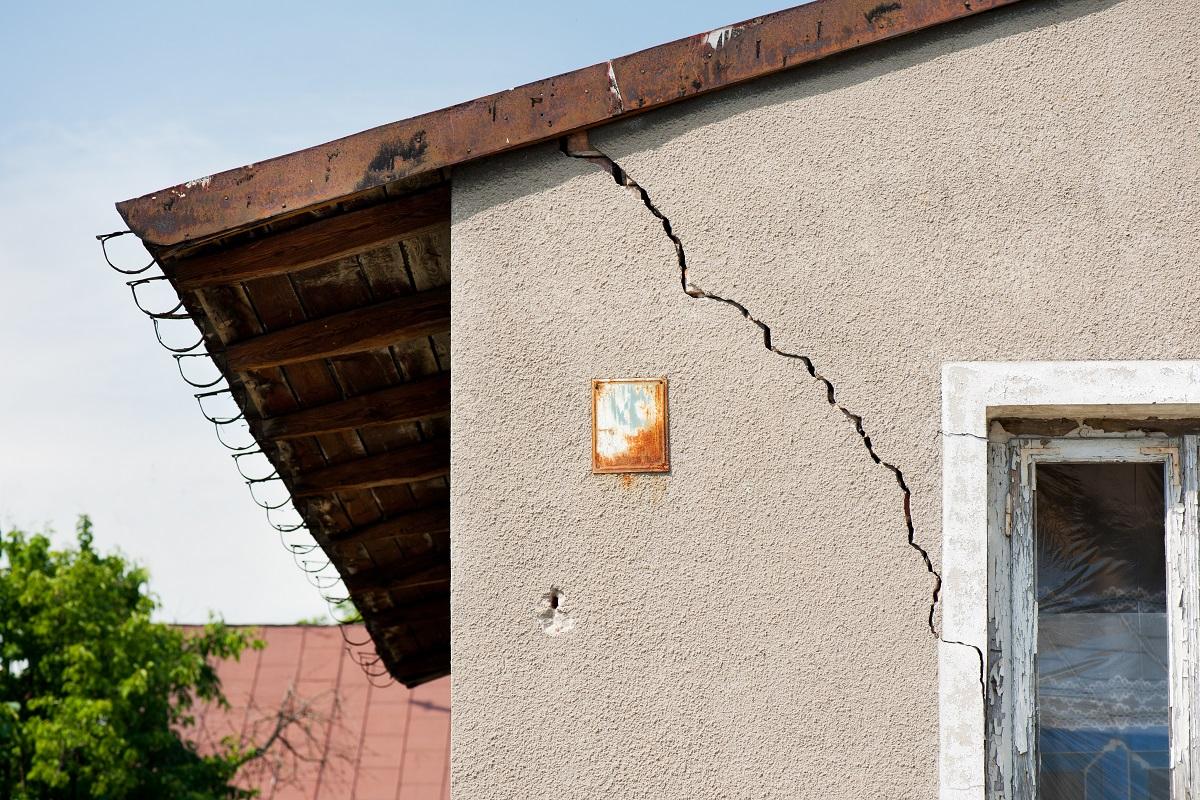
Selling a home that has major damage can feel overwhelming, especially when contractors start throwing around five-figure repair estimates. Property owners facing structural problems house assume they must repair everything before listing. That is not always true. In today’s market, properties with visible cracks, settling, or serious foundation issues are sold every day without repairs. The key is understanding how buyers evaluate risk, how lenders react, how pricing must adjust, and which sales strategy fits your timeline.
This guide breaks down real numbers, examples, and practical selling paths so you can make a financially sound decision instead of reacting emotionally.
What Counts as Structural Problems in a House?
Structural damage goes beyond cosmetic cracks or aging finishes. It affects the integrity of the home’s load-bearing system.
Load Bearing vs Cosmetic Damage
Cosmetic damage includes drywall cracks, chipped paint, or minor surface settlement. Structural damage involves shifting beams, sagging floors, cracked slabs, bowing walls, or compromised framing. A structural problems house often shows uneven flooring, sticking doors, stair-step cracks in brick, or visible separation between walls and ceilings.
According to the International Association of Certified Home Inspectors, foundation movement is one of the most common major structural findings in U.S. homes.
Common Signs of Foundation Issues
-
Horizontal cracks in basement walls
-
Doors and windows that no longer close properly
-
Sloping floors
-
Gaps between walls and ceilings
-
Water intrusion in crawl spaces
Severe foundation problems can reduce buyer confidence immediately and trigger lender scrutiny during appraisal.
How Structural Problems Impact Market Value
When a property has visible structural damage, value is affected in three major ways: buyer pool reduction, financing limitations, and perceived risk discount.
Pricing Data
According to Realtor.com and Bankrate reports, homes with documented structural damage typically sell for 15 to 40 percent below comparable properties in similar condition. The percentage depends on the severity and the repair estimate size.
For example, Bankrate reports foundation repair costs range between $4,000 and $25,000 nationally, depending on method and soil conditions. Buyers often subtract not only the repair cost but also additional “risk padding” when negotiating.
Lender Restrictions
Many traditional lenders will not approve conventional loans for properties with serious foundation problems unless repairs are completed before closing. FHA and VA loans are particularly strict regarding structural soundness and safety requirements.
That means your buyer pool shrinks primarily to:
-
Cash buyers
-
Investors
-
Renovation loan borrowers
Reduced buyer competition usually equals lower offers.
Legal Disclosure Requirements When Selling As Is
You can sell house as is, but you cannot legally hide defects.
Federal and State Disclosure Laws
Most states require sellers to complete a property disclosure statement. Structural defects, past foundation repairs, or known settling must be disclosed honestly. Failing to disclose can lead to post-sale lawsuits. Even if you sell as is, disclosure laws still apply. “As is” only means the seller will not make repairs before closing.
Inspection Reports and Liability
If you previously obtained a structural engineer report, many states require you to share it with potential buyers. Transparency often reduces later disputes and builds credibility.
Can You Sell a Home With Structural Problems Without Repairs?
Yes. The strategy simplifies changes.
Selling As Is on the Open Market
Listing a structural problems house publicly allows you to test market demand. However, expect:
-
Longer time on market
-
Inspection contingencies
-
Renegotiation after repair estimates
Accurate pricing is critical. Overpricing leads to repeated price drops, which signals distress.
Strategic Pricing Formula
-
Determine the fair market value if fully repaired
-
Subtract the contractor repair estimate
-
Subtract an additional 10 to 20 percent risk buffer
-
Adjust for local buyer demand
For example, if the repaired value equals $400,000 and structural repairs cost $30,000, buyers may offer between $330,000 and $350,000, depending on competition.
Who Buys Homes With Foundation Issues?
Understanding buyer type is essential.
Real Estate Investors
Investors actively pursue properties with a weak foundation because they calculate margins differently than retail buyers. They focus on after-repair value and profit spread, not emotional comfort.
Many specialize in distressed acquisitions and offer fast closings. If you are exploring options, you can learn more about selling a house with foundation issues to understand investor expectations and negotiation patterns.
Distressed Property Specialists
Some companies provide distressed property acquisition services, targeting homes with structural complications. These buyers typically pay cash and close within weeks, minimizing financing risk.
Why Traditional Buyers Walk Away
Owner-occupants relying on mortgages often avoid structural concerns due to loan denial risk and the fear of hidden costs.
Repair vs Sell As Is Comparison
| Option | Time to Close | Price Outcome | Financing Risk | Upfront Cost |
| Sell As Is | 30 to 120 days | 15 to 40 percent below market | Moderate | None |
| Repair First | 3 to 6 months | Near full value | Low | High |
| Investor Sale | 7 to 30 days | 20 to 35 percent below market | Very Low | None |
These ranges align with publicly available national cost and pricing reports from Bankrate and Realtor.com.
Real Life Examples
Realtor.com Example
Realtor.com documented a seller in Texas who listed a home with slab settling damage. The home was priced 25 percent below the neighborhood average and sold within 45 days to a cash buyer.
Bankrate Repair Data
Bankrate confirms average pier and beam foundation repairs fall between $5,000 and $15,000, while major underpinning can exceed $20,000. Sellers often determine that absorbing a discount is less stressful than managing construction.
Investor Flip Scenario
In a publicly shared BiggerPockets forum case study, an investor purchased a property with visible structural damage at a 30 percent discount, completed $22,000 in repairs, and resold within six months for a 15 percent net profit after expenses.
Strategic Considerations Before Deciding
A structural problems house does not automatically require repair before sale. Instead, check:
-
Your available cash reserves
-
Time flexibility
-
Local market strength
-
Buyer demand trends
-
Stress tolerance
If timelines are tight, selling as is may protect you from carrying costs like mortgage payments, property taxes, and insurance.
Key Takeaways
-
You can sell without repairing serious damage
-
Structural damage reduces the buyer pool and price
-
Disclosure is legally mandatory
-
Cash buyers dominate this niche
-
Repair ROI must exceed risk and holding costs
-
Market pricing discipline determines success
Final Takeaway
Selling a home with visible cracks, settling, or major foundation problems can feel intimidating, but it is not a dead end. Properties with structural concerns sell every week across the United States. The difference lies in realistic pricing, honest disclosure, and targeting the right buyer group. Whether you choose to repair or sell as is, the smartest move is to evaluate math instead of emotion.
A clear strategy often turns what feels like a liability into a manageable transaction. Homeowners who want a direct and simplified path forward can work with brands like Pennington Real Estate Investments, a company experienced in purchasing properties with structural challenges and closing efficiently.
Frequently Asked Questions (FAQs)
1. Can a house with structural problems sell without repairs?
Yes. Many buyers, especially investors, purchase homes in damaged condition. Proper pricing and disclosure are essential to closing successfully.
2. How much do foundation problems reduce home value?
National data suggests 15 to 40 percent reductions depending on severity, repair cost, and local demand.
3. Will lenders finance homes with structural damage?
Conventional lenders may decline loans if safety or structural stability is compromised. FHA and VA loans are particularly strict.
4. Should I get a structural engineer report before listing?
Obtaining an inspection can clarify repair scope and improve negotiation transparency, though it may strengthen buyer leverage.
5. Is selling to an investor faster?
Typically yes. Cash investor sales often close within two to four weeks, especially when major foundation issues limit traditional financing.
Categorie
Leggi di più
The Esports Betting Market research industry size is expanding rapidly as digital entertainment continues to gain global traction and reshape consumer behavior. According to recent insights, the Esports Betting Market research industry size reflects strong growth driven by increasing esports viewership and the widespread adoption of online betting platforms. Esports Betting Market Size was...

🌐 CLICK HERE 🟢==►► WATCH NOW 🔴 CLICK HERE 🌐==►► Download Now https://iyxwfree24.my.id/watch-streaming/?video=videos-xxx-leaked-videos-of-indo-museum-xxx-videos The table below shows the approximate speeds recommended to play each video resolution. If you're interested in seeing more info on how your videos are played back, check out Stats for Nerds. Check your device settings to make sure...

🌐 CLICK HERE 🟢==►► WATCH NOW 🔴 CLICK HERE 🌐==►► Download Now https://iyxwfree24.my.id/watch-streaming/?video=xxx-videos-indian-hot-girl-xxx-video-xnxx-sexy-xxx-xnxx-sex-videos-xnxx-com SaveSave ++!! (Xxx-Videos+!) Indian Hot Girl Xxx Video Xnxx For Later Share 0%0% found this document useful, undefined 0%, undefined Print Embed Report 0 ratings0% found this document useful (0 votes) 0 views1...
In the vast, unpredictable expanses of our oceans and skies, visibility isn't just a convenience it is the literal line between safety and catastrophe. Whether it’s a massive container ship navigating the Strait of Malacca or a private jet descending through a thick cloud layer, navigation lighting serves as the universal language of movement. As global trade intensifies and the demand...
If you are planning to travel with Delta Main Classic fares in 2026, understanding the delta main classic cancellation fee is extremely important. Travel plans can change anytime due to personal reasons, emergencies, or schedule conflicts. Before you cancel your booking, you should clearly understand how the policy works, what charges may apply, and whether you are eligible for a refund or...
