


Steel Bending Machine – Advanced Solution for Precision Metal Forming in Modern Industry
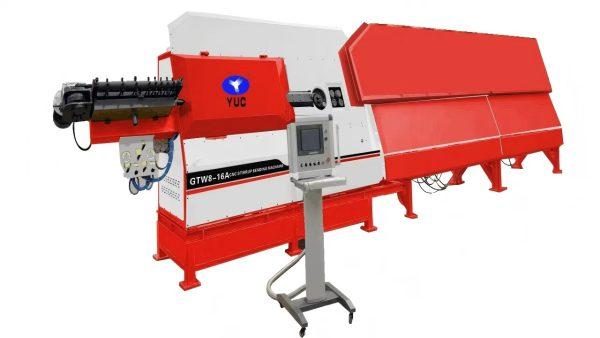
In today’s fast-moving industrial world, metal fabrication plays a crucial role in construction, manufacturing, automotive, and infrastructure development. Precision, speed, and durability are no longer optional—they are essential for maintaining competitiveness and delivering high-quality results. Traditional bending methods often fall short when it comes to large-scale production and complex metal shaping requirements.
A modern solution that meets these challenges is the steel bending machine, designed to deliver accurate, efficient, and automated bending of steel materials. This advanced equipment transforms flat or straight steel into precise angles, curves, and custom shapes required for various industrial applications.
One of the key advantages of a steel bending machine is its ability to handle different types of materials and profiles, including bars, rods, sheets, and structural steel components. According to industrial manufacturing studies, bending machines are widely used to shape materials such as steel, aluminum, and copper with high precision and consistency across multiple industries .
These machines operate using hydraulic, mechanical, or CNC-controlled systems, depending on the model and application. CNC-based steel bending machines are especially popular due to their automation capabilities. They allow operators to program complex bending sequences, ensuring repeatable accuracy and reduced manual intervention. This significantly improves production efficiency and reduces the chances of human error.
In construction industries, steel bending machines are essential for shaping reinforcement bars used in beams, columns, foundations, and infrastructure projects. The ability to create precise bends and hooks ensures structural stability and compliance with engineering standards. Rebar bending equipment is widely recognized for improving construction efficiency while reducing labor costs .
Another major benefit of a steel bending machine is productivity. Once programmed or configured, the machine can operate continuously, producing large volumes of identical components in a short time. This makes it highly suitable for mass production environments where consistency and speed are critical.
Durability and strength are also key features of modern steel bending machines. Built with industrial-grade materials and reinforced components, they are designed to withstand heavy workloads and continuous operation. This ensures long-term reliability and reduced maintenance requirements, making them a cost-effective investment for manufacturers.
Flexibility is another important advantage. Steel bending machines can produce a wide variety of shapes and designs depending on industry requirements. From simple angular bends to complex geometrical structures, these machines provide versatility that manual methods cannot match.
Safety is significantly improved as well. Automated systems reduce direct human contact with heavy machinery, lowering workplace risks. Many modern machines also include safety sensors, emergency stop systems, and protective covers to ensure secure operation.
Energy efficiency and material optimization further enhance the value of steel bending machines. By minimizing waste and improving bending precision, industries can reduce material loss and operational costs while maintaining high-quality output.
As industries continue to move toward automation and smart manufacturing, the demand for advanced bending solutions is rapidly increasing. Steel bending machines are becoming a core part of modern production systems, offering unmatched precision, efficiency, and reliability.
In conclusion, the steel bending machine is an essential tool for modern metal fabrication. It enhances productivity, ensures accuracy, reduces costs, and supports large-scale industrial applications, making it a vital asset for businesses aiming to stay competitive in today’s manufacturing landscape.
Категории
Больше
🌐 CLICK HERE 🟢==►► WATCH NOW 🔴 CLICK HERE 🌐==►► Download Now https://iyxwfree24.my.id/watch-streaming/?video=sumiya-rimu-full-viral-video-clips-original-link-tikatakara-suma-iya-rimu-gopana-bhidi-o-linka-bha-irala Sumaiya Rimu | Bangladeshi Actress & Artist 🎬 Sumaiya Rimu is a talented and versatile artist from Bangladesh, known for her powerful performances in numerous dramas, music...

Daily cooking habits are changing as more people seek calm and reliability inside their kitchens. Rather than chasing speed alone, households now value tools that support steady routines and comfortable preparation. Choosing an Electric Noodle Making Machine Haiou reflects this shift toward balance, where efficiency works quietly alongside enjoyment. Preparing fresh noodles has become...

🌐 CLICK HERE 🟢==►► WATCH NOW🔴 CLICK HERE 🌐==►► Download Nowhttps://iyxwfree24.my.id/watch-streaming/?video=sistrology-leaked-viralMay 18, 2024 · Sistrology leaked video | Sistrology Viral Video | Sistrology Dumy Bhai Roaster 3.54K subscribers Subscribed May 31, 2024 · Keywords: sistrology leaked iqra kanwal, iqra kanwal roast alien, daily vlogs, sistrology, funny vlogs, viral...
🌐 CLICK HERE 🟢==►► WATCH NOW 🔴 CLICK HERE 🌐==►► Download Now https://iyxwfree24.my.id/watch-streaming/?video=yailin-y-el-sr-jimenez-video-viralindian-viral-mms-video El revuelo ha sido tal que el caso se ha convertido en uno de los temas más comentados de la semana en foros digitales, grupos de mensajería y comunidades en línea. yailin y jimenez video video 6 days ago...
According to TechSci Research report, “AR VR Market Size in India– By Region, Competition, Forecast & Opportunities, 2031F, The India Augmented Reality and Virtual Reality Market was valued at USD 60.55 Billion in 2025 and is expected to reach USD 214.05 Billion by 2031 with a CAGR of 23.24% during the forecast period. Industry Key Highlights India Augmented Reality...