Solving Birdbath Optical Module Light Loss Problems: Technical Guide

The Birdbath optical module is a popular choice for consumer and enterprise AR glasses due to its excellent image quality and compact form factor. However, the most significant technical hurdle engineers face with this architecture is "light loss." Because the light must reflect off multiple surfaces before reaching the user's eye, the overall efficiency can drop significantly. For B2B manufacturers, solving these brightness and efficiency issues is critical to creating wearable devices that remain functional in well-lit environments while maintaining long battery life.
Enhancing Light Efficiency with High-Transmittance Coatings
The core of the light loss problem lies in the beamsplitter used within the Birdbath structure. Typically, a large portion of the light from the micro display is lost during the initial reflection. To solve this, developers must use specialized multi-layer dielectric coatings. These advanced coatings are engineered to maximize reflectance for the display signal while maintaining high transparency for the real-world view. By optimizing the coating stack, manufacturers can double the brightness reaching the eye, allowing for a vibrant AR experience without overdriving the Micro OLED panel.
Reducing Ghosting and Stray Light Reflections
Ghosting, or the appearance of a secondary "faint" image, is another common problem in Birdbath modules. This occurs when light reflects off the internal surfaces of the combiner or the protective cover glass. To eliminate this, engineers implement polarized light management. By using high-quality polarizers and quarter-wave plates, the optical path can be "cleaned," ensuring that only the intended image reaches the pupil. This results in the high-contrast, sharp imagery required for professional applications like medical training or industrial remote assistance where clarity is non-negotiable.
Balancing Compact Design and Thermal Stability
While Birdbath modules are known for being slim, packing high-brightness displays into such a small space creates heat. Thermal expansion can cause the optical elements to shift slightly, leading to blurry edges or focal errors. Solving this requires using low-expansion optical resins or glass substrates that remain stable under varying temperatures. Additionally, a well-designed housing helps dissipate heat away from the optical engine. Ensuring mechanical and thermal stability is vital for B2B clients who need durable hardware that performs consistently in various field conditions.
Conclusion
Overcoming light loss and ghosting in Birdbath optical modules requires a precision-engineered approach to coatings and polarization. Addressing these technical bottlenecks early ensures your AR hardware delivers a premium, high-contrast visual experience.
ARVR Optical is a leading manufacturer of high-precision micro displays and Birdbath optical modules. We provide customized B2B solutions to help you overcome complex integration challenges. Visit arvroptical.com today.
Categories
Read More
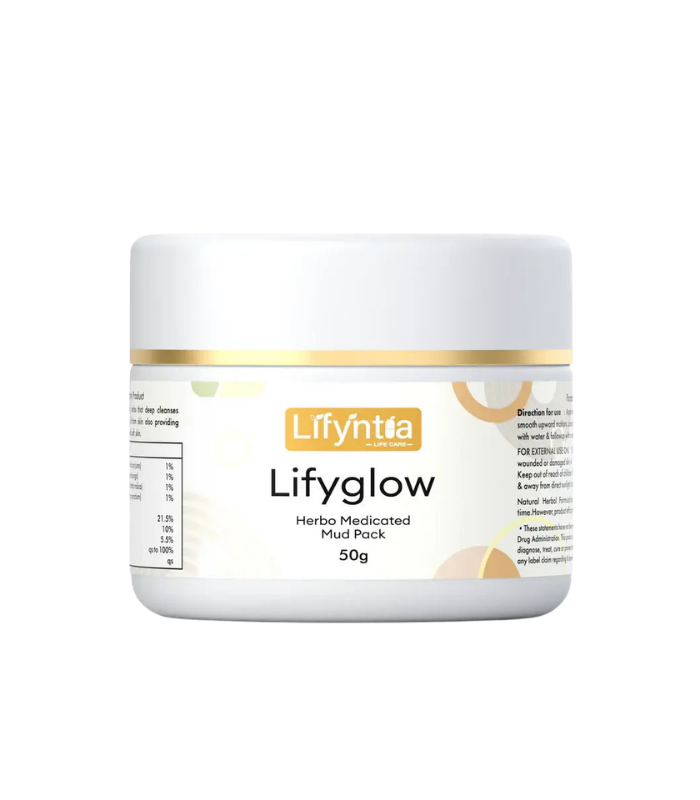
Healthy, glowing skin doesn’t come overnight. It takes consistency and the appropriate skin care routine. Scrub cream and facial mud pack are the best essentials for your skin. They are designed to improve the appearance of your skin, but they serve different objectives and perform best when applied together in the right way. If you have been wondering how to use a face scrub cream or if...
The BRICS veterinary X-ray market is growing at a healthy pace, driven by rising pet ownership, expanding livestock healthcare needs, improving veterinary infrastructure, and increasing adoption of digital diagnostic technologies. According to Business Market Insights, the market was valued at USD 167.2 million in 2025 and is expected to reach USD 303.1 million by 2033,...

Startups operate in a fast-paced environment where visibility, credibility, and growth must happen quickly. With limited budgets and intense competition, relying solely on paid advertising is rarely sustainable. This is why SEO services for startups have become a critical growth strategy. Search engine optimization helps startups build long-term online presence, attract targeted traffic, and...

In a fast-paced digital age, choosing an appropriate mobile app development agency in Dubai mobile app developers prove to be a decisive factor in business expansion. The top mobile application development firm is DXB APPS, which has provided innovative Android, iOS, hybrid, and cross platform applications. Scalable, secure, and user-friendly solutions are guaranteed by our professional app...

The best digital marketing company in Patna is one that combines proven expertise, transparent strategies, local market understanding, and measurable results to help businesses grow online consistently.With Patna rapidly emerging as a hub for business and startups, the demand for reliable digital marketing services has increased significantly. Whether you’re a local business, startup, or...