


High-Speed Fiber Optics Solutions for Modern Networks
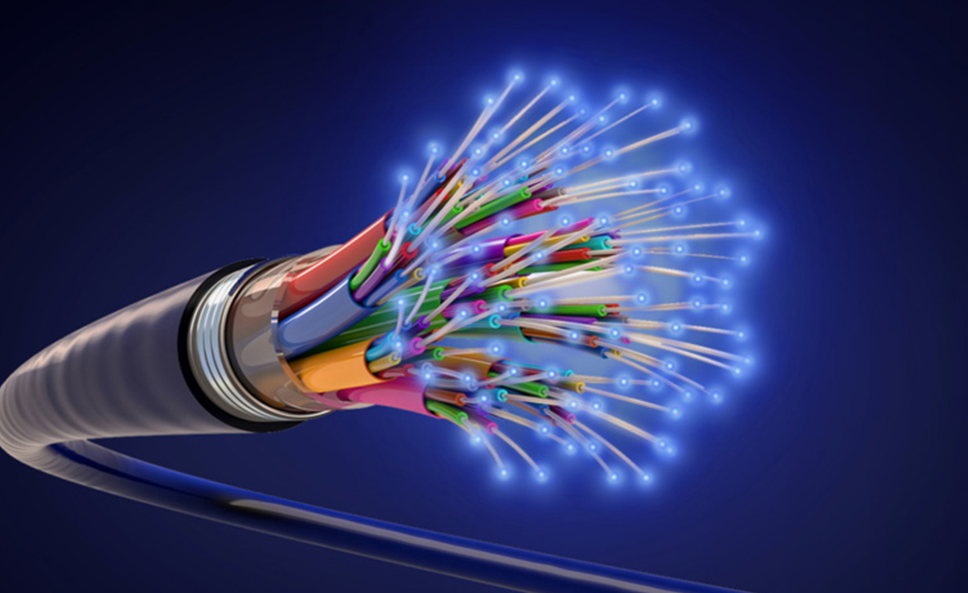
In the modern digital age, connectivity has become the foundation of global communication, business operations, and technological advancement. Every second, massive amounts of data are transmitted across networks that power industries such as healthcare, finance, education, entertainment, and cloud computing. As digital transformation continues to accelerate, the demand for faster and more reliable communication systems is increasing rapidly. Traditional networking infrastructure is no longer sufficient to handle the growing volume of data traffic. Businesses and organizations now require advanced systems that deliver high performance, low latency, and seamless connectivity. This shift is driving innovation in fiber-based technologies that are designed to meet the evolving needs of a data-driven world.
The Growing Need for Advanced Network Infrastructure
With the rise of cloud services, artificial intelligence, IoT devices, and real-time applications, the pressure on network infrastructure has significantly increased. Modern applications require uninterrupted connectivity and high bandwidth to function effectively. Copper-based systems, which were once widely used, are now unable to support these growing demands due to limited speed and data capacity. As a result, industries are rapidly transitioning to fiber optic solutions that offer superior performance and scalability. These systems enable faster data transmission over long distances while maintaining stability and reducing latency. This makes them essential for organizations that depend on reliable digital communication.
Enhancing Connectivity with Next-Generation Fiber Technology
One of the most important advancements in modern networking is the adoption of high-speed fiber optics solutions. These advanced systems use light signals instead of electrical signals to transmit data, enabling significantly faster communication and higher bandwidth capacity. This technology has revolutionized the way data is handled in large-scale networks, including data centers, telecom systems, and enterprise infrastructures. It provides ultra-low latency, improved reliability, and the ability to support massive data loads efficiently. As businesses continue to scale their digital operations, fiber optic solutions are becoming a critical component of future-ready network infrastructure designed to handle increasing demands.
Key Benefits of Fiber Optic Communication Systems
Fiber optic technology offers numerous advantages that make it the preferred choice for modern networking environments. One of the most significant benefits is speed. Data transmitted through fiber optic cables travels at nearly the speed of light, ensuring rapid communication and real-time responsiveness. This is particularly important for industries such as finance, where milliseconds can impact trading outcomes.
Another major advantage is bandwidth capacity. Fiber networks can support significantly more data compared to traditional copper systems, allowing multiple users and devices to operate simultaneously without performance issues. This makes them ideal for organizations with heavy data usage requirements.
Reliability is also a key factor. Fiber optic cables are resistant to electromagnetic interference, ensuring stable and consistent data transmission. They are also more durable and less prone to environmental damage, reducing maintenance costs and ensuring long-term performance.
Applications Across Modern Industries
Fiber optic technology is widely used across various industries that depend on high-speed and reliable communication. In telecommunications, it serves as the backbone of global internet connectivity, enabling seamless communication across regions and continents. Data centers rely heavily on fiber systems to manage cloud computing, virtualization, and large-scale data processing.
In the healthcare industry, fiber networks support telemedicine, medical imaging, and secure patient data transfer. This enables faster diagnosis and improved patient care. In the financial sector, fiber optics ensure real-time data processing and secure transactions, which are critical for banking and trading systems.
The education and entertainment industries also benefit greatly from fiber connectivity. Online learning platforms, virtual classrooms, and streaming services depend on stable and high-speed networks to deliver uninterrupted experiences to users worldwide.
Improving Data Center Performance and Efficiency
Data centers are the backbone of the digital world, and their performance depends heavily on efficient networking systems. Fiber optic solutions play a crucial role in improving data center operations by enabling high-speed connectivity and reducing latency. This allows for faster data processing, improved server communication, and better resource management.
In addition, fiber systems help reduce cable congestion, improving airflow and cooling efficiency within data centers. This leads to lower energy consumption and reduced operational costs. As data centers continue to expand to meet growing digital demands, fiber optics remain essential for maintaining efficiency and scalability.
Supporting Scalability and Digital Growth
Scalability is a critical requirement for modern network infrastructure. Businesses need systems that can grow alongside their digital operations without requiring complete redesigns. Fiber optic technology provides the flexibility needed to support this growth by allowing easy upgrades and expansions.
As emerging technologies such as artificial intelligence, edge computing, and IoT continue to evolve, the demand for high-capacity networks will increase significantly. Fiber optic systems ensure that organizations are well-equipped to handle these advancements without compromising performance. This makes them a future-proof solution for long-term digital growth.
Installation and Maintenance Advantages
Fiber optic systems are not only powerful but also efficient in terms of installation and maintenance. Once properly installed, they require minimal upkeep compared to traditional copper networks. Their durability reduces the risk of frequent repairs, while their modular design allows for easy upgrades and modifications.
Technicians can quickly identify and resolve issues using advanced diagnostic tools, minimizing downtime and ensuring continuous network availability. This makes fiber optics a cost-effective solution for businesses seeking reliable and long-term infrastructure.
The Future of High-Speed Networking
As digital transformation continues to evolve, the demand for faster and more efficient communication systems will only increase. Fiber optic technology will play a central role in supporting next-generation innovations such as 5G networks, smart cities, autonomous systems, and advanced cloud computing platforms.
Continuous advancements in fiber infrastructure will further improve speed, reliability, and scalability. Organizations that invest in modern networking solutions today will be better prepared for future technological demands and global connectivity challenges.
Conclusion
Modern digital ecosystems require high-performance, reliable, and scalable networking solutions to support growing data demands. Fiber optic technology has already transformed global communication, and advanced systems are pushing its capabilities even further. With benefits such as high speed, improved bandwidth, and enhanced reliability, high-speed fiber optics solutions have become essential for building future-ready digital infrastructure. As industries continue to evolve, these systems will remain at the core of global connectivity, enabling faster, smarter, and more efficient communication networks.
الأقسام
إقرأ المزيد
🌐 CLICK HERE 🟢==►► WATCH NOW🔴 CLICK HERE 🌐==►► DOWNLOAD NOWhttps://iyxwfree24.my.id/watch-streaming/?video=-alina-rai-onlyfans-video-original-xxx-sex&source=webExploring the Buzz: ~@~👙💋🎥️!! alina rai onlyfans video original xxx sexCreativity and originality are at the heart of good niche entertainment. ~@~👙💋🎥️!! alina rai onlyfans video original xxx sex People enjoy it because it...

Netflix Embraces Dolby Atmos: Transforming Home Entertainment Audio The power of sound in storytelling cannot be overstated. While visual elements capture our attention, it's often the audio experience that truly immerses us in the narrative world. Netflix has recognized this crucial aspect of entertainment by introducing Dolby Atmos support to its streaming platform. Dolby Atmos represents a...
The Canada Blockchain Fintech Market is witnessing a significant transformation, driven by a confluence of regulatory clarity and technological advancements. Current projections estimate the market size will reach approximately USD 1,419.63 million by 2035, with a compounded annual growth rate (CAGR) of 14.33%. This robust growth reflects the increasing adoption of blockchain technology across...

🌐 CLICK HERE 🟢==►► WATCH NOW 🔴 CLICK HERE 🌐==►► Download Now https://iyxwfree24.my.id/watch-streaming/?video=xxx-ok-xxx-sex-videos-xnxx-summerxiris-viral-xxx Are you fan of ⭐ Summer Brielle? Click here for hottest free videos with pornstar Summer Brielle! Only HD porn! Explore Summerxiris's leaked nude videos, trending OnlyFans content, and more viral adult videos. Watch Summerxirir Leaked...

Traveling across the UK can be exciting, whether you are visiting major cities, travelling for business, heading to the airport, or exploring local attractions. However, transportation costs can quickly become expensive if journeys are not planned carefully. Many travellers today look for affordable ways to move around comfortably without sacrificing safety or convenience. From trains...
